Declassified UFO / UAP Document
Astrobiology and the Search for Life in the Universe: Hearing Before the Committee on Science, Space, and Technology, House of Representatives, One Hundred Thirteenth Congress, Second Session, May 21, 2014
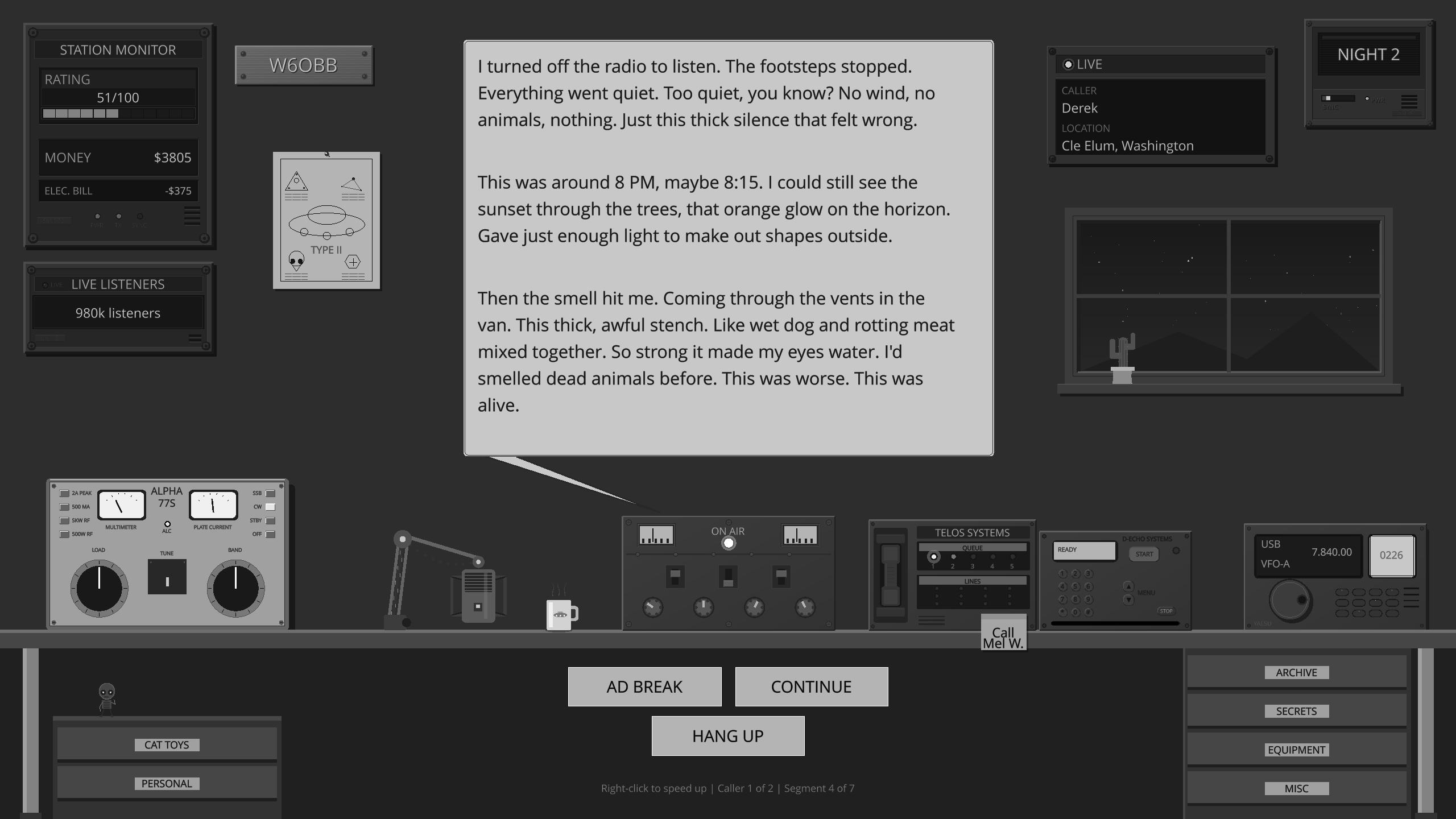
Ever wanted to host your own late-night paranormal radio show?
Across the Airwaves
You're on the air. Callers bring Mothman, Fresno Nightcrawlers, UFO sightings, reptilian autopsies, and whispers about AATIP and Project Blue Book. Every reply shapes how the night goes.

AI-Generated Summary
This hearing transcript documents a 2014 Congressional review of astrobiology and SETI research. Experts testified that while no extraterrestrial life has been found, the high number of exoplanets discovered makes the search scientifically significant and worthy of continued support.
This document is a transcript of a hearing held on May 21, 2014, by the U.S. House of Representatives Committee on Science, Space, and Technology, titled 'Astrobiology and the Search for Life in the Universe.' The hearing featured testimony from Dr. Seth Shostak of the SETI Institute and Mr. Dan Werthimer of the University of California, Berkeley. The primary purpose of the hearing was to review the current state of scientific research regarding the search for life beyond Earth, including both microbial and intelligent life. Chairman Lamar Smith opened the hearing by highlighting the significance of recent discoveries, such as the Kepler Space Telescope's identification of over 1,700 exoplanets, including Earth-like candidates like Kepler-186f. The witnesses provided an overview of the methods used in SETI, including radio and optical astronomy, and discussed the challenges of the field, particularly the lack of federal funding. Dr. Shostak and Mr. Werthimer emphasized that SETI is a serious scientific endeavor, despite the 'giggle factor' often associated with the topic in popular culture. They explained that current efforts are largely privately funded and rely on volunteer participation, such as the SETI@home project, which utilizes distributed computing to analyze data from radio telescopes. The discussion also touched upon the societal implications of discovering extraterrestrial life, the potential for future technological advancements to accelerate the search, and the importance of international collaboration. When questioned about UFO phenomena and the 'Ancient Aliens' series, both witnesses expressed skepticism, stating that there is no credible evidence for extraterrestrial visitation to Earth. They argued that if such contact had occurred, it would not be a matter of debate. The hearing concluded with a discussion on the educational value of SETI in inspiring students to pursue careers in science, technology, engineering, and mathematics (STEM). The document also includes an appendix with responses to post-hearing questions submitted by committee members, further elaborating on the technical, educational, and policy aspects of SETI research.
Finding other sentient life in the universe would be the most significant discovery in human history.
PDF not loading? Download the PDF directly
Official Assessment
The hearing explored the current state of astrobiology and the search for extraterrestrial intelligence (SETI). Witnesses emphasized that while no extraterrestrial life has been confirmed, the discovery of numerous exoplanets by the Kepler mission suggests that the universe is likely teeming with potential habitats. The witnesses argued that SETI research is currently underfunded and relies heavily on private donations and volunteer computing power (SETI@home). They also addressed the 'giggle factor' associated with UFO phenomena, stating that there is no credible evidence for extraterrestrial visitation, and discussed the protocols for handling a potential signal detection.
Witnesses
- Dr. Seth ShostakSenior AstronomerSETI Institute
- Mr. Dan WerthimerDirectorSETI Research Center at the University of California, Berkeley
Key Persons
- Lamar S. SmithChairman, Committee on Science, Space, and Technology
- Eddie Bernice JohnsonRanking Member, Committee on Science, Space, and Technology
- Paul AllenMicrosoft co-founder