Declassified UFO / UAP Document
Recherche Statistique d'une Typologie Identifiée / Non-Identifiée (Note Technique No 13)
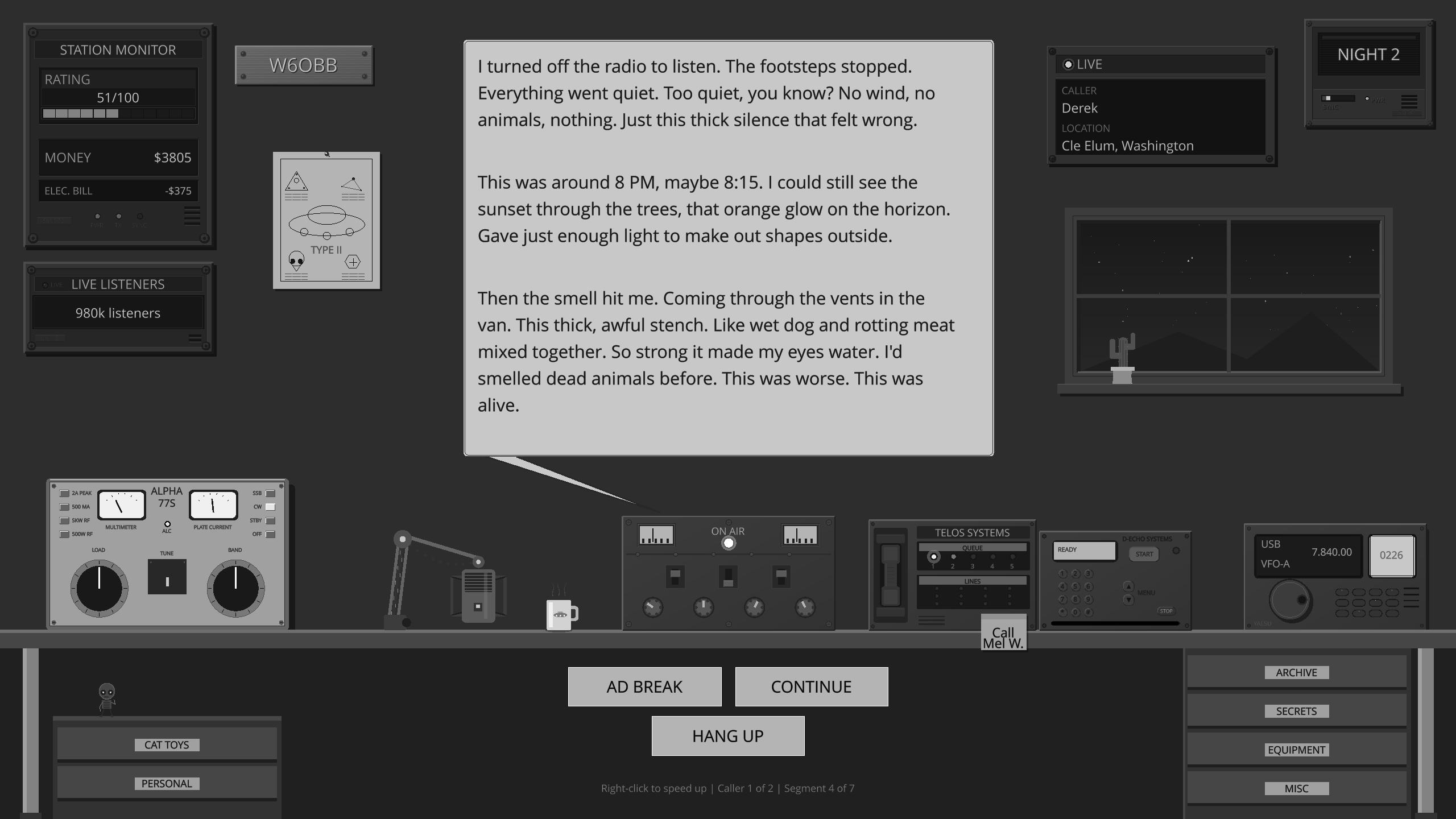
Ever wanted to host your own late-night paranormal radio show?
Across the Airwaves
You're on the air. Callers bring Mothman, Fresno Nightcrawlers, UFO sightings, reptilian autopsies, and whispers about AATIP and Project Blue Book. Every reply shapes how the night goes.

AI-Generated Summary
This 1982 GEPAN technical note provides a statistical analysis of 678 UFO reports from 1974-1978. It concludes that the data is too unreliable for a definitive typology and proposes a new probabilistic methodology for future research.
This technical note, issued by the GEPAN (Groupe d'Etude des Phénomènes Aérospatiaux Non-Identifiés) on November 26, 1982, represents the third statistical study conducted by the organization regarding Unidentified Aerospace Phenomena (PAN). The document aims to provide a statistical typology of 678 cases collected by the French Gendarmerie Nationale between 1974 and 1978. The authors, led by the GEPAN research team, acknowledge significant limitations in their data, noting that the information is heavily filtered by witness perception and that the 'non-identification' of a case is often a result of insufficient information rather than a unique phenomenon. The report details the methodology used for coding these reports, noting that previous coding systems were flawed or redundant. The study attempts to categorize cases into identified (A or B) and non-identified (D) groups. The analysis reveals that identified cases often stem from confusion with astronomical bodies (Moon, Venus, stars), natural atmospheric phenomena (lenticular clouds, reflections), or human-made artifacts (weather balloons, aircraft, flares). The report includes detailed statistical breakdowns of variables such as time of observation, location, witness demographics, and object characteristics. A significant portion of the document is dedicated to factorial analysis, which attempts to map the relationships between these variables. The authors conclude that the current data is too heterogeneous and imprecise to form a robust typology. They argue that the 'distance' variable, in particular, is highly subjective and unreliable. The document proposes a new, more rigorous strategy for future statistical studies, suggesting a probabilistic approach that accounts for the subjectivity of witness reports and the potential for error in the data collection process. The note concludes that until more reliable data collection methods are implemented, the most prudent approach is to treat each case individually rather than attempting to force them into broad, potentially misleading categories.
En l'état actuel des choses, c'est-à-dire tant qu'il reste impossible de produire une typologie fiable, le plus prudent, à l'exception des cas relevant de confusions banales (planète, rentrée atmosphérique) est de considérer chaque cas comme un cas particulier à traiter individuellement.
PDF not loading? Download the PDF directly
Official Assessment
The complexity of the subject combined with the lack of reliability of the information makes statistical studies very difficult. The classification obtained shows three main groups: confusion with atmospheric re-entries, confusion with stars or planets, and confusion with various artifacts.
Statistical analysis of 678 cases from 1974-1978 reveals that current data is heavily filtered by witness perception and lacks sufficient reliability for definitive classification. The study proposes a new probabilistic approach to better handle the subjectivity and information loss inherent in witness reports.