Declassified UFO / UAP Document
SOVIET TREATMENT OF PRESIDENT REAGAN SINCE NOVEMBER 1980
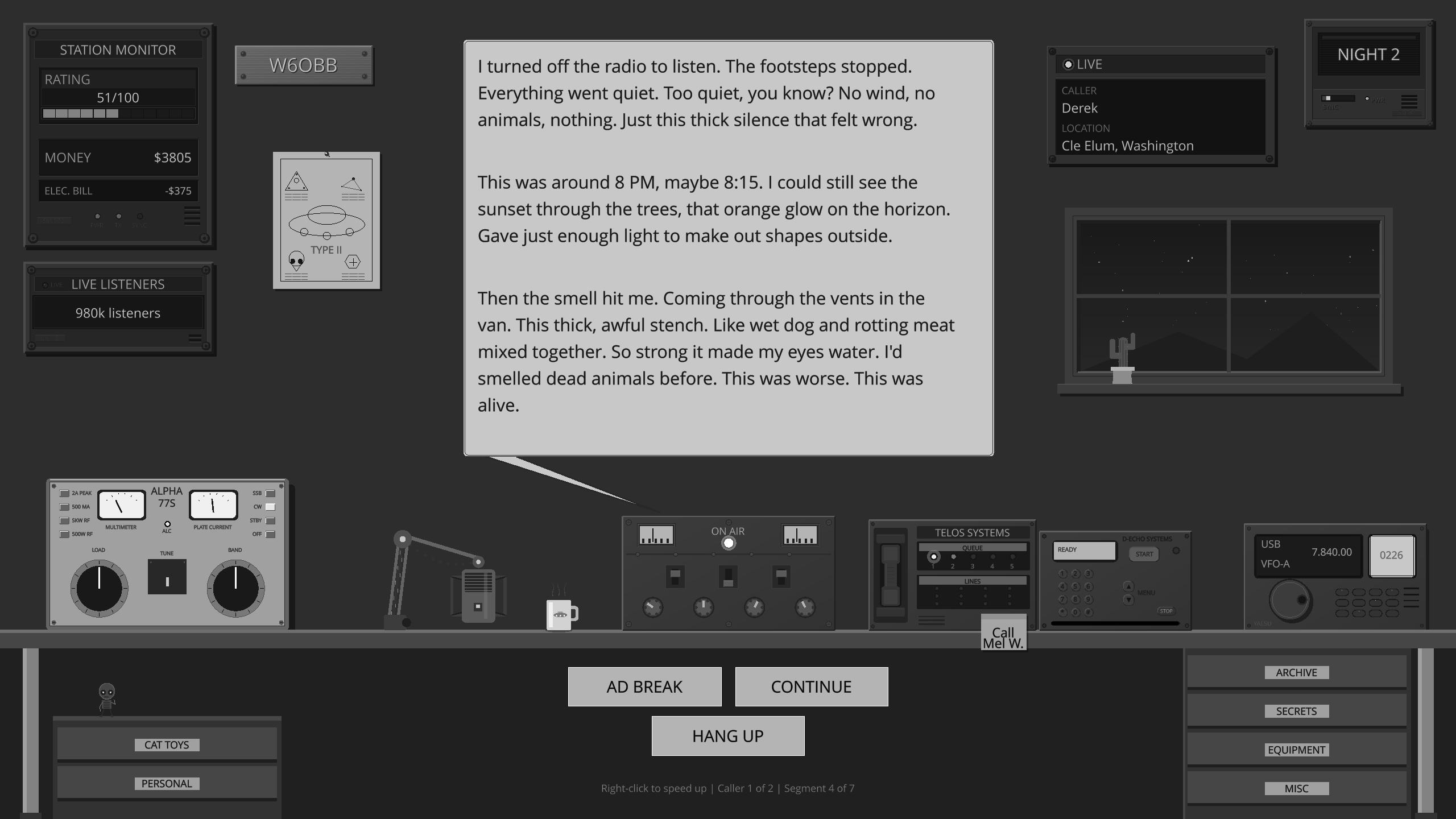
Ever wanted to host your own late-night paranormal radio show?
Across the Airwaves
You're on the air. Callers bring Mothman, Fresno Nightcrawlers, UFO sightings, reptilian autopsies, and whispers about AATIP and Project Blue Book. Every reply shapes how the night goes.

AI-Generated Summary
This document is an intelligence assessment of Soviet media and leadership rhetoric toward the Reagan administration from 1980 to 1984. It tracks the shift from initial cautious optimism to intense hostility, particularly following the 1983 Korean airliner incident.
This intelligence assessment, dated February 3, 1984, provides a detailed chronological analysis of how the Soviet Union perceived and publicly treated the administration of U.S. President Ronald Reagan between November 1980 and early 1984. The document serves as a barometer of Soviet expectations regarding U.S.-Soviet relations, noting that Soviet rhetoric was highly sensitive to the political climate in Washington.
Following Reagan's election in 1980, the Soviet leadership initially adopted a wait-and-see approach, with some media outlets suggesting a potential for improved bilateral relations. However, this optimism was short-lived. By May 1981, Soviet criticism of the administration intensified, though the leadership itself—specifically Brezhnev and later Andropov—often maintained a distinction between criticizing U.S. policy and attacking the President personally. The document highlights that this pattern of restraint was broken following the September 1983 shooting down of a Korean airliner, which triggered the most abusive Soviet rhetoric since the 1960s.
The assessment categorizes Soviet commentary into three distinct tiers: the leadership, well-connected political commentators (such as Arbatov, Bovin, Zagladin, and Shishlin), and routine media. The political commentators are identified as the most sensitive indicators of changing perceptions, often being more unrestrained in their criticism of U.S. policies, particularly regarding arms control, the INF deployments, and U.S. involvement in regional conflicts. The document also includes numerous excerpts from speeches by Soviet officials, including Tikhonov, Brezhnev, Ustinov, and Andropov, to illustrate the hardening of the Soviet stance.
Throughout the period, the Soviet Union consistently accused the U.S. of pursuing a policy of 'position of strength,' engaging in a massive arms race, and attempting to achieve military superiority. The document concludes that by early 1984, the Soviet assessment of the Reagan administration was overwhelmingly negative, viewing it as a source of increased international tension and a threat to global peace, with little expectation for a constructive summit or meaningful diplomatic breakthrough.
As THE LOS ANGELES TIMES notes, Reagan does not have an inquiring mind. Eyewitnesses invariably stress that he has more horses in his stables than books in his library. He believes in flying saucers, assiduously reads horoscopes, and believes in the actions of secret evil spirits.
PDF not loading? Download the PDF directly
Official Assessment
The document analyzes the evolution of Soviet rhetoric toward the Reagan administration, noting a shift from initial cautious optimism to strident criticism, particularly following the 1983 Korean airliner incident. It categorizes Soviet commentary into three levels: the leadership, political commentators, and routine media, noting that the leadership generally avoided direct personal attacks on the President until 1983, while commentators were more unrestrained.
Key Persons
- Ronald ReaganPresident of the United States
- Leonid BrezhnevGeneral Secretary of the CPSU
- Yuriy AndropovGeneral Secretary of the CPSU / Chairman of the KGB
- Nikolay TikhonovPremier
- Dmitriy UstinovSoviet Minister of Defense
- A. HaigU.S. Secretary of State
- Aleksandr BovinPolitical commentator
- Georgiy ArbatovDirector of the USA and Canada Institute
- Vadim ZagladinFirst deputy chief of the CPSU Central Committee International Department
- Nikolay ShishlinCPSU Central Committee official
- Viktor KulikovMarshal, First Deputy Minister of Defense
- PimenPatriarch of Moscow and all Russia