Declassified UFO / UAP Document
Unidentified Aerial Phenomena Special Overview 2021
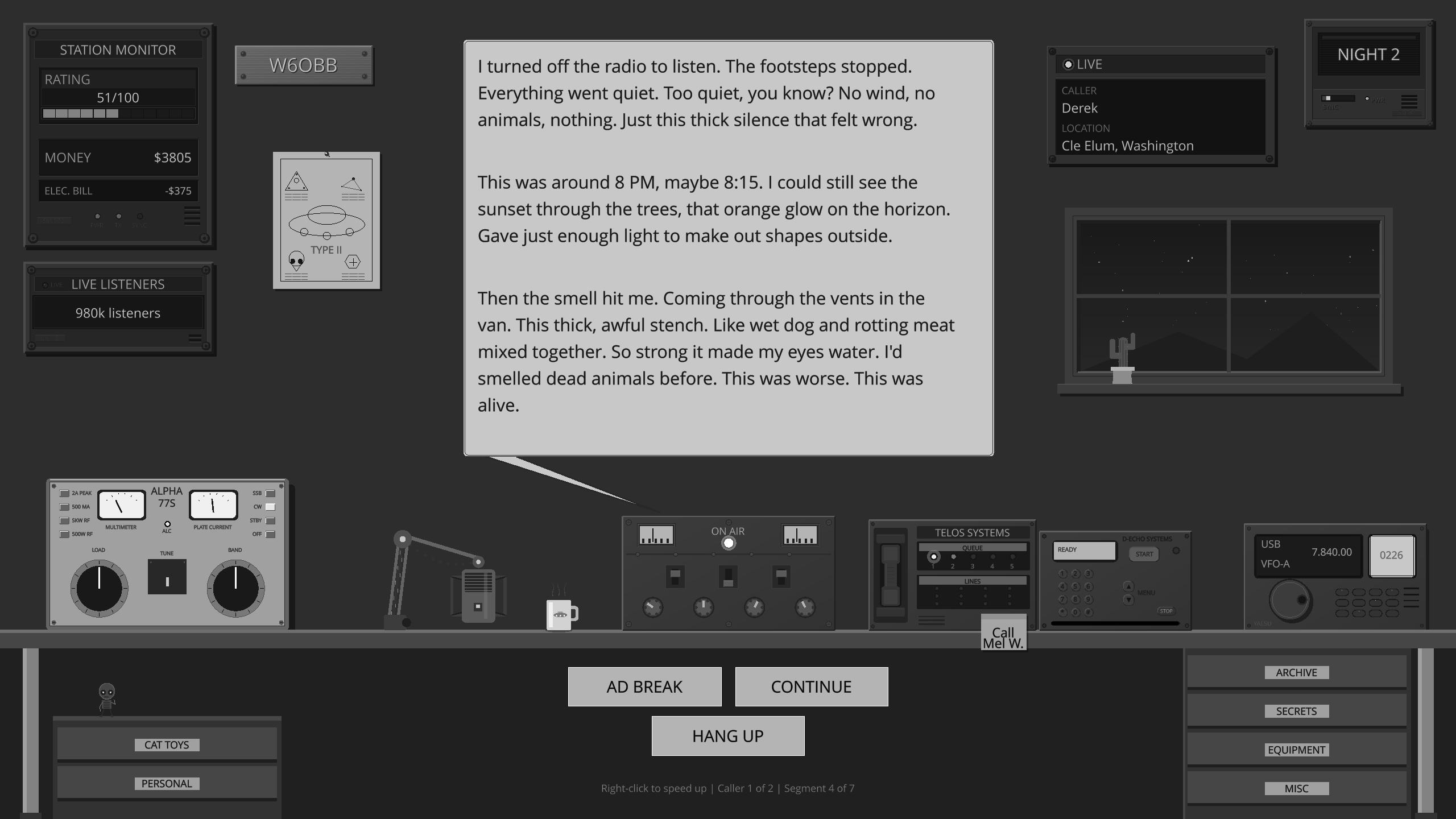
Ever wanted to host your own late-night paranormal radio show?
Across the Airwaves
You're on the air. Callers bring Mothman, Fresno Nightcrawlers, UFO sightings, reptilian autopsies, and whispers about AATIP and Project Blue Book. Every reply shapes how the night goes.

AI-Generated Summary
This document is a 2021 analytical overview of the US government's 'Preliminary Assessment: Unidentified Aerial Phenomena' report. It examines the implications of UAP recognition for national security, scientific research, and global technological development.
This document, titled 'Unidentified Aerial Phenomena Special Overview 2021,' is a case study produced by SpaceTech Analytics. It serves as an analysis of the 'Preliminary Assessment: Unidentified Aerial Phenomena' report published by the Office of the Director of National Intelligence (ODNI) on June 25, 2021. The overview contextualizes the ODNI report, which acknowledged 144 unresolved UAP-related incidents reported between 2004 and 2021. The document argues that the publication of the ODNI report marks a significant shift in the global landscape regarding UAP, moving the subject from the fringes into mainstream scientific and governmental discourse. It emphasizes that the UAP phenomenon is not unique to the United States and suggests that the official acknowledgment by the US government will trigger similar reporting and research efforts in other nations. The overview details the establishment of the Unidentified Aerial Phenomena Task Force (UAPTF) and its mission to detect, analyze, and catalog UAPs that may pose threats to US national security. It discusses the challenges of data collection, noting that current sensors are often designed for specific missions rather than UAP detection, leading to data limitations and inconsistencies. The document advocates for increased investment in research and development, specifically mentioning programs like SMART and CORE3D, and the potential for advanced technologies such as artificial intelligence and machine learning to improve data analysis. Furthermore, the document presents a risk framework, categorizing potential threats into security-driven, economic-driven, biologically-driven, and technologically-driven categories. These include risks such as false warnings of military systems, cyberattacks, stock market panic, and the diversion of resources from other critical technological advancements. The document also explores the broader context of space exploration, including SETI and METI initiatives, and the role of small satellites in future UAP monitoring. It concludes that the future of UAP research requires international collaboration, standardized reporting, and the integration of advanced DeepTech solutions to effectively address the challenges posed by these phenomena.
The “Preliminary Assessment: Unidentified Aerial Phenomena” report is a phenomena itself, which is going to become a trigger for follow-up acknowledgment of UAP in other countries besides the US.
PDF not loading? Download the PDF directly
Official Assessment
The report highlights the growing recognition of UAP, the need for standardized reporting and interdisciplinary research, and the potential national security implications of UAP sightings.
Key Persons
- Bill NelsonFormer astronaut and NASA Administrator
- Ryan GravesF/A-18 Super Hornet pilot
- Alex DietrichFormer Navy Lt. Cmdr.
- Luis ElizondoFormer head of a government-funded UFO program
- Haim EshedFormer Israeli Space Security Chief
- Donald TrumpFormer US President
- Ivan VagnerRussian astronaut
- Douglas A. VakochSETI Institute
- Lori GlazeDirector of the planetary science division at NASA Headquarters