Declassified UFO / UAP Document
Memorandum for the Director of Central Intelligence: Flying Saucers
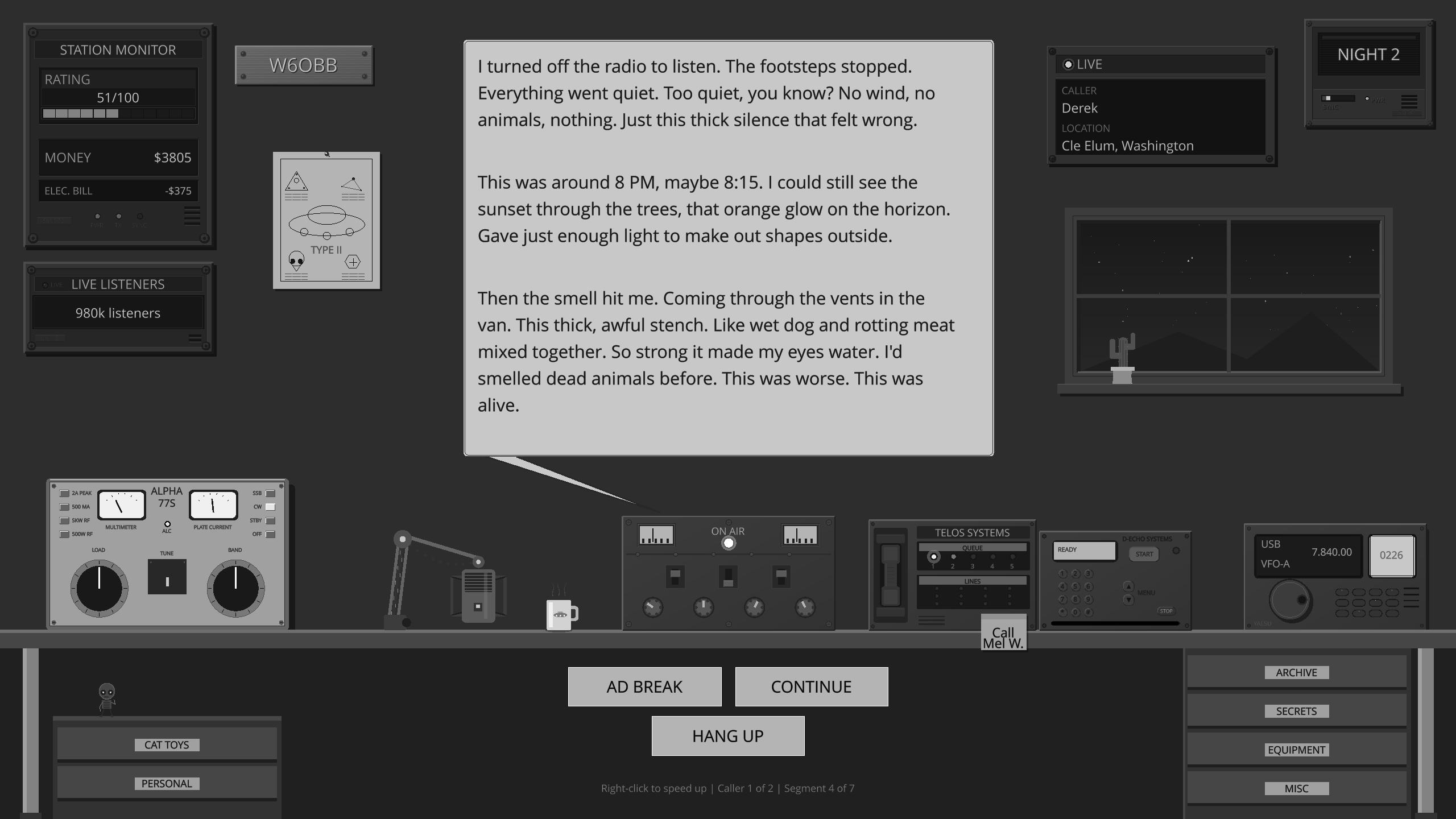
Ever wanted to host your own late-night paranormal radio show?
Across the Airwaves
You're on the air. Callers bring Mothman, Fresno Nightcrawlers, UFO sightings, reptilian autopsies, and whispers about AATIP and Project Blue Book. Every reply shapes how the night goes.

AI-Generated Summary
A 1952 CIA memorandum assessing the national security risks of UFO sightings, specifically regarding psychological warfare and air defense vulnerabilities. It recommends a coordinated national-level research effort to address these threats.
This memorandum, dated September 11, 1952, from the Assistant Director of Scientific Intelligence to the Director of Central Intelligence, addresses the national security implications of 'flying saucers.' The author notes that the Air Technical Intelligence Center (ATIC) has been the primary body investigating these sightings, having collected approximately 1,500 reports since 1947. The document highlights that the current research is conducted on a case-by-case basis, which is deemed insufficient for addressing the broader implications of the phenomenon. The assessment identifies two primary dangers: the potential for psychological warfare, where the public's susceptibility to mass hysteria could be exploited, and the risk to air defense, where unidentified sightings could lead to false alerts or the failure to identify actual enemy attacks. The author expresses concern that the current situation could be used by the Soviet Union to the detriment of U.S. interests. Consequently, the memorandum recommends that the Director of Central Intelligence seek National Security Council support to initiate a more comprehensive research program, improve identification procedures for visual and electronic phenomena, and establish a public information policy to minimize the risk of panic.
The flying saucer situation contains two elements of danger which, in a situation of international tension, have national security implications.
PDF not loading? Download the PDF directly
Official Assessment
The document concludes that the 'flying saucer' situation presents two elements of danger: psychological warfare potential (mass hysteria) and air vulnerability (false alerts or failure to identify enemy attacks). It recommends that the Director of Central Intelligence advise the National Security Council to establish a policy and research program to address these national security implications.
Key Persons
- Andre GromykoSoviet official
- Julius A. StrattonVice President of the Massachusetts Institute of Technology