Declassified UFO / UAP Document
Scientific Intelligence — General — Unidentified Flying Objects
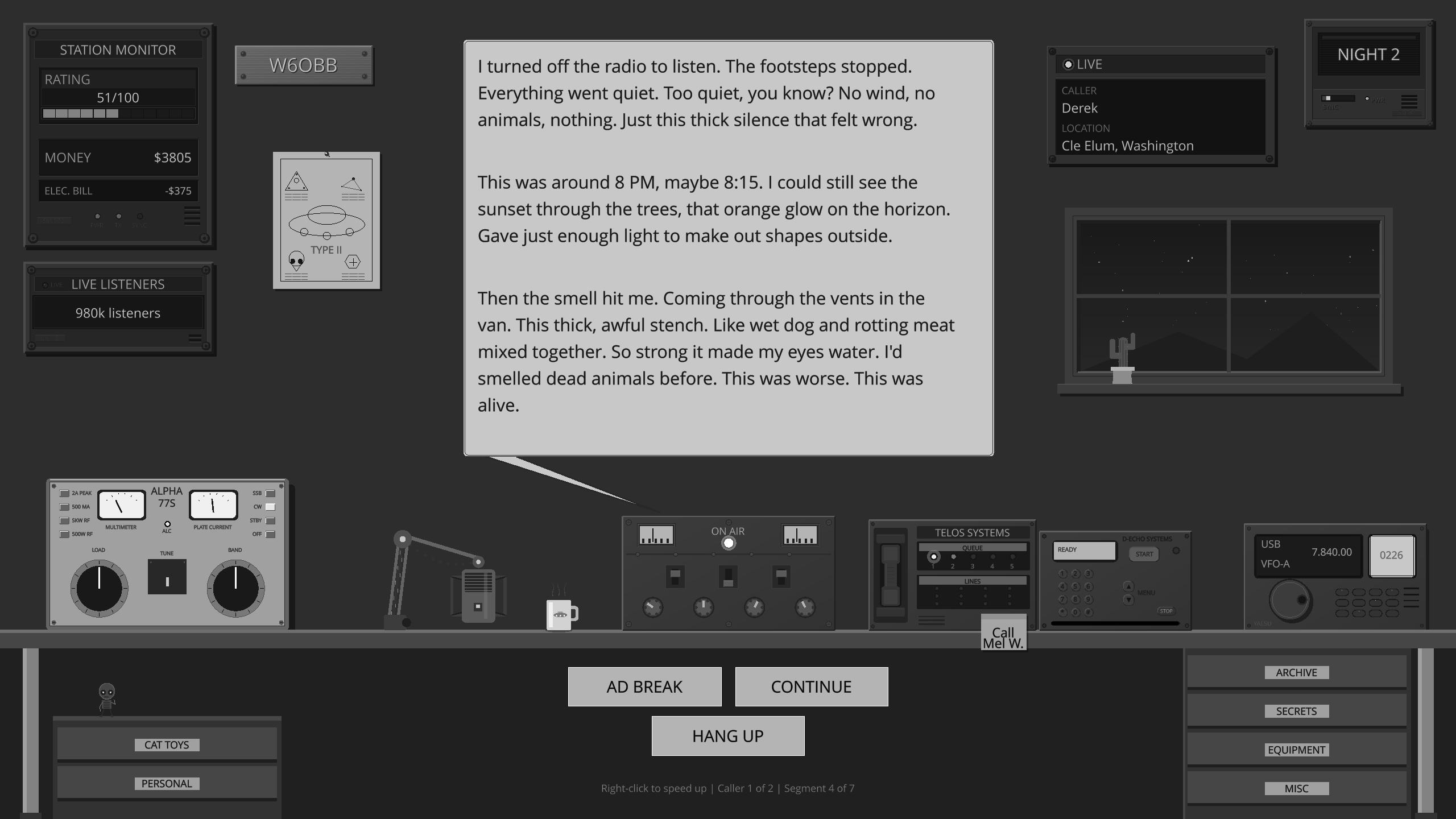
Ever wanted to host your own late-night paranormal radio show?
Across the Airwaves
You're on the air. Callers bring Mothman, Fresno Nightcrawlers, UFO sightings, reptilian autopsies, and whispers about AATIP and Project Blue Book. Every reply shapes how the night goes.

AI-Generated Summary
This file documents the Australian Department of Defence's internal deliberations on UFO policy from 1957 to 1971. It concludes that the RAAF lacked the resources for scientific analysis and that the Australian government should follow the U.S. lead in reducing efforts, as no strategic intelligence threat was identified.
This document is a collection of internal correspondence, minute papers, and reports from the Australian Department of Defence's Joint Intelligence Organization (JIO) regarding the handling of Unidentified Flying Object (UFO) reports. The file spans from 1957 to 1971 and documents the Australian government's struggle to determine an appropriate policy for investigating UFO sightings. The primary tension throughout the file is between the RAAF's Directorate of Air Force Intelligence (DAFI), which was responsible for initial reporting, and the JIO, which was asked to provide scientific intelligence analysis.
The file contains a detailed historical summary of the U.S. official attitude toward UFOs, tracing the evolution from the Air Technical Intelligence Centre (ATIC) and Project SIGN to the establishment of Project BLUE BOOK and the eventual closure of the project in 1969. The document highlights the role of the CIA and the Robertson Panel in 1953, which recommended that the U.S. government use Project BLUE BOOK to 'debunk' UFO reports to reduce public alarm and protect national security. The author of the assessment argues that the U.S. government's public stance of ridicule was a facade to cover its own research into advanced propulsion and gravity-control technologies.
For the Australian context, the documents reveal that the RAAF consistently lacked the resources and scientific expertise to conduct meaningful investigations. The RAAF admitted that its primary interest was air defence and that it viewed UFO reporting as an intrusion into its legitimate duties. The file includes several specific case reports, such as the 1958 sighting by the S.S. Woomera, which were forwarded to the JIB for assessment. By 1970, following the closure of Project BLUE BOOK, the Australian authorities moved to reduce their own efforts in investigating UFO reports, concluding that there was no strategic intelligence interest that justified the expenditure of limited resources. The final assessments in the file suggest that while some sightings remain unexplained by natural phenomena, the Australian government should not devote significant resources to the subject unless a clear strategic intelligence requirement emerges.
By erecting a facade of ridicule, the U.S. hoped to allay public alarm, reduce the possibility of the Soviet taking advantage of UFO mass sightings for either psychological or actual warfare purposes, and act as a cover for the real U.S. programme of developing vehicles that emulate UFO performances.
PDF not loading? Download the PDF directly
Official Assessment
The document suggests that UFO reports are often misidentifications, but notes that some reports remain unexplained and that the US government may have used the subject as a cover for advanced propulsion research.
The document assesses the history of US UFO investigations, noting the transition from serious intelligence interest to public debunking via Project Blue Book. It argues that Australia lacks the resources to conduct its own scientific investigation and suggests that the RAAF's current approach is merely a reflection of US public policy.
Key Persons
- Dr. J. Allen HynekScientific consultant to the USAF
- Dr. Edward U. CondonLead of the Colorado University project
- Dr. H.P. RobertsonChairman of the scientific panel
- Captain J.A.D. ForsythCaptain of S.S. Woomera