Declassified UFO / UAP Document
The Central Intelligence Agency and Overhead Reconnaissance: The U-2 and OXCART Programs, 1954-1974
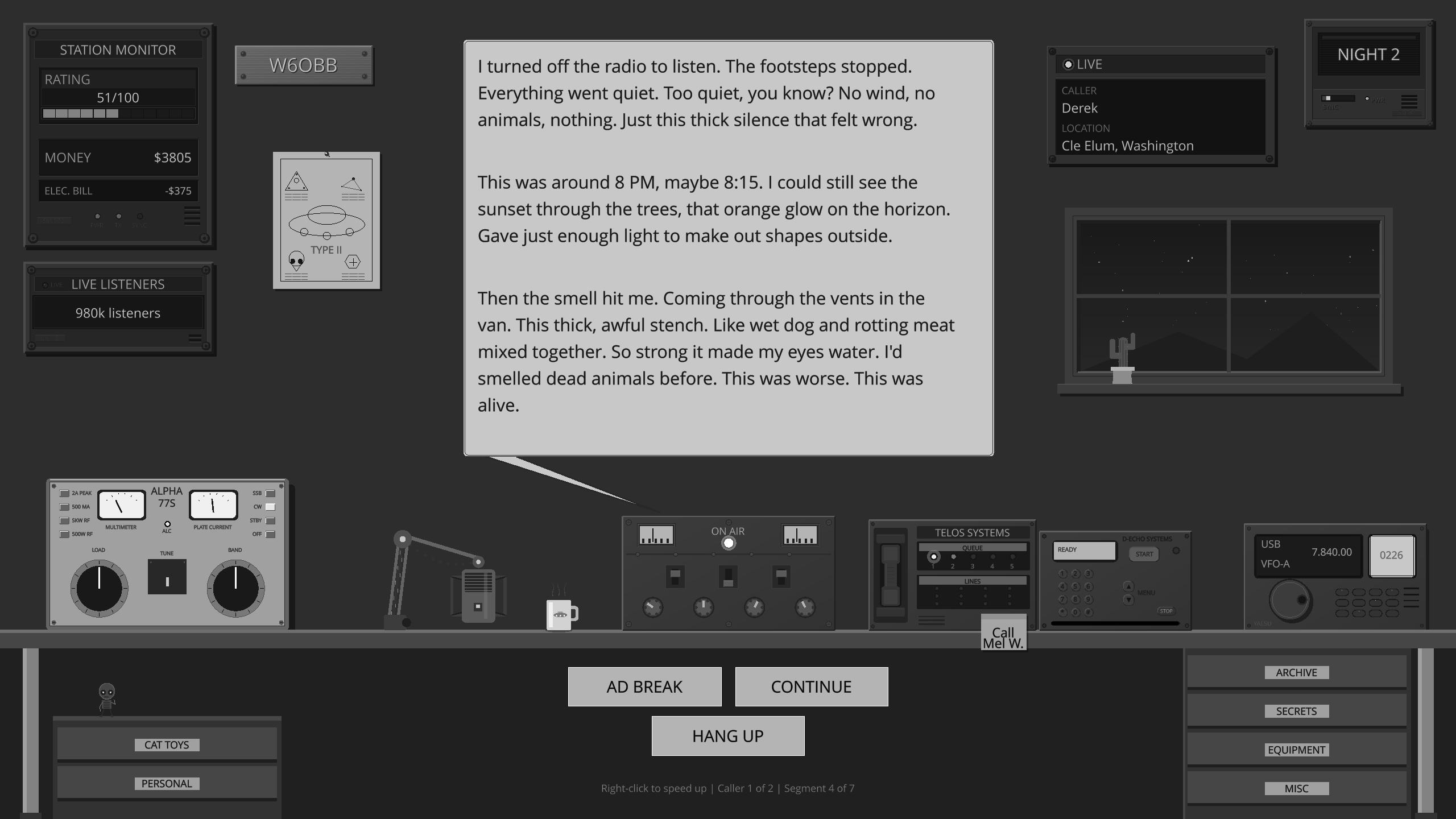
Ever wanted to host your own late-night paranormal radio show?
Across the Airwaves
You're on the air. Callers bring Mothman, Fresno Nightcrawlers, UFO sightings, reptilian autopsies, and whispers about AATIP and Project Blue Book. Every reply shapes how the night goes.
AI-Generated Summary
This document is a comprehensive history of the CIA's U-2 and A-12 OXCART manned reconnaissance programs from 1954 to 1974. It details the development, operational history, and political impact of these programs, which were pivotal in shifting the CIA toward technical intelligence collection.
This monograph provides a comprehensive history of the Central Intelligence Agency's manned overhead reconnaissance programs, specifically the U-2 and A-12 OXCART aircraft, from 1954 to 1974. The study details the bureaucratic, political, and technological evolution of these programs, which were initiated to address the critical need for strategic intelligence on the Soviet Union during the Cold War. The narrative begins with the 'searching for a system' phase, highlighting the limitations of existing aerial reconnaissance and the influence of scientific advisory groups like the BEACON HILL Study Group. The U-2 project, initially codenamed AQUATONE, was developed by Lockheed's Skunk Works under the direction of Kelly Johnson. The document covers the establishment of the project, the selection of Area 51 as a testing site, and the immense technical challenges involved in high-altitude flight, including fuel management, pilot life-support systems, and the development of high-acuity camera systems by James G. Baker. The U-2's operational history is extensively documented, including its deployment to various detachments (A, B, C, G, and H) and its use in diverse theaters, from the Soviet Bloc to the Middle East, Cuba, and Asia. The document addresses the political sensitivity of overflights, the impact of the 1960 U-2 incident involving Francis Gary Powers, and the subsequent shift in policy and procedures. The monograph also explores the development of the U-2's successor, the A-12 OXCART, a supersonic aircraft designed to operate at higher altitudes and speeds to evade detection. The competition between Lockheed and Convair, the technical hurdles of titanium construction, and the eventual operational deployment of the A-12 under Project BLACK SHIELD are detailed. The document concludes by assessing the impact of these programs on the CIA, noting that they fundamentally transformed the agency's intelligence-gathering capabilities, shifting the emphasis from human intelligence to scientific and technical collection. The legacy of these programs is described as the foundation for modern satellite reconnaissance and stealth technology.
The Agency's manned overhead reconnaissance program lasted 20 years. It began with President Eisenhower's authorization of the U-2 project in late 1954 and ended with the transfer of the remaining Agency U-2s to the Air Force in 1974.
PDF not loading? Download the PDF directly
Official Assessment
The U-2 and OXCART programs were revolutionary in providing strategic intelligence on the Soviet Union, shifting the CIA's focus toward technical means of collection. The programs faced significant challenges, including Soviet detection, political risks, and technical hurdles, but ultimately laid the foundation for modern overhead reconnaissance and stealth technology.
Key Persons
- Allen W. DullesDirector of Central Intelligence
- Richard M. Bissell, Jr.Head of overhead reconnaissance programs
- Clarence L. (Kelly) JohnsonLockheed aircraft designer
- Dwight D. EisenhowerPresident of the United States
- Francis Gary PowersCIA U-2 pilot