Declassified UFO / UAP Document
SAUCERS, SECRETS AND SHICKSHINY KNIGHTS
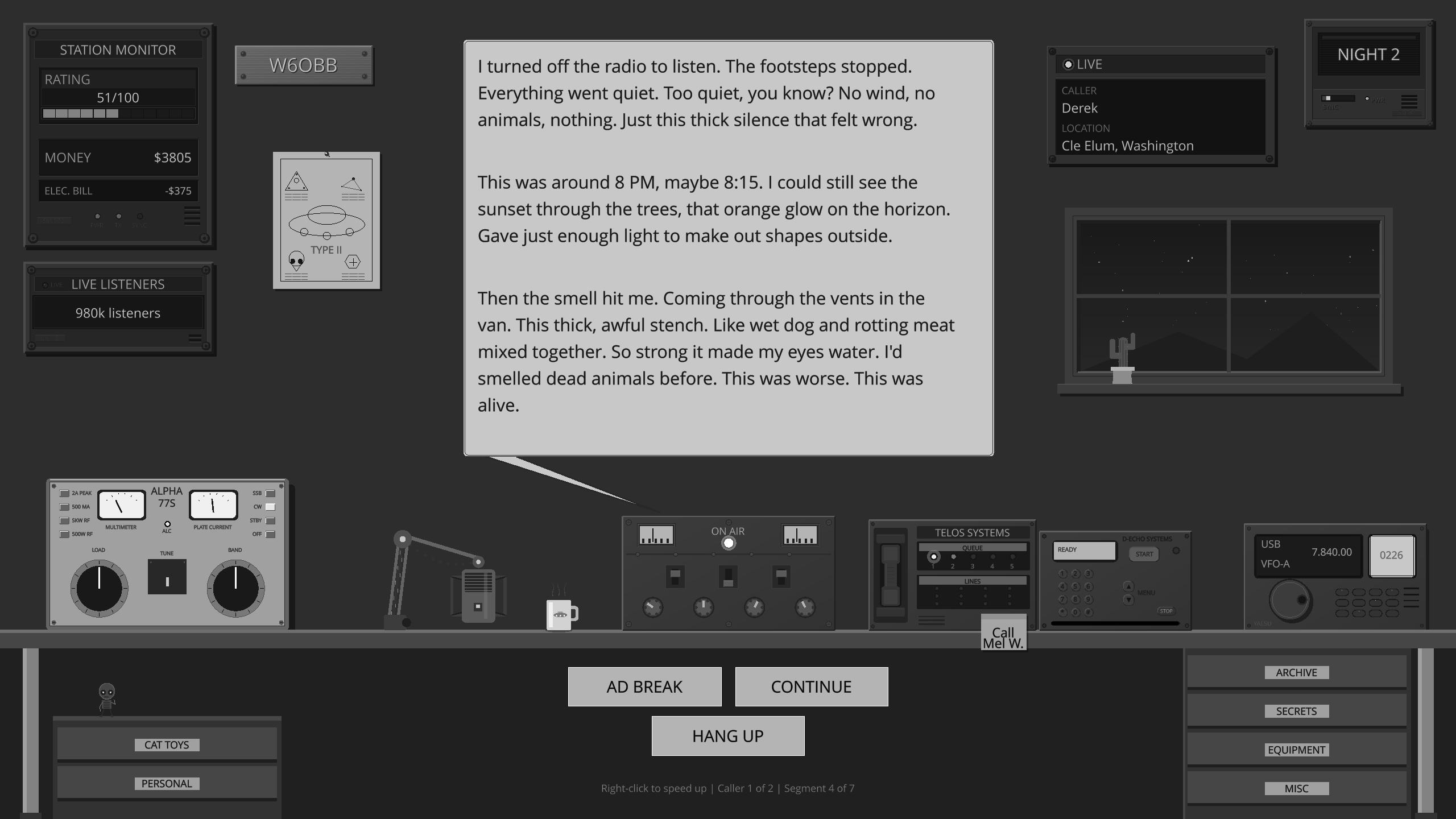
Ever wanted to host your own late-night paranormal radio show?
Across the Airwaves
You're on the air. Callers bring Mothman, Fresno Nightcrawlers, UFO sightings, reptilian autopsies, and whispers about AATIP and Project Blue Book. Every reply shapes how the night goes.
AI-Generated Summary
The article analyzes the influence of intelligence agencies on ufology, specifically critiquing Philip J. Corso's claims in 'The Day After Roswell' as potential disinformation. It links Corso to the ultra-rightist 'Shickshinny Knights of Malta' and suggests UFO narratives are used to manipulate public perception.
This article, published on GnosticWarrior.com in 2014, examines the intersection of ufology, intelligence agencies, and political extremism. The author, Moe, posits that the study of UFOs has long been influenced by intelligence agents, citing a CIA admission from the 1950s regarding a policy to debunk UFO reports to prevent public hysteria that could interfere with Cold War security. The article focuses heavily on Philip J. Corso, a retired U.S. Army colonel and co-author of 'The Day After Roswell.' The author characterizes Corso's claims—which include overseeing the handling of alien material and the development of modern technology from recovered debris—as lacking evidence and resembling science fiction. The author suggests that Corso may be a 'disinformation specialist' or a 'provocateur' whose work serves to discredit serious inquiry into UFOs. Furthermore, the article explores Corso's background, noting his membership in the 'Sovereign Order of Saint John of Jerusalem,' also known as the 'Shickshinny Knights of Malta.' This group is described as a fanatical, ultra-rightist organization with ties to figures like General Charles Willoughby and various anti-communist movements. The author argues that Corso's narrative aligns with a broader pattern of right-wing conspiracy theories that seek to alienate the public from the government and promote distrust of 'liberal' elements within the intelligence community. The article concludes by suggesting that the national security establishment may have moved beyond simple debunking to actively fomenting confusion or using UFO narratives as a 'smokescreen' for secret military developments, such as those at Area 51. By linking Corso to the militia subculture and other conspiracy-oriented groups, the author frames the modern UFO phenomenon as a tool for political manipulation rather than a genuine scientific or extraterrestrial mystery.
The “debate” is over whether or not the technology in question is derived from “alien” sources. But for those charged with running such a super-weapons lab, a prime interest is secrecy. To such cloak-and-dagger types, wild stories about UFO bases and alien bodies may be just what the spin doctor ordered.
PDF not loading? Download the PDF directly
Official Assessment
The article argues that ufology has been influenced by intelligence agents and that figures like Philip J. Corso may be using UFO narratives as a form of disinformation or to promote ultra-rightist agendas.
Key Persons
- Philip J. CorsoRetired U.S. Army colonel and author of The Day After Roswell
- Bill BirneCo-author of The Day After Roswell
- Strom ThurmondU.S. Senator (R-South Carolina)
- Gerald K. HainesHistorian
- Bob LazarSource for lore surrounding Area 51
- George KnappLas Vegas reporter
- Smedley ButlerGeneral