Declassified UFO / UAP Document
CIA's Role in the Study of UFOs, 1947-90
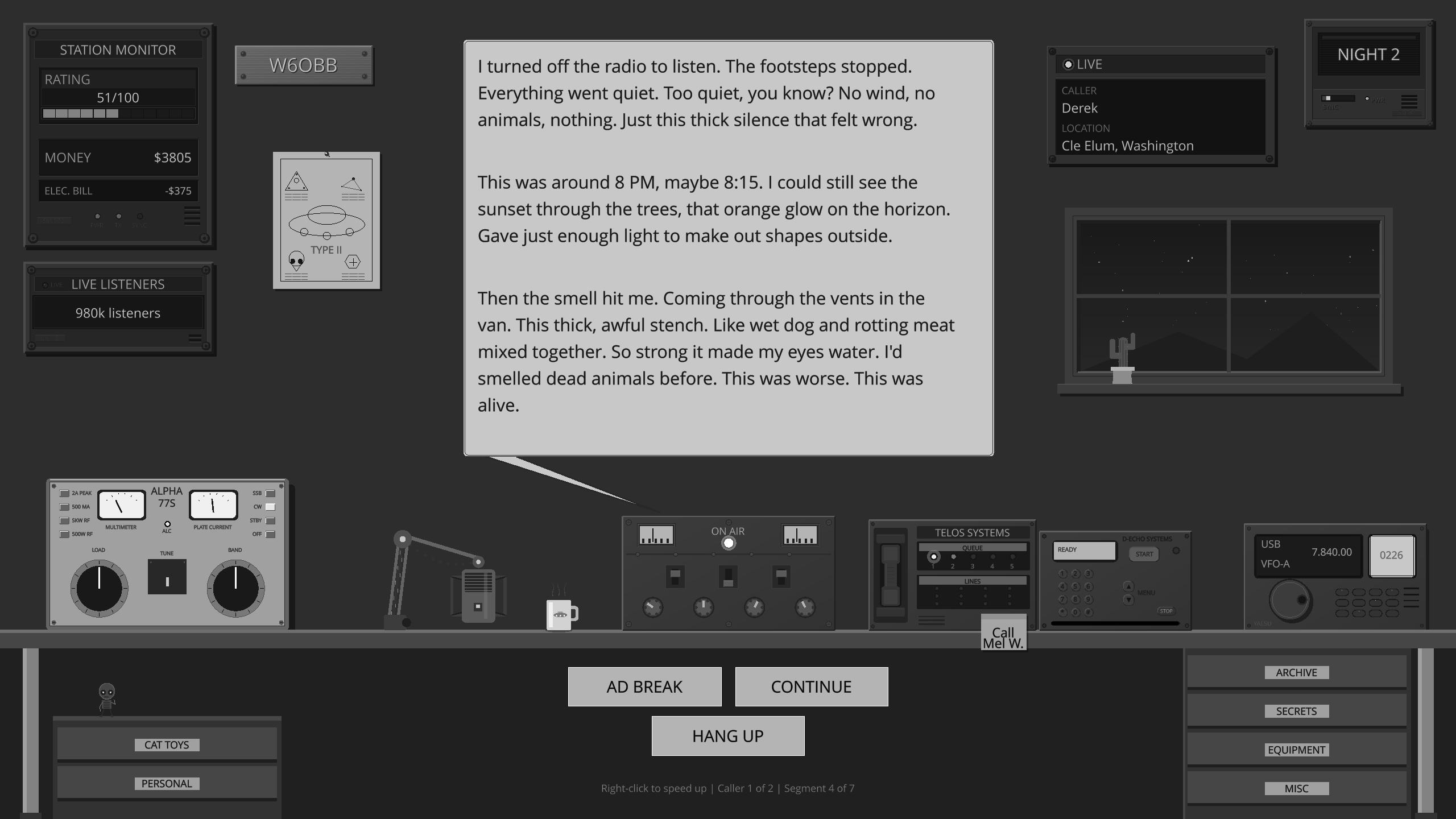
Ever wanted to host your own late-night paranormal radio show?
Across the Airwaves
You're on the air. Callers bring Mothman, Fresno Nightcrawlers, UFO sightings, reptilian autopsies, and whispers about AATIP and Project Blue Book. Every reply shapes how the night goes.
AI-Generated Summary
This document outlines the history of CIA involvement with UFOs from 1947 to 1990, highlighting that while initial interest was driven by national security concerns, it later became peripheral. It explains that many sightings were actually secret U-2 and OXCART reconnaissance flights, and the government's subsequent efforts to conceal these projects fueled long-standing conspiracy theories.
This document, authored by National Reconnaissance Office historian Gerald K. Haines, provides a historical overview of the Central Intelligence Agency's (CIA) involvement with Unidentified Flying Objects (UFOs) from 1947 to 1990. The narrative begins with the emergence of the 'flying saucer' phenomenon in 1947, following Kenneth Arnold's sighting near Mt. Rainier. The Air Force initially established Project SIGN to investigate these reports, fearing they might be Soviet secret weapons. The CIA closely monitored these efforts, concerned that UFOs could pose a national security threat, particularly regarding the potential for Soviet psychological warfare or the overloading of US air warning systems during a nuclear attack.
In 1952, a surge in sightings, including radar incidents over Washington, D.C., prompted the CIA to form a special study group. This led to the creation of the Scientific Advisory Panel on UFOs, known as the Robertson Panel, in 1953. The panel concluded that UFOs posed no direct threat to national security and recommended that the government debunk UFO reports to reduce public alarm. Following this, the CIA's interest in the subject faded, and responsibility for monitoring UFO reports was relegated to lower-level divisions.
A significant portion of the document details how the CIA's secret U-2 and OXCART reconnaissance programs contributed to the UFO phenomenon. Because these aircraft flew at altitudes far above commercial airliners, they were frequently misidentified as UFOs. To protect these sensitive national security projects, the Air Force and CIA provided misleading explanations to the public, which inadvertently fueled the growing suspicion and conspiracy theories of the 1970s. The document also covers the Agency's interactions with prominent UFOlogists like Donald Keyhoe and Leon Davidson, noting that the CIA's refusal to declassify documents and its attempts to conceal its involvement only served to increase public distrust.
Throughout the 1960s, 1970s, and 1980s, the CIA maintained a low-key interest in UFOs, occasionally reviewing reports to assess Soviet technological progress or counterintelligence concerns. The document concludes that while the Agency's direct involvement was minimal after the early 1950s, the persistent public belief in a government coverup, compared by the author to the JFK assassination conspiracy theories, ensures that the UFO issue remains a subject of intense public interest.
While Agency concern over UFOs was substantial until the early 1950s, CIA has since paid only limited and peripheral attention to the phenomena.
PDF not loading? Download the PDF directly
Official Assessment
The CIA's involvement in UFO studies was substantial until the early 1950s, primarily driven by national security concerns regarding Soviet capabilities and the potential for mass hysteria or the overloading of US air warning systems. Following the 1953 Robertson Panel, the Agency's interest became limited and peripheral. Many UFO sightings in the 1950s and 1960s were later attributed to secret U-2 and OXCART reconnaissance flights, leading the government to provide misleading explanations to the public to protect these sensitive projects, which subsequently fueled conspiracy theories.
Key Persons
- Kenneth ArnoldPrivate pilot who reported the first 'flying saucer' sighting
- Nathan TwiningAir Force General, head of the Air Technical Service Command
- R. James WoolseyDCI who ordered a review of Agency files on UFOs
- Walter Bedell SmithDCI who expressed concerns about UFOs and national security
- H. P. RobertsonPhysicist and chairman of the Scientific Advisory Panel on UFOs
- Donald KeyhoeUFOlogist and retired Marine Corps major
- Leon DavidsonChemical engineer and UFOlogist