Declassified UFO / UAP Document
Consolidated PACFLT Operational Reporting Requirements of Unmanned Aircraft System (UAS) Incidents
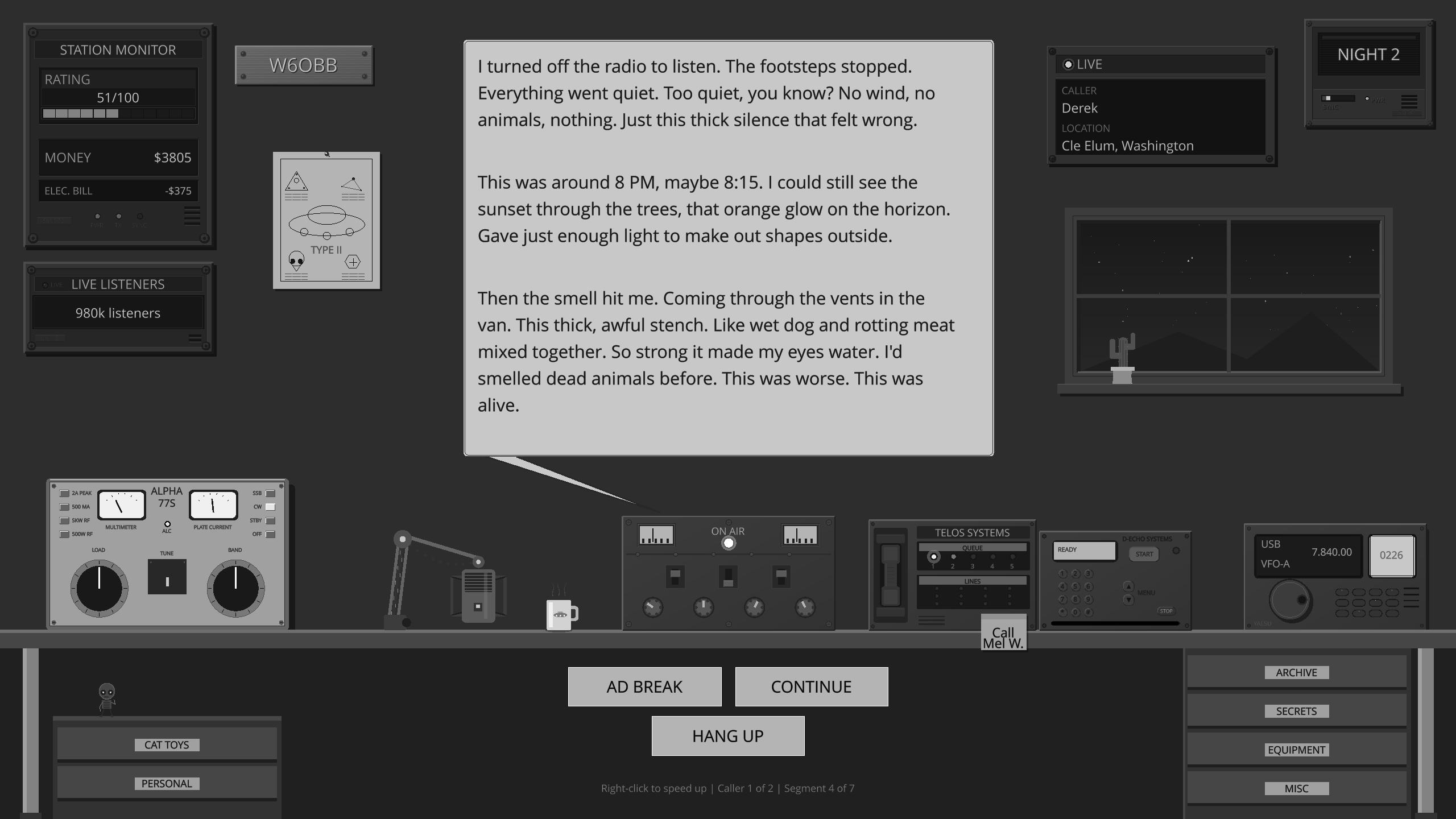
Ever wanted to host your own late-night paranormal radio show?
Across the Airwaves
You're on the air. Callers bring Mothman, Fresno Nightcrawlers, UFO sightings, reptilian autopsies, and whispers about AATIP and Project Blue Book. Every reply shapes how the night goes.

AI-Generated Summary
This document provides standardized reporting procedures for UAS incidents across the Pacific Fleet and includes a DoD checklist for C-UAS capabilities. It also contains multiple specific incident reports from 2019 detailing encounters between U.S. Navy ships and unknown UAS in the Southern California operating area.
This document is a collection of correspondence and operational guidance issued by the U.S. Navy, specifically originating from the Commander THIRD Fleet and the Commander, U.S. Pacific Fleet (COMPACFLT). The primary purpose of the compilation is to establish and consolidate reporting requirements for Unmanned Aircraft System (UAS) incidents encountered by Navy installations, facilities, and at-sea units. The guidance mandates that all confirmed small UAS (S-UAS) activity—validated via visual observation or sensor data—must be reported to ensure situational awareness and appropriate response. The document outlines specific reporting protocols, including the use of OPREP-3 categories such as 'Pinnacle,' 'Navy Blue,' and 'Navy Unit SITREP.' It also details the required format for these reports, which must include date-time groups, location data, UAS descriptions, flight details, and perceived intent. Furthermore, the document emphasizes the necessity of visual information (VI) and the creation of storyboards within 12 hours of an incident to provide detailed graphic representations for higher-level assessment. Beyond reporting procedures, the document includes a 'DoD Checklist for the Use of C-UAS Capabilities' for mobile covered assets, which provides a structured process for approving the operational use of counter-UAS systems. This checklist covers legal reviews, spectrum management, and coordination with the Federal Aviation Administration (FAA) to mitigate impacts on the National Airspace System. The document also contains several specific incident reports from 2019 involving various U.S. Navy vessels, including the USS Gabrielle Giffords, USS Paul Hamilton, USS Zumwalt, USS Harpers Ferry, USS Bunker Hill, USS Ralph Johnson, and USS Russell. These reports describe interactions with multiple unknown UAS, often characterized by consistent flight patterns, flashing lights, and hovering behavior in the vicinity of the ships. In several instances, the ships attempted to query nearby vessels to determine the origin of the UAS, but often received no response. The reports consistently note that these interactions were assessed as safe and professional, though they highlight the persistent nature of the UAS activity in the Southern California (SOCAL) operating area. The document serves as a comprehensive reference for Navy personnel on how to handle, report, and document UAS encounters, reflecting the military's increasing focus on the challenges posed by unmanned aerial systems in maritime environments.
BLUF: Sir attached is the CPF draft UAS reporting message for C3F review and comments. I have read subj message and have no issues with the content.
PDF not loading? Download the PDF directly
Official Assessment
The document establishes standardized reporting procedures for Unmanned Aircraft System (UAS) incidents across Pacific Fleet units, installations, and facilities. It mandates specific OPREP-3 reporting categories (Pinnacle, Navy Blue, Unit SITREP) and requires visual information (VI) and storyboards for incidents. It also provides a DoD checklist for the use of Counter-UAS (C-UAS) capabilities for mobile covered assets.
Key Persons
- Bobby WoodsCDR USN, Fleet Security Officer
- David Maddux OdenCAPT USN
- Robley BlandfordCTR USN USFFC