Declassified UFO / UAP Document
Project 1794 Final Development Summary Report
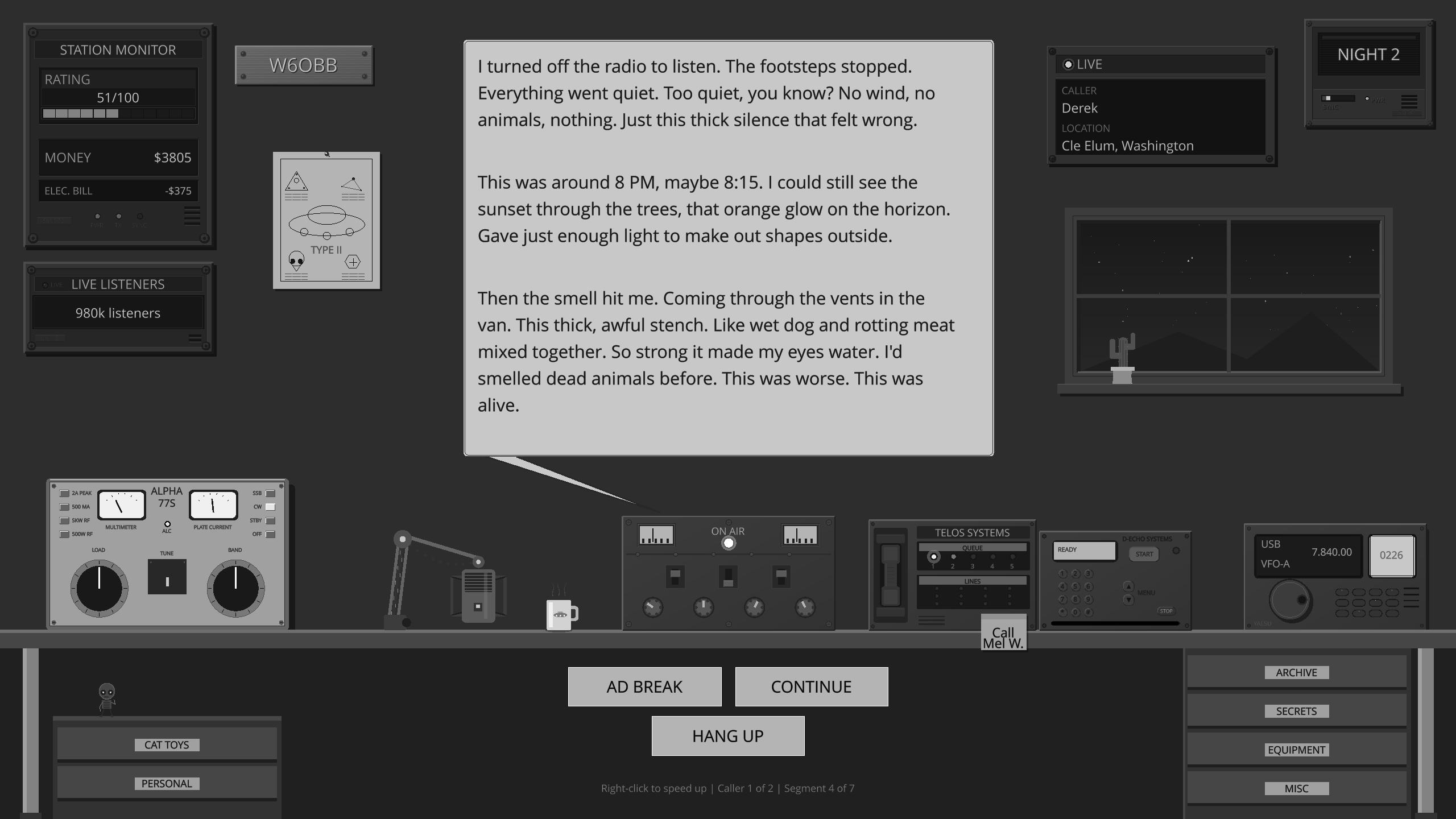
Ever wanted to host your own late-night paranormal radio show?
Across the Airwaves
You're on the air. Callers bring Mothman, Fresno Nightcrawlers, UFO sightings, reptilian autopsies, and whispers about AATIP and Project Blue Book. Every reply shapes how the night goes.

AI-Generated Summary
This report confirms the feasibility of a circular, jet-propelled VTOL aircraft (Project 1794/704) capable of Mach 3-4 speeds and altitudes over 100,000 feet. It details extensive wind tunnel testing and outlines the requirements for further development and production.
This document is the Final Development Summary Report for Project 1794, issued by Avro Aircraft Limited on June 1, 1956, under USAF Contract No. AF33(600)30161. The report covers the period from April 2, 1955, to May 31, 1956, and details the feasibility and performance potential studies for a new type of flat vertical take-off and landing (VTOL) aircraft. The project, also referred to as Project 704, describes a jet-propelled all-wing aircraft of circular planform. The design utilizes a ducted fan arrangement where propulsive jets are used for stabilization and control, eliminating the need for separate additional controls for vertical take-off and hovering. The report concludes that the proposed stabilization and control method is feasible, allowing for satisfactory handling from ground cushion take-off to supersonic flight at very high altitudes. Performance estimates indicate a top speed potential between Mach 3 and Mach 4, a ceiling exceeding 100,000 feet, and a maximum range of approximately 1,000 nautical miles. The report details extensive wind tunnel testing conducted at the Wright Air Development Centre and the Massachusetts Institute of Technology Naval Supersonic Laboratory, involving various models to evaluate subsonic and supersonic characteristics, air cushion effects, and intake/exhaust systems. The document also includes a financial statement, noting that the work under the contract is completed, and outlines a new, broader program for further development, estimated to cost $3,168,000 over 18 to 24 months. The report emphasizes that while the design is promising, additional tests are required to fully substantiate the performance, particularly regarding internal air intake flow and nozzle end losses. The report also discusses the manufacturing advantages of the design, noting that its symmetry and repetitive construction lead to economies in tooling and development time. The document concludes with a detailed cost summary and a forecast for future programs, including weapon system design studies and propulsion system analysis.
It is concluded that the stabilization and control of the aircraft in the manner proposed - the propulsive jets are used to control the aircraft - is feasible and the aircraft can be designed to have satisfactory handling through the whole flight range from ground cushion take-off to supersonic flight at very high altitude.
PDF not loading? Download the PDF directly
Official Assessment
The stabilization and control of the aircraft in the manner proposed - the propulsive jets are used to control the aircraft - is feasible and the aircraft can be designed to have satisfactory handling through the whole flight range from ground cushion take-off to supersonic flight at very high altitude.
The design is feasible, with a top speed potential between Mach 3 and Mach 4, a ceiling of over 100,000 ft., and a maximum range of about 1,000 nautical miles. Additional tests are required to substantiate performance.
Key Persons
- J. C. M. FrostChief Design Engineer, Special Projects Group, Avro Aircraft Limited
- H. C. MoodyEngineering Manager, Special Projects Group, Avro Aircraft Limited