Declassified UFO / UAP Document
Note Technique No 9: La Magnétohydrodynamique, Etat de l'Art et Premières Expériences Probatoires d'Application Propulsive
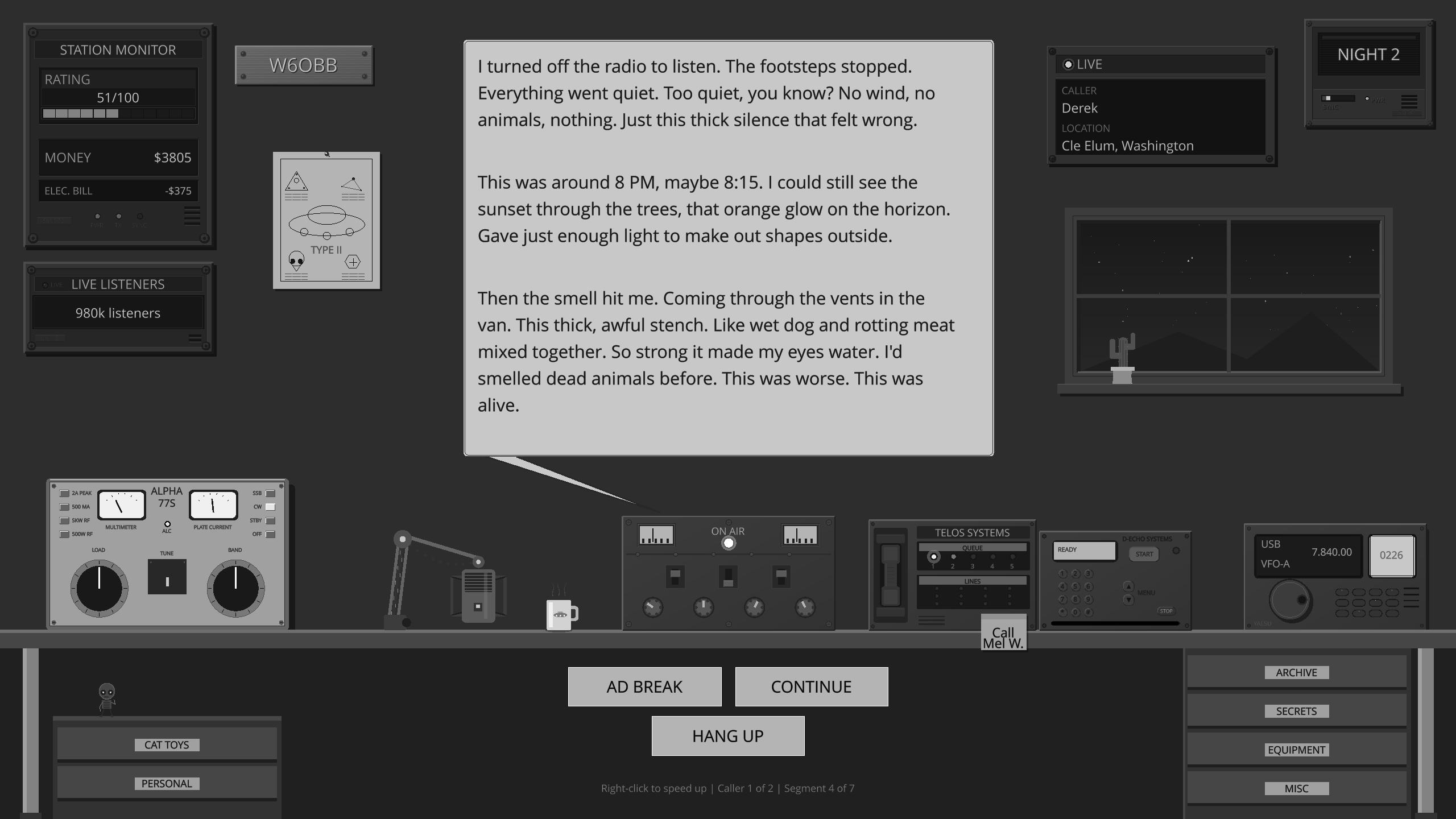
Ever wanted to host your own late-night paranormal radio show?
Across the Airwaves
You're on the air. Callers bring Mothman, Fresno Nightcrawlers, UFO sightings, reptilian autopsies, and whispers about AATIP and Project Blue Book. Every reply shapes how the night goes.

AI-Generated Summary
This 1981 GEPAN technical note reviews the state of magnetohydrodynamics (MHD) research and presents experimental evidence that MHD forces can suppress bow waves on cylindrical objects. It explores the potential for these findings to explain the silent, rapid flight characteristics reported in unidentified aerospace phenomena.
This technical note, issued by the GEPAN (Groupe d'Etude des Phénomènes Aérospatiaux Non-identifiés) of the CNES in November 1981, provides a comprehensive overview of the state of magnetohydrodynamics (MHD) research and its potential applications. The document was authored by Bernard Zappoli to contextualize new theoretical ideas regarding the propulsion of solid objects through fluids, specifically addressing characteristics often reported in unidentified aerospace phenomena, such as rapid, silent movement without conventional aerodynamic effects like shock waves. The report begins with a historical and technical survey of MHD, covering its use in power conversion, thermonuclear fusion, and metallurgy. It notes that while MHD-based power conversion saw significant investment in the 1960s, it largely failed to meet industrial expectations, leading to a decline in interest in many Western nations. Conversely, MHD remains a critical area of study for future thermonuclear fusion reactors, particularly for plasma confinement. The second part of the document details specific experimental work conducted at the ENSAE, which investigated the effect of MHD forces on the bow wave of a cylinder in a supersonic flow analogy. Using an experimental setup with acidified water, researchers demonstrated that applying electric and magnetic fields could suppress the bow wave and modify the flow around the cylinder. The document concludes that while these results are preliminary and require further quantification, they provide a scientific basis for exploring MHD as a means of controlling aerodynamic drag and shock waves. The report includes an extensive list of references and annexes containing scientific papers by C. Vives regarding pressure distribution around cylinders in MHD flows, reinforcing the technical foundation of the study.
Au chapitre des caractéristiques que l'on rencontre fréquemment dans des descriptions de phénomènes aérospatiaux non-identifiés, certaines concernent leurs déplacements présentés comme rapides, silencieux et saccadés sans qu'ils soient pour autant accompagnés des effets aéro-dynamiques classiques (effet de souffle, turbulences, ondes de choc, etc.).
PDF not loading? Download the PDF directly
Official Assessment
The document reviews the state of MHD research, noting its decline in power conversion but potential future utility in fusion and propulsion. It details experimental work on using MHD to suppress bow waves on cylindrical objects, suggesting potential for aerodynamic applications.