Declassified UFO / UAP Document
DETERMINATION DE L'ORDRE DE GRANDEUR DE LA PUISSANCE D'UNE SOURCE LUMINEUSE A PARTIR DE L'EXAMEN DE CLICHES PHOTOGRAPHIQUES
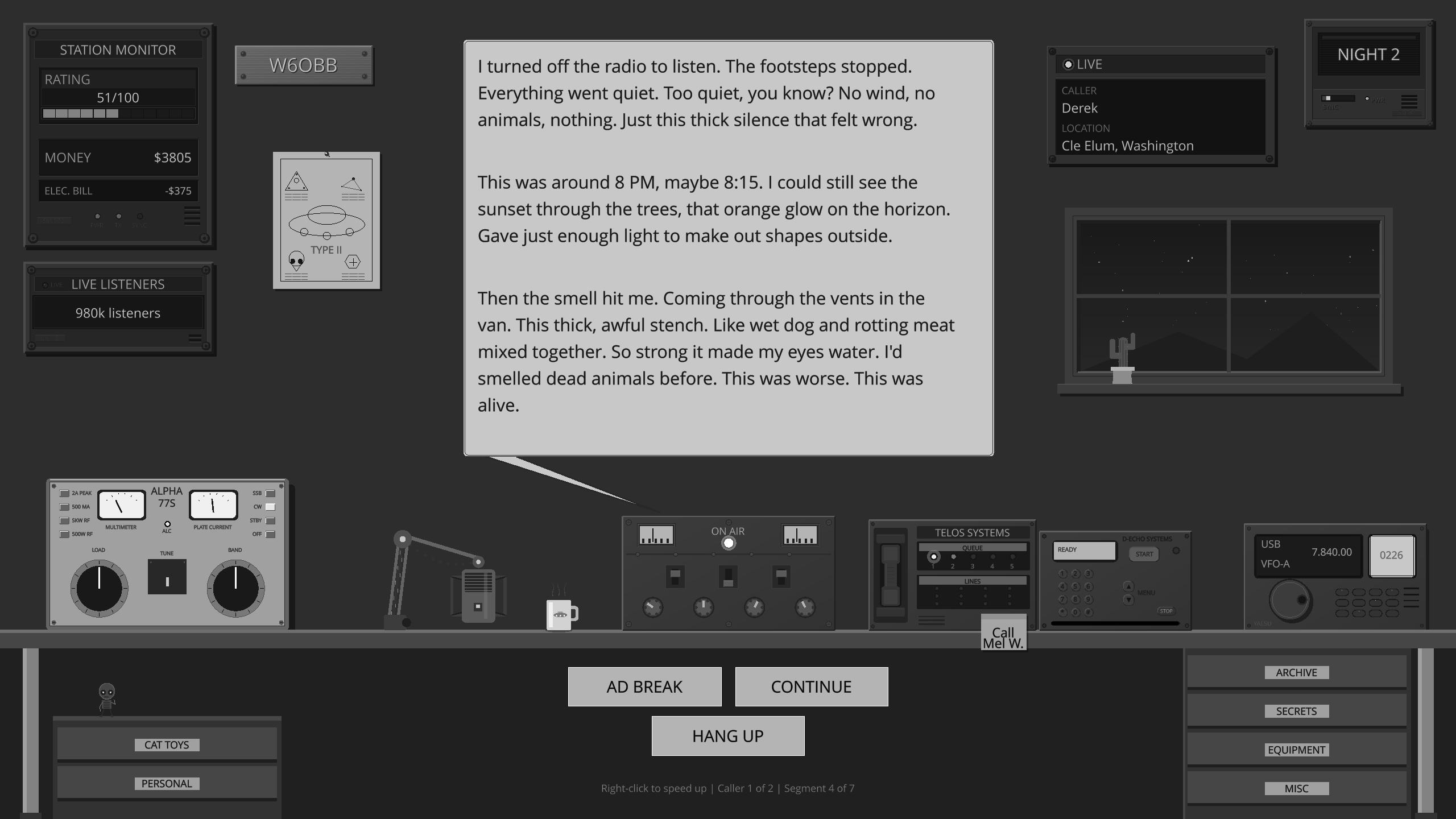
Ever wanted to host your own late-night paranormal radio show?
Across the Airwaves
You're on the air. Callers bring Mothman, Fresno Nightcrawlers, UFO sightings, reptilian autopsies, and whispers about AATIP and Project Blue Book. Every reply shapes how the night goes.

AI-Generated Summary
This technical note from G.E.P.A.N. provides a mathematical formula for estimating the power of a light source based on photographic evidence. It includes a step-by-step calculation method and a practical numerical example for field use.
This technical note, issued by the G.E.P.A.N. (Groupe d'Étude des Phénomènes Aérospatiaux Non-identifiés) at the Centre Spatial de Toulouse on June 23, 1977, and authored by Claude Poher, outlines a scientific methodology for determining the order of magnitude of the power of a light source captured on photographic film. The document establishes a mathematical relationship that allows researchers to calculate the electrical power (in watts) that would be required by a standard 2850°K incandescent lamp to produce the same photographic result as the observed light source, assuming isotropic radiation. The formula incorporates several variables: the distance between the source and the camera, the diameter of the source's image on the film, the aperture ratio of the lens, the density of the image on the film, the film's sensitivity (ASA), and the exposure time. The author provides a detailed derivation of the formula, starting from the sensitometric characteristics of the film and the relationship between photographic density and illumination. To facilitate practical application, the document includes a 'rapid calculation method' that utilizes a table of constants (k1) based on film sensitivity, along with secondary constants (k2 and k3) derived from the lens and exposure parameters. The note concludes with a numerical example, demonstrating how to apply these calculations to a hypothetical scenario involving a 400 ASA film, a 50mm focal length lens, and specific exposure settings, resulting in a power estimate of 30.2 watts per square kilometer.
La détermination de l'ordre de grandeur de la puissance d'une source lumineuse peut se faire au moyen de la relation suivante
PDF not loading? Download the PDF directly
Official Assessment
The document provides a mathematical formula and a rapid calculation method to estimate the power of a light source based on photographic data, including film sensitivity, aperture, exposure time, and image density.
Key Persons
- Claude PoherAuthor