Declassified UFO / UAP Document
Biosensors and BioMEMS: A Survey of the Present Field
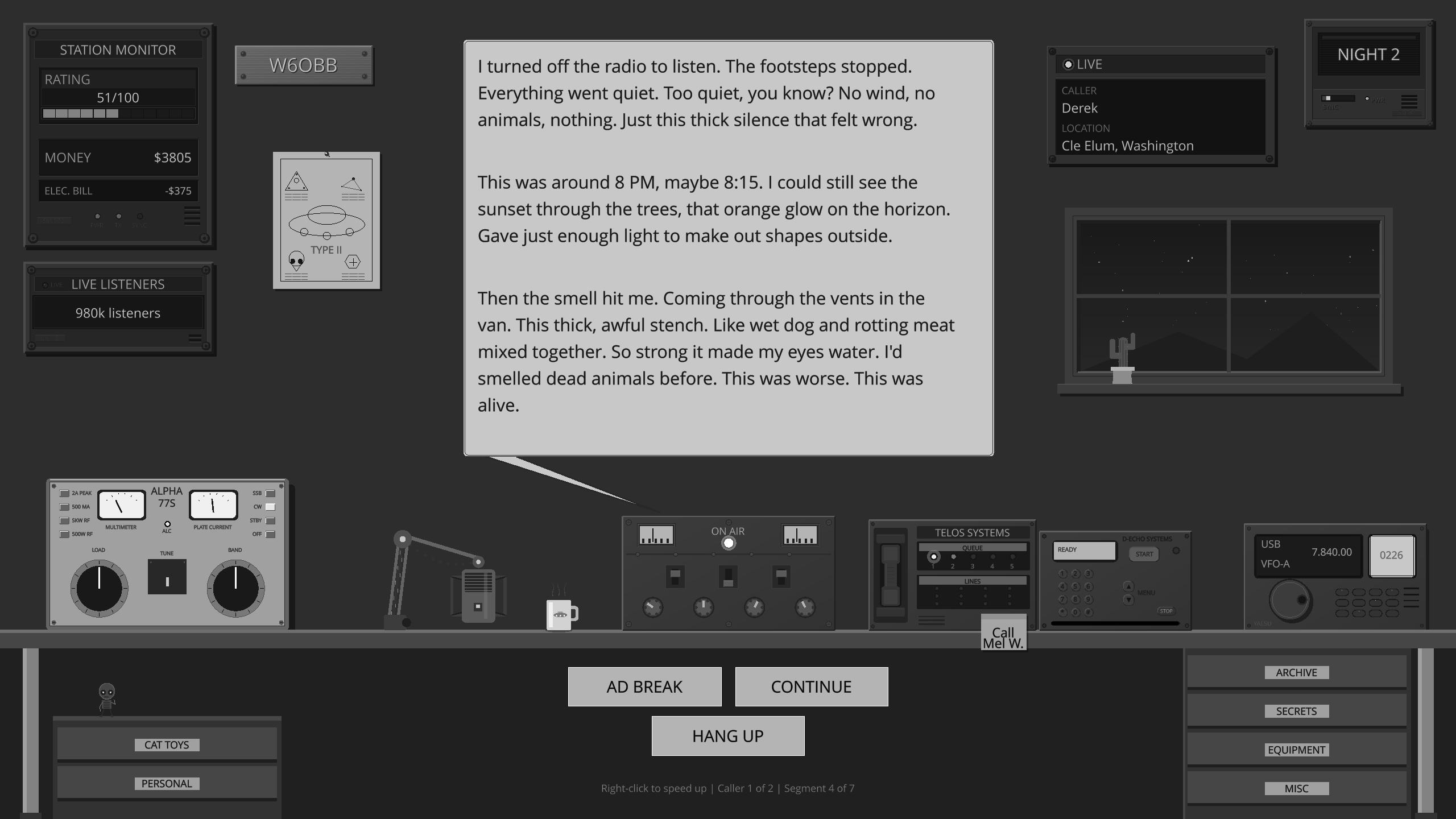
Ever wanted to host your own late-night paranormal radio show?
Across the Airwaves
You're on the air. Callers bring Mothman, Fresno Nightcrawlers, UFO sightings, reptilian autopsies, and whispers about AATIP and Project Blue Book. Every reply shapes how the night goes.

AI-Generated Summary
This DIA report surveys the 2010 state of BioMEMS and biosensor technology, focusing on medical applications like neural interfaces, drug delivery, and blood monitoring. It was produced under the AAWSA program to assess advanced technology developments in the biomedical field.
This Defense Intelligence Reference Document, produced by the Defense Intelligence Agency in March 2010 as part of the Advanced Aerospace Weapon System Applications (AAWSA) Program, provides a comprehensive survey of the field of BioMEMS (Biomedical Micro-Electro-Mechanical Systems) and biosensors. The document outlines the evolution of biomedical sensors from traditional, large-scale devices to sophisticated micro-scale technologies capable of integration within the human body. The author details the fundamental principles of BioMEMS, which leverage micro-scale fabrication techniques to manipulate fluids and electrical signals at the cellular level. Key areas of focus include brain-implanted neuroelectrodes, which allow for the monitoring of neural activity and the potential for brain-machine interfaces to assist individuals with disabilities. The report also covers fluidic BioMEMS, such as drug-delivery pumps for the treatment of conditions like diabetes, and various biosensors designed for real-time blood chemistry analysis. Significant attention is given to the challenges of biocompatibility, long-term stability, and the hostile environment of the human body, which often leads to device degradation or encapsulation by scar tissue. The document also explores the role of NASA in supporting research into microfluidic systems for space applications, specifically for monitoring cell cultures under the stresses of space flight. The survey concludes that while the field is currently in its early stages, the rapid pace of development suggests that future medical treatments will increasingly rely on these miniaturized devices. The document includes numerous figures illustrating the mechanical and electrical designs of these sensors, many of which were developed in collaboration with Arizona State University and Sandia National Laboratories.
We have only seen the beginning of this technology development, and today's state-of-the-art implantable devices will be seen as crude and cumbersome tomorrow.
PDF not loading? Download the PDF directly
Official Assessment
The document surveys the current state of BioMEMS (Biomedical Micro-Electro-Mechanical Systems) and biosensors, highlighting their potential for medical applications including drug delivery, neural interfaces, and blood chemistry monitoring. It emphasizes the transition from science fiction to reality for bionic technologies, noting that while current devices are often bulky, future developments will likely lead to more sophisticated, miniaturized, and integrated systems for therapeutic and diagnostic use.
Key Persons
- J. MuthuswamyResearcher/Contributor
- Eric GuilbeauResearcher/Contributor
- Bruce ToweResearcher/Contributor
- Valerie StoutASU microbiologist