Declassified UFO / UAP Document
Space Access: Where We've Been . . . and Where We Could Go
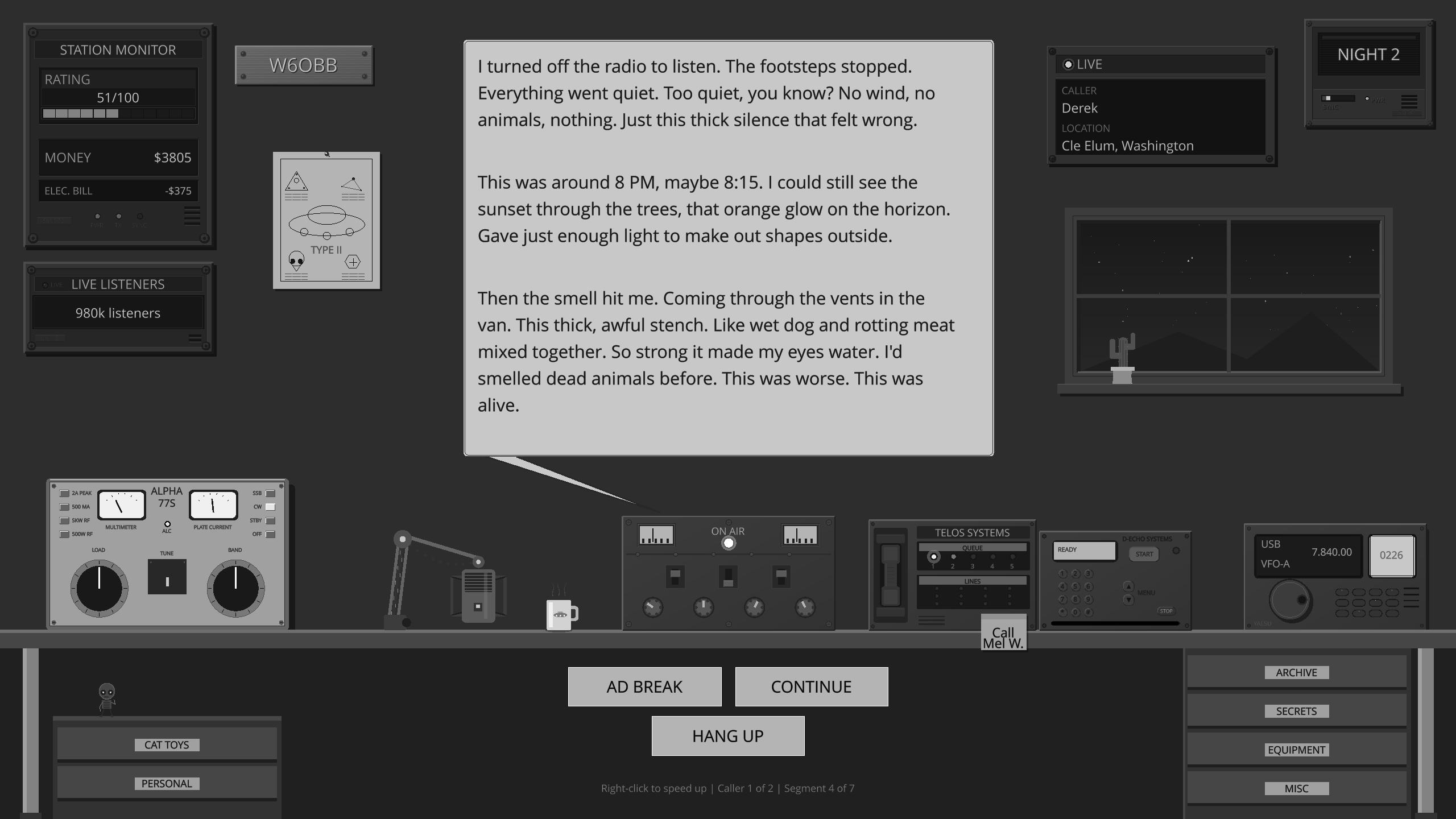
Ever wanted to host your own late-night paranormal radio show?
Across the Airwaves
You're on the air. Callers bring Mothman, Fresno Nightcrawlers, UFO sightings, reptilian autopsies, and whispers about AATIP and Project Blue Book. Every reply shapes how the night goes.

AI-Generated Summary
This document is a 2010 DIA reference report analyzing the history and engineering requirements of hypersonic flight and reusable space launch systems. It argues that the U.S. lost critical space-access capabilities due to the abandonment of specific hypersonic glider and lifting-body programs in favor of expendable rocket systems.
This Defense Intelligence Reference Document, produced in March 2010 by the Defense Intelligence Agency under the Advanced Aerospace Weapon System Applications (AAWSA) Program, provides a historical and technical overview of space access systems. The document argues that the primary barrier to reliable, frequent, and cost-effective space access is not a lack of technology, but rather a failure to maintain industrial capabilities and engineering confidence. The author traces the evolution of space access from the late 1950s, focusing on the development of hypersonic gliders and lifting-body configurations by the Air Force Flight Dynamics Laboratory (AFFDL) and various aerospace contractors, including McDonnell Douglas. The text contrasts these efforts with the reliance on expendable, ballistic-missile-derived rockets, which the author characterizes as less practical for sustained, on-demand space operations. Key technical discussions include the integration of air-breathing propulsion, the thermodynamics of hypersonic flight, and the importance of cross-range capability for landing in the continental United States. The document details specific configurations, such as the FDL-7, Model 176, and the X-24, and discusses the challenges of thermal protection systems, including the use of diffusion-bonded titanium and carbon-carbon materials. The author also addresses the concept of a space infrastructure, drawing analogies to railroad networks, and proposes a framework for future space operations that includes sustained-use launchers, orbital transfer vehicles, and space-based manufacturing. The document concludes by emphasizing that the loss of expertise and hardware continuity, such as the abandonment of the Saturn V and various hypersonic research programs, has significantly delayed the development of a robust space-faring civilization. It serves as both a technical reference for hypersonic design and a critique of the historical trajectory of U.S. space policy.
The issue facing our spaceflight organizations is the lack of a durable, consistent, schedulable, and frequent hardware system to and from space assets such as the International Space Station.
PDF not loading? Download the PDF directly
Official Assessment
The document concludes that the development of robust, reusable space access infrastructure is a matter of industrial capability and engineering confidence rather than purely technological discovery. It highlights the historical success of lifting-body configurations and hypersonic gliders in providing flexible, on-demand access to space, and argues that the loss of this capability, exemplified by the cancellation of programs like the Saturn V and various hypersonic glider projects, has hindered progress in establishing a sustainable space infrastructure.
Key Persons
- D. Bruce MerrifieldAssistant Secretary of Commerce for Productivity, Technology, and Innovation
- William GaubatzEngineer/Developer
- Pete ConradEngineer/Developer
- Al DraperAerospace Engineer
- Glebe Lozino-LozinskiRussian Designer
- Konstantin FeotkiskovAerospace designer and cosmonaut
- H. D. AltisDirector, McDonnell Aircraft Advanced Design Dept.
- Robert R. StephensAuthor of cited reports