Declassified UFO / UAP Document
Metallic Glasses: Status and Prospects for Aerospace Applications
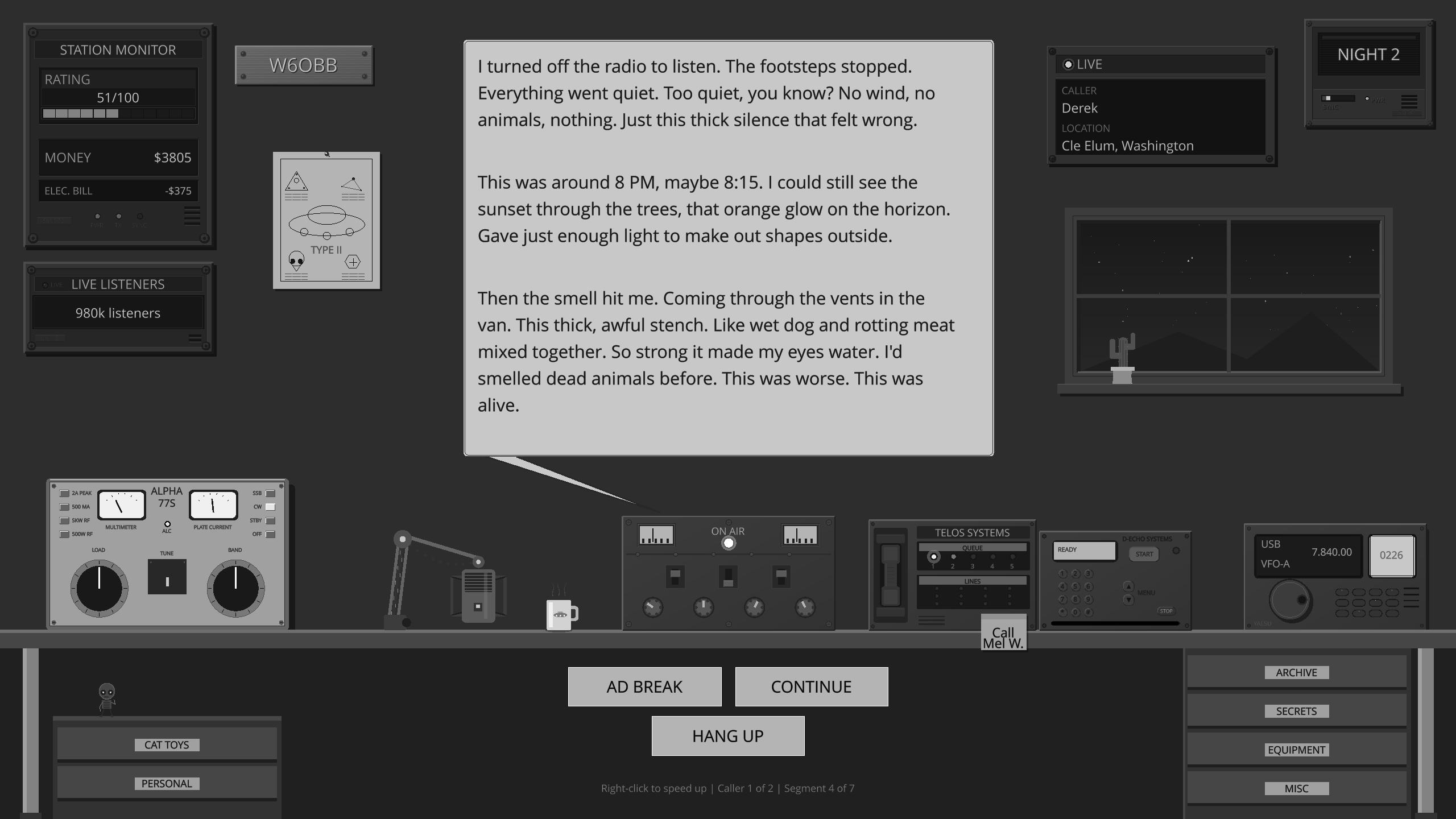
Ever wanted to host your own late-night paranormal radio show?
Across the Airwaves
You're on the air. Callers bring Mothman, Fresno Nightcrawlers, UFO sightings, reptilian autopsies, and whispers about AATIP and Project Blue Book. Every reply shapes how the night goes.

AI-Generated Summary
This 2009 DIA report evaluates the potential of metallic glasses for aerospace use, highlighting their high strength and processing flexibility alongside significant limitations in ductility and fatigue resistance. It identifies metallic glass matrix composites as the most viable path for future aerospace structural applications.
This Defense Intelligence Reference Document, produced under the Advanced Aerospace Weapon System Applications (AAWSA) Program in 2009, provides a technical assessment of metallic glasses and their potential utility in aerospace structural applications. The document outlines the fundamental atomic structure of metallic glasses, noting that their amorphous nature—lacking the long-range order of crystalline metals—results in unique mechanical properties. While these materials exhibit high strength and stiffness, they are characterized by near-zero tensile ductility and poor fatigue resistance due to the absence of crystalline defects like dislocations, which typically facilitate strain hardening. The report details the processing advantages of metallic glasses, specifically their ability to be formed like thermoplastic polymers near the glass transition temperature, allowing for complex geometries and nanoscale features. However, significant limitations exist, including a lack of suitable lightweight glass-forming alloys, particularly aluminum-rich compositions, and the tendency for brittle fracture. The document emphasizes that metallic glass matrix composites, which incorporate ductile crystalline dendrites, offer a path toward overcoming these limitations by improving fracture toughness and fatigue resistance. The report concludes that while metallic glasses and their composites are likely to see increasing acceptance as structural materials over the next 20 to 50 years, their widespread use in aerospace depends critically on the development of new, lightweight alloys and a deeper understanding of their mechanical behavior and processing requirements.
It is highly likely that continued work over the next 20-50 years will result in significant advances in all these areas, and that metallic glasses and metallic glass matrix composites will see increasing acceptance as structural materials.
PDF not loading? Download the PDF directly
Official Assessment
Metallic glasses offer high strength and processing flexibility but suffer from low tensile ductility and poor fatigue resistance. Their use in aerospace is most promising in the form of metallic glass matrix composites, which can provide improved fracture toughness. Further progress requires the development of new lightweight alloys and a better understanding of mechanical behavior and processing techniques.
Key Persons
- Jan SchroersProfessor (Yale University)