Declassified UFO / UAP Document
Advanced Nuclear Propulsion for Manned Deep Space Missions
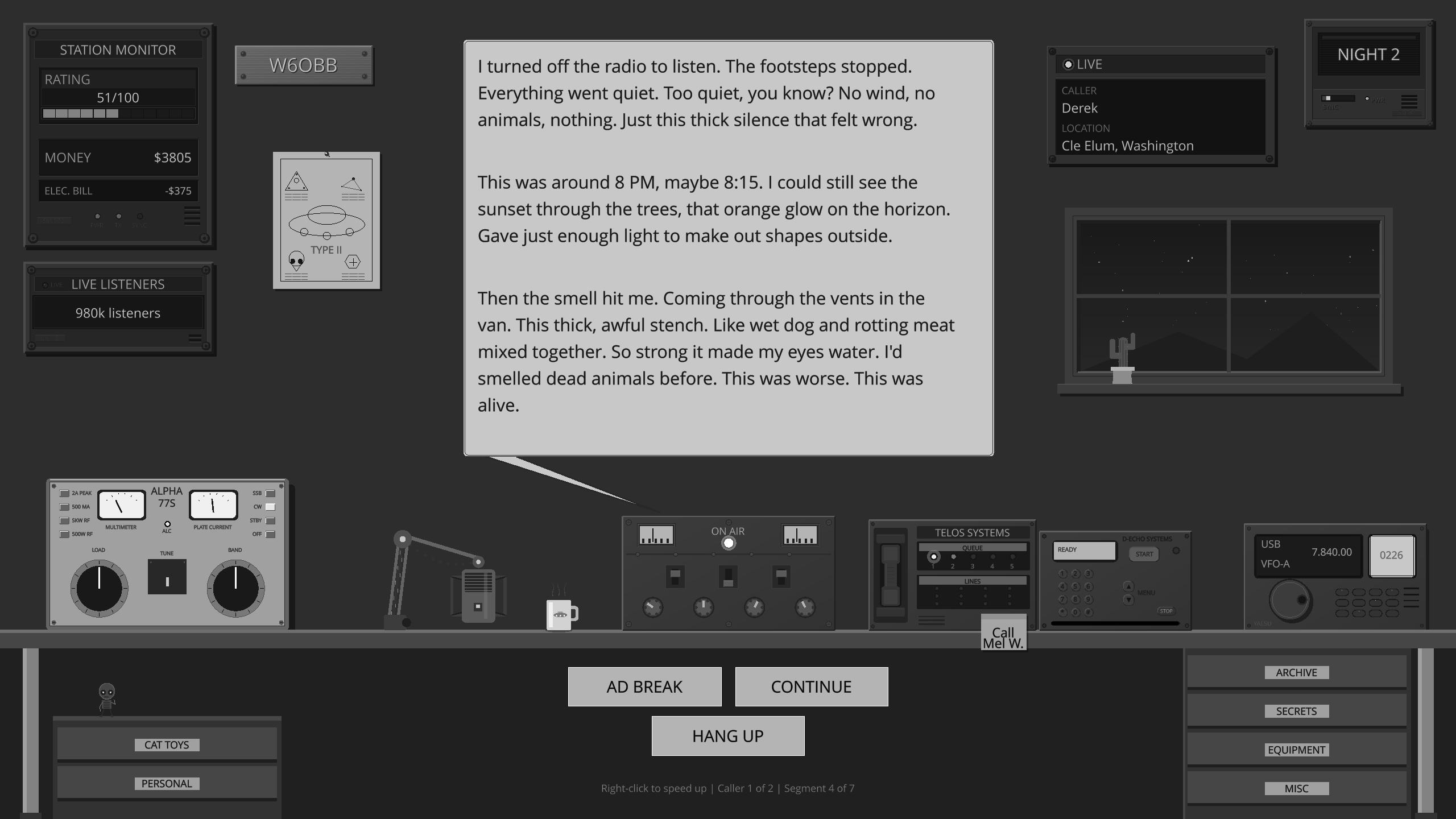
Ever wanted to host your own late-night paranormal radio show?
Across the Airwaves
You're on the air. Callers bring Mothman, Fresno Nightcrawlers, UFO sightings, reptilian autopsies, and whispers about AATIP and Project Blue Book. Every reply shapes how the night goes.

AI-Generated Summary
This document outlines a theoretical propulsion system for deep space travel using deuterium-based thermonuclear microexplosions ignited by high-energy beams. It proposes the use of a 'Super Marx generator' to achieve the necessary power levels, aiming to overcome the limitations of traditional fission-based nuclear propulsion.
This Defense Intelligence Reference Document, dated 11 March 2010, provides a technical assessment of advanced nuclear propulsion concepts for manned deep space missions. The author, writing from a background in physics, explores the feasibility of using deuterium as a primary nuclear rocket fuel. The document argues that while chemical rockets are insufficient for deep space travel, and fission-based nuclear propulsion (such as the Orion project) presents significant drawbacks—specifically radioactive fallout and the 'tyranny of the critical mass'—a new approach using non-fission thermonuclear microexplosions is viable.
The core of the proposed propulsion system involves the ignition of pure deuterium through intense relativistic electron or ion beams. The author details the theoretical framework for this, including the use of 'magnetic insulation' and 'inductive charging' to generate the gigavolt potentials required for such beams. A significant portion of the document is dedicated to the concept of a 'Super Marx generator,' a massive, mile-long device capable of producing the necessary power on Earth to ignite these fusion reactions. The author suggests that this technology could replace the need for large, fission-based spacecraft.
Furthermore, the document discusses the challenges of neutron radiation in fusion reactions and proposes methods for mitigation, such as using boron diaphragms and hydrogen moderators to increase specific impulse while reducing heat. The author also explores the potential for 'conjectured metastable superexplosives' formed under high pressure to assist in the ignition process. The document concludes that with the development of these technologies, manned missions to the outer limits of the solar system and beyond become a realistic possibility, utilizing deuterium resources found on planetary bodies and comets.
We have little reason to expect that new fundamental laws of physics that could lead to a breakthrough in propulsion still await discovery.
PDF not loading? Download the PDF directly
Official Assessment
The document proposes that manned deep space exploration is feasible using deuterium-based nuclear propulsion. It suggests that non-fission ignition of thermonuclear microexplosions, driven by intense relativistic electron or ion beams generated by a 'Super Marx generator,' could provide the necessary high-specific-impulse, high-thrust propulsion while avoiding the radioactive fallout associated with fission-based systems.
Key Persons
- Hermann OberthRocket scientist
- GoddardRocket scientist
- HahnScientist
- StrassmannScientist
- HeisenbergPhysicist
- Von WeizsäckerOrganizer
- Ted TaylorPhysicist
- Freeman DysonPhysicist
- Stanislaw UlamPhysicist
- Wernher von BraunRocket scientist
- George DysonAuthor
- Claudio MacconeScientist
- KidderScientist
- FuellingScientist
- MullerScientist
- + 2 more in document