Declassified UFO / UAP Document
The Great CIA Cover-Up
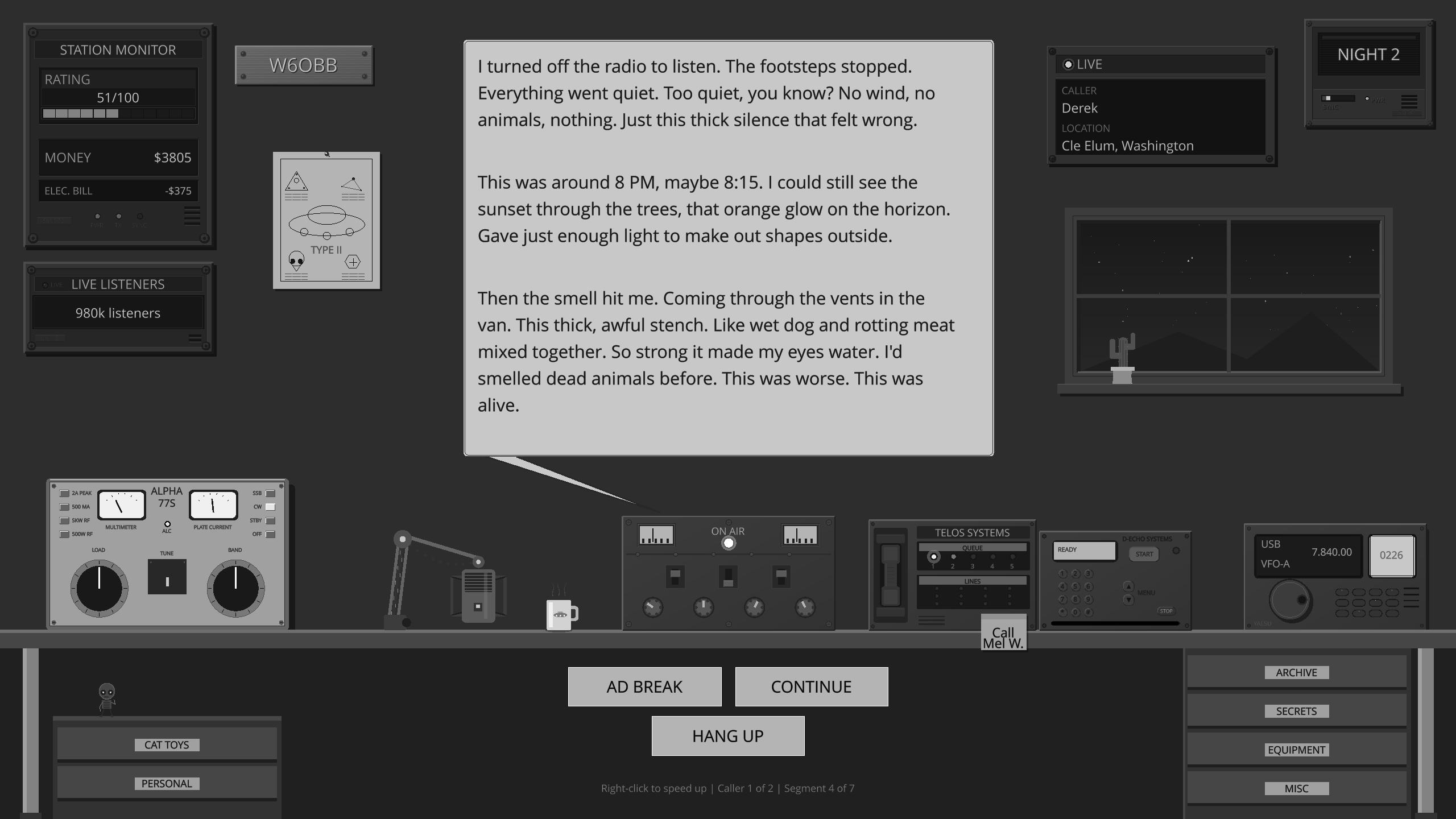
Ever wanted to host your own late-night paranormal radio show?
Across the Airwaves
You're on the air. Callers bring Mothman, Fresno Nightcrawlers, UFO sightings, reptilian autopsies, and whispers about AATIP and Project Blue Book. Every reply shapes how the night goes.
AI-Generated Summary
The document analyzes the 1953 Robertson Panel, which recommended that the CIA and Air Force use public relations and debunking to minimize public interest in UFOs. This shift in policy led to the systematic downplaying of UFO reports and the restriction of information to the public.
This document provides a historical analysis of the CIA's involvement in UFO investigations during the 1950s, specifically focusing on the Robertson Panel convened in January 1953. The author, David Michael Jacobs, details how the CIA, concerned that the 1952 wave of UFO sightings was clogging military intelligence channels and potentially creating a vulnerability for enemy exploitation, sought to minimize public interest in the phenomenon. The Robertson Panel, composed of scientists and intelligence personnel, reviewed existing UFO data, including the Great Falls and Tremonton films. The panel concluded that UFOs did not pose a direct threat to national security but recommended that the Air Force implement a public relations campaign to 'debunk' sightings and reduce public concern. The document outlines how this led to the institutionalization of secrecy, the use of Air Force regulations to restrict information, and the eventual marginalization of Project Blue Book. The analysis highlights the tension between the military's need for intelligence and the perceived necessity of managing public perception to prevent mass hysteria or the exploitation of the UFO phenomenon by foreign adversaries.
The panel concluded that UFOs did not represent a direct threat to the national security, but it did find a potentially dangerous threat in the reports.
PDF not loading? Download the PDF directly
Official Assessment
The panel concluded that UFOs did not represent a direct threat to national security, but recommended public relations efforts to debunk sightings and reduce public interest.
The panel recommended that the Air Force use debunking and education to reduce public interest in UFOs, and that the Air Force should stop treating UFO reports as a serious intelligence matter.
Key Persons
- H. Marshall ChadwellCIA personnel
- Ralph L. ClarkCIA personnel
- Philip G. StrongCIA personnel
- RobertsonPanel Chair
- Luis AlvarezPhysicist
- Thornton PageFormer professor of astronomy
- Lloyd BerknerPanel member
- Allen HynekAstronomer
- Frederick C. DurantAssociate panel member
- Edward RuppeltChief of Project Blue Book
- Dewey FournetATIC personnel