Declassified UFO / UAP Document
CIA's Role in the Study of UFOs, 1947-90
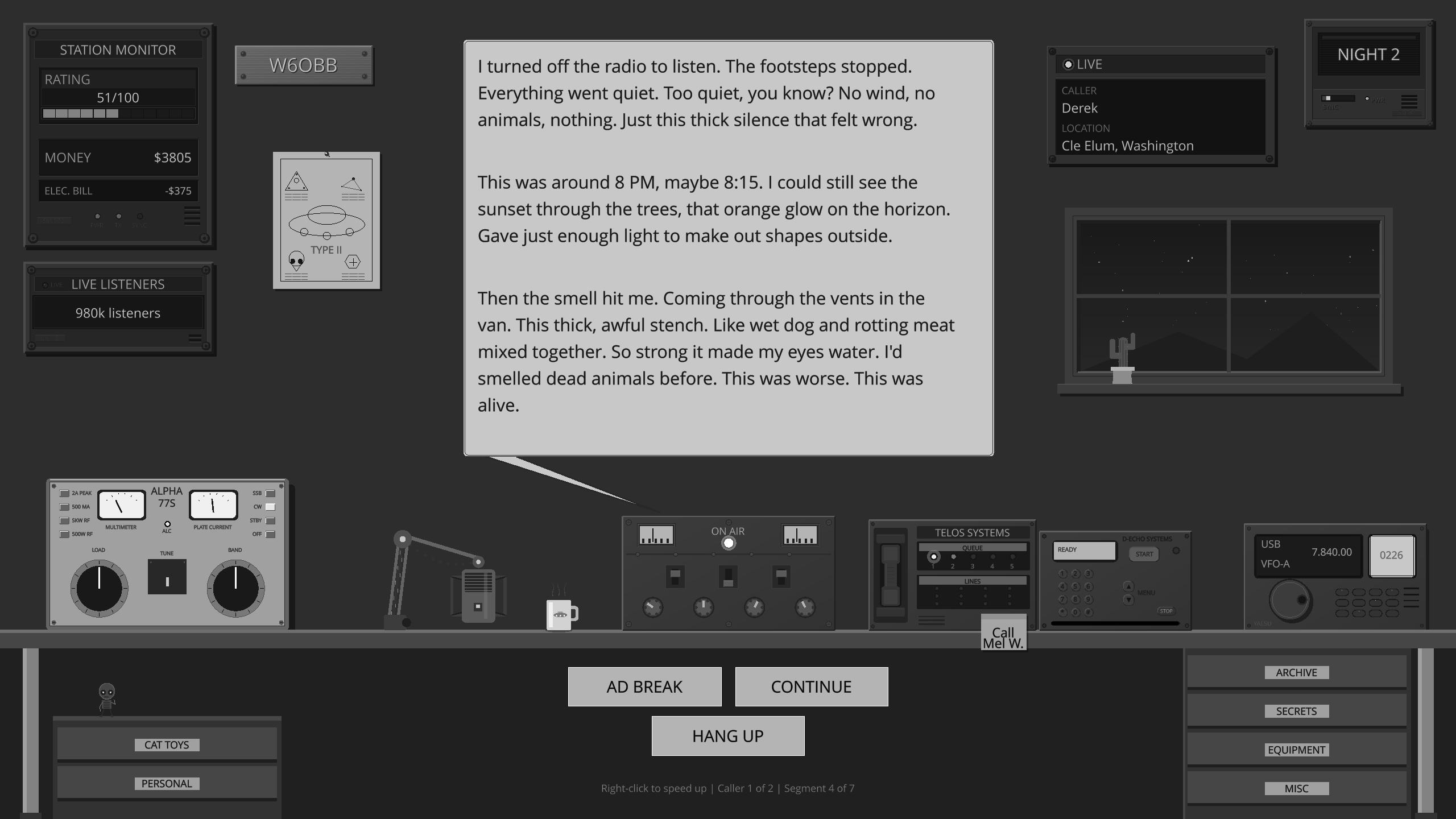
Ever wanted to host your own late-night paranormal radio show?
Across the Airwaves
You're on the air. Callers bring Mothman, Fresno Nightcrawlers, UFO sightings, reptilian autopsies, and whispers about AATIP and Project Blue Book. Every reply shapes how the night goes.
AI-Generated Summary
This document is a historical assessment of the CIA's involvement in UFO studies from 1947 to 1990. It concludes that the Agency's interest was driven by Cold War national security concerns rather than extraterrestrial research, and that this interest significantly waned after the early 1950s.
This historical study, authored by NRO historian Gerald K. Haines, provides a comprehensive overview of the Central Intelligence Agency's involvement with the study of Unidentified Flying Objects (UFOs) from 1947 to 1990. The document traces the evolution of the Agency's interest, which was initially substantial during the early Cold War period but became increasingly limited and peripheral over time. The study highlights that the CIA's primary motivation for investigating UFOs was not the pursuit of extraterrestrial life, but rather national security concerns. Specifically, the Agency feared that the Soviet Union might exploit UFO sightings to create mass hysteria, overload the US air warning system, or mask the testing of advanced Soviet aircraft. The document details the establishment of various Air Force projects, including Project SIGN, Project GRUDGE, and Project BLUE BOOK, which were tasked with collecting and evaluating UFO data. It also discusses the significant role of the Robertson Panel in 1953, which recommended that the Agency minimize its public association with UFO investigations to avoid credibility issues and to focus on more pressing intelligence matters. Throughout the 1950s and 1960s, the CIA monitored UFO reports, often finding that many sightings were attributable to secret US reconnaissance projects like the U-2 and OXCART. The study also addresses the persistent public and political pressure for the release of information, noting that the Agency frequently resisted full disclosure to protect sensitive intelligence sources and methods. By the 1970s and 1980s, the CIA's involvement had largely shifted toward monitoring the potential use of UFO-related topics in psychological warfare and the intersection of UFO interest with other unconventional research areas. The document concludes that the Agency's role was primarily one of risk assessment and management, rather than a deep, sustained scientific investigation into the phenomena themselves.
While Agency concern over UFOs was substantial until the early 1950s, CIA has since paid only limited and peripheral attention to the phenomena.
PDF not loading? Download the PDF directly
Official Assessment
While Agency concern over UFOs was substantial until the early 1950s, CIA has since paid only limited and peripheral attention to the phenomena.
The CIA's involvement in UFO studies was primarily driven by national security concerns during the Cold War, specifically the fear that the Soviet Union could use UFO reports to overload US air warning systems or that UFO sightings were actually secret Soviet or US weapons. The Agency's interest peaked in the early 1950s, notably with the Robertson Panel, and subsequently faded as the Air Force's Project Blue Book became the primary vehicle for public explanation and management of the issue.
Key Persons
- James WoolseyDCI
- Nathan TwiningHead of the Air Technical Service Command
- Robert AmoryDeputy Director for Intelligence (DDI)
- Walter Bedell SmithDCI
- H. Marshall ChadwellAssistant Director of OSI
- Edward U. CondonPhysicist
- H. P. RobertsonPhysicist