Declassified UFO / UAP Document
Inflatable Structures in Space: Hearing before the Committee on Science and Astronautics, U.S. House of Representatives, May 19, 1961
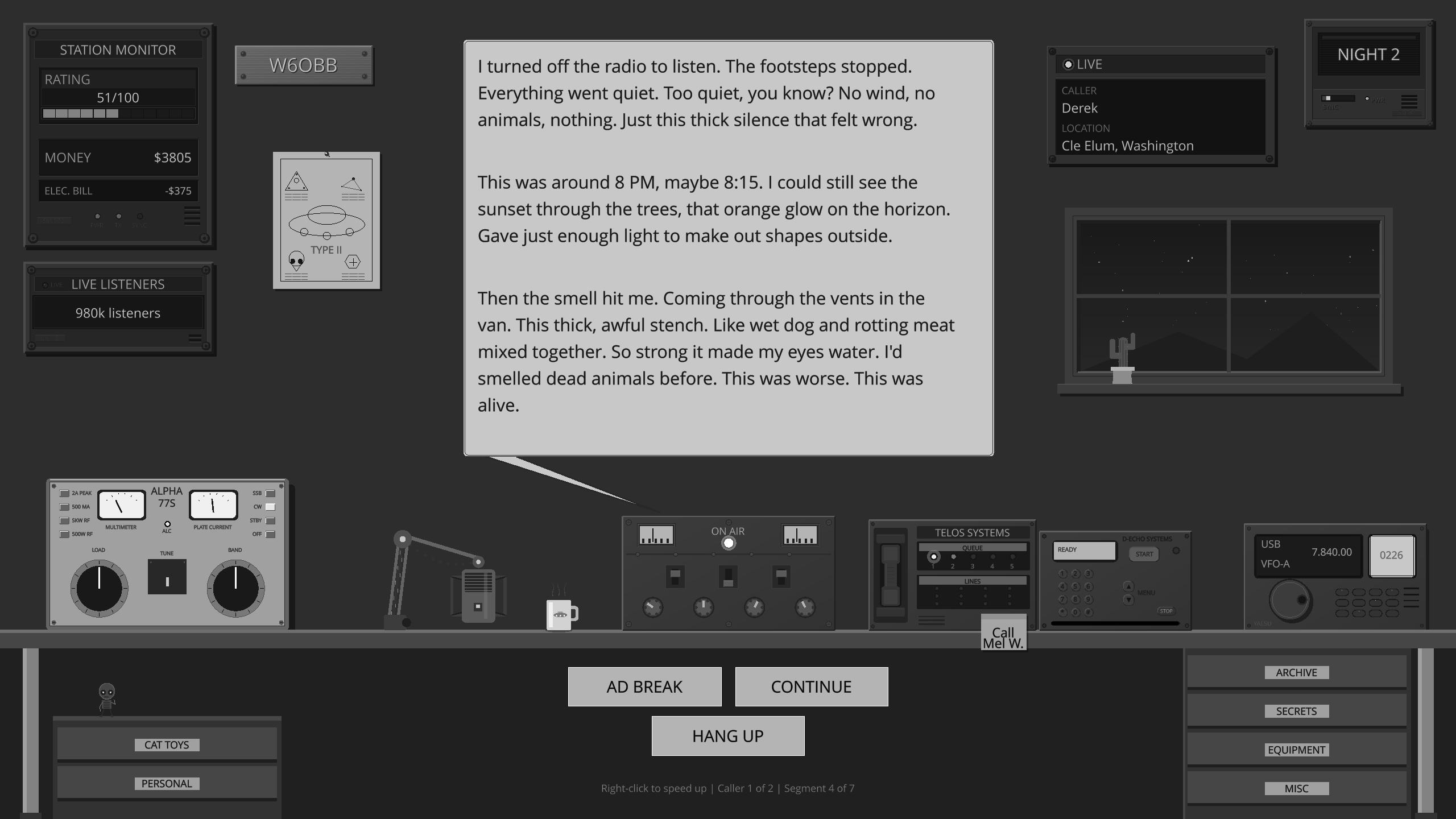
Ever wanted to host your own late-night paranormal radio show?
Across the Airwaves
You're on the air. Callers bring Mothman, Fresno Nightcrawlers, UFO sightings, reptilian autopsies, and whispers about AATIP and Project Blue Book. Every reply shapes how the night goes.

AI-Generated Summary
This hearing transcript details the 1961 Congressional review of inflatable space structure technology. It highlights the potential for these structures to reduce launch weight and complexity for satellites and space stations, while also providing a comprehensive status report on Project Mercury.
This document is a transcript of a hearing held by the House Committee on Science and Astronautics on May 19, 1961, regarding 'Inflatable Structures in Space.' The hearing featured testimony from NASA officials and representatives from Goodyear Aircraft Corp. The primary focus was on the potential for inflatable or 'expandable' structures to solve critical problems in space exploration, specifically the difficulty of launching large payloads. Witnesses explained that inflatable structures could be packed into small, compact canisters for launch and then inflated or erected once in orbit, thereby reducing the need for massive boosters and avoiding aerodynamic instability during launch.
NASA representatives L. K. Loftin, Jr. and William J. O'Sullivan discussed the success of the Echo I satellite and the ongoing development of Echo II, which utilizes a rigidized laminate material to maintain its shape even after being punctured by micrometeorites. They emphasized that this technology does not require fundamental scientific breakthroughs but rather careful developmental design. The committee also heard from Goodyear Aircraft Corp. representatives, including Robert W. Richardson, Dr. Robert S. Ross, and Robert T. Madden, who presented their research into expandable structures, including 'Airmat' material, solar collectors, and re-entry vehicles like the 'Ballute' and inflatable gliders.
Throughout the hearing, committee members, including Representative Joseph E. Karth, questioned the witnesses on the cost-effectiveness of these systems compared to active communication satellites and the timeline for developing manned space stations. The witnesses maintained that while the technology is in its infancy, it holds great promise for future space missions, including long-duration space laboratories. The document also includes extensive appendices detailing the status of Project Mercury, including funding summaries, tracking and communications network plans, and agreements between NASA and the Department of Defense regarding cost reimbursements for recovery operations. The hearing concluded with the committee expressing appreciation for the information provided, noting that inflatable structures represent a significant area of potential challenge and success for the U.S. space effort.
It is difficult to get material lighter than this. This is why we look at it as one of the world's lightest structural materials. It will remain still and hard as long as you maintain pressure in it.
PDF not loading? Download the PDF directly
Official Assessment
The hearing established that inflatable and erectable structures are a viable technology for space applications, offering significant weight savings and packaging advantages. NASA and industry partners like Goodyear are actively researching these structures for use in communication satellites, space stations, and re-entry vehicles. No fundamental scientific breakthroughs are required, but further development and engineering studies are necessary.
Witnesses
- Albert H. QuieRepresentativeU.S. Congress
- L. K. Loftin, Jr.Technical Assistant to the DirectorLangley Research Center, NASA
- William J. O'SullivanSpace Vehicle GroupLangley Research Center, NASA
- Robert W. RichardsonVice PresidentGoodyear Aircraft Corp.
- Robert S. RossManager, Aeromechanics Research and Development DepartmentGoodyear Aircraft Corp.
- Robert T. MaddenManager, Astronautics SalesGoodyear Aircraft Corp.
Key Persons
- Overton BrooksChairman, Committee on Science and Astronautics
- Alan B. ShepardCommander/Astronaut
- Hugh L. DrydenDeputy Administrator of NASA