Declassified UFO / UAP Document
Project 10073 Record Card — Taft, California, January 5, 1959
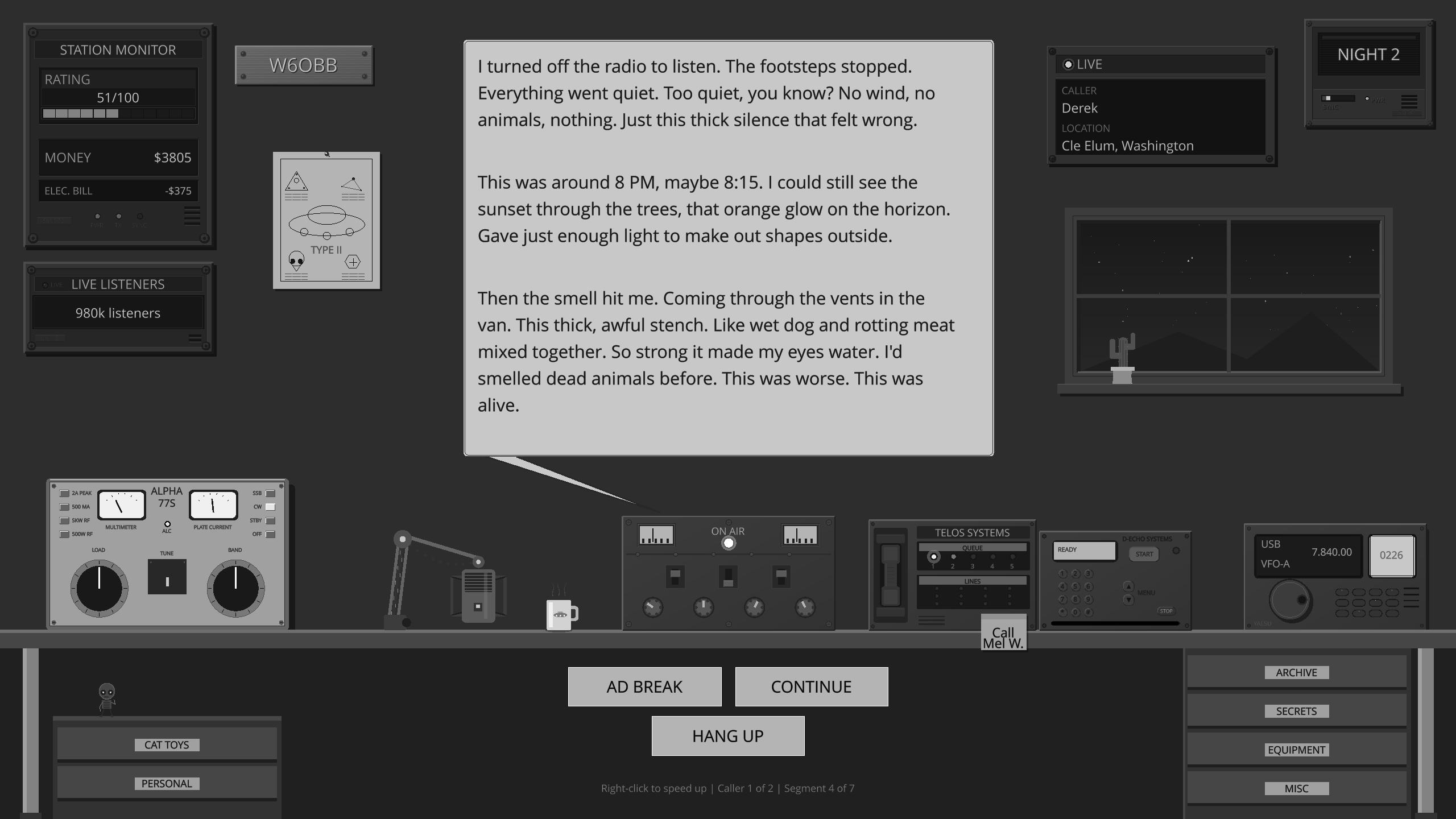
Ever wanted to host your own late-night paranormal radio show?
Across the Airwaves
You're on the air. Callers bring Mothman, Fresno Nightcrawlers, UFO sightings, reptilian autopsies, and whispers about AATIP and Project Blue Book. Every reply shapes how the night goes.

AI-Generated Summary
A 1959 UAP sighting report from Taft, California, involving a silver, oval object with a tail. The event was officially classified as a meteor by the Air Technical Intelligence Center.
This document consists of a Project 10073 record card and associated teletype communications regarding an Unidentified Aerial Phenomenon (UAP) sighting reported on January 5, 1959, in the vicinity of Taft, California. The primary witness was associated with TWA. The object was described as an oval, silver-colored entity, approximately the size of a basketball when viewed from a distance of 50 to 100 yards. It was observed at an altitude of 12,000 feet, exhibiting a constant flight level while traveling from the southwest to the northeast. The witness reported that the object possessed a silver tail and a longer trail emanating from underneath. The object made a sharp 90-degree turn to the right while in the northern portion of its trajectory before fading from view. The duration of the sighting was estimated at four to five seconds. The report notes that there was no sound associated with the object. Weather conditions in the area included clouds, though the sky was clear at the specific location of the sighting. The official conclusion reached by the Air Technical Intelligence Center (ATIC) was that the object was an astronomical meteor, citing that the description and duration were characteristic of such a phenomenon. The documentation includes teletype messages from the 34th Air Division to various commands, including the Air Technical Intelligence Center and the Air Defense Command, detailing the observation and the lack of preliminary analysis by the intelligence office.
Description and time duration is characteristic of a meteor.
PDF not loading? Download the PDF directly
Official Assessment
Was Astronomical Meteor
The object was identified as a meteor based on its appearance, silver tail, and duration.
Witnesses
Key Persons
- Charles E. MoyersIntelligence Office