Declassified UFO / UAP Document
Air Intelligence Information Report — Unidentified Flying Object Sighting, Goose Air Base, Labrador, 22 June 1953
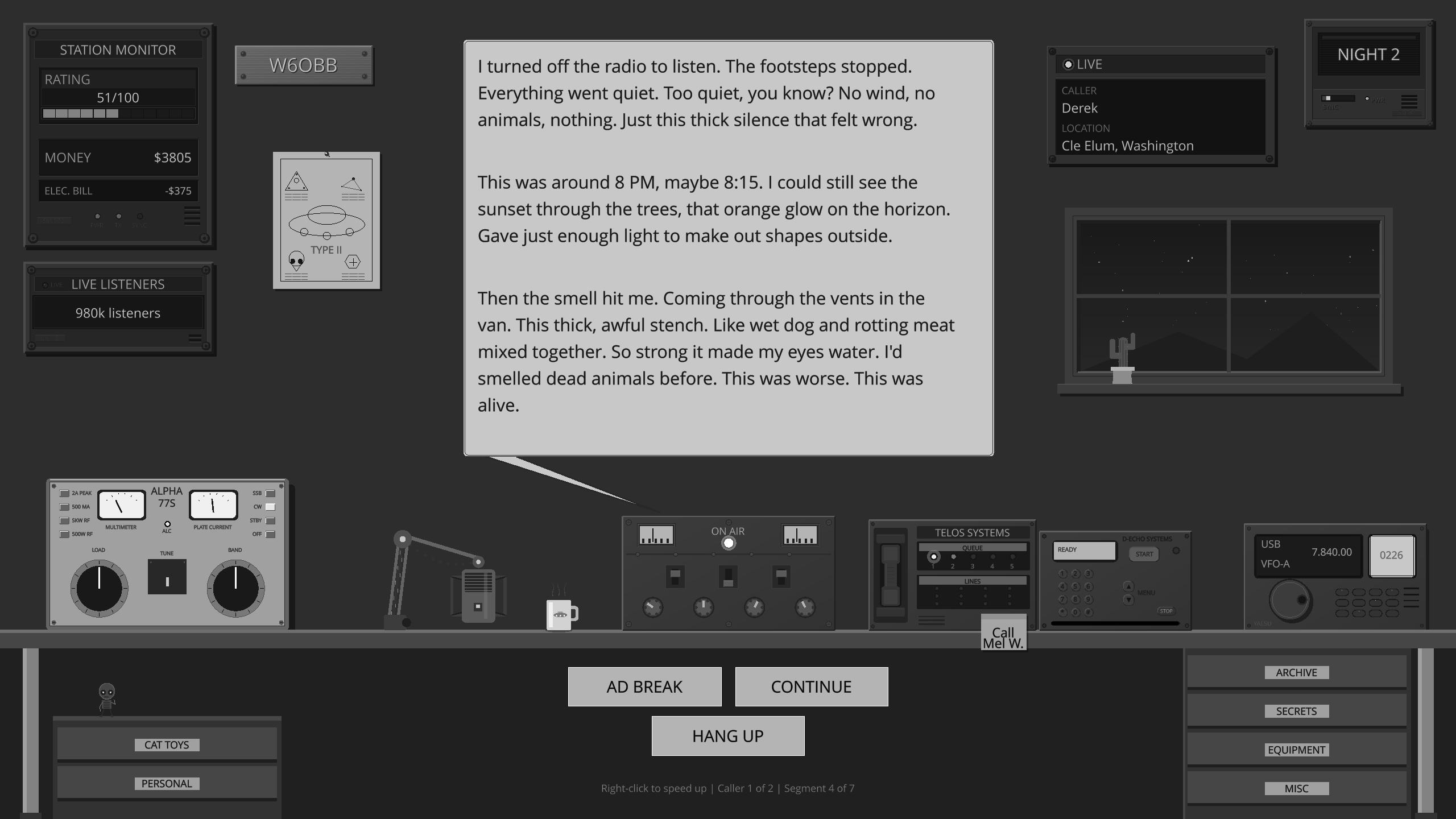
Ever wanted to host your own late-night paranormal radio show?
Across the Airwaves
You're on the air. Callers bring Mothman, Fresno Nightcrawlers, UFO sightings, reptilian autopsies, and whispers about AATIP and Project Blue Book. Every reply shapes how the night goes.

AI-Generated Summary
On 22 June 1953, an F-94 pilot observed an unidentified red light near Goose Air Base, Labrador, which exhibited high speed and climbing capabilities. The Air Technical Intelligence Center (ATIC) investigated the incident and concluded it was likely meteorological or celestial in origin, though it remained officially unexplained.
This document is a collection of intelligence reports and correspondence regarding an unidentified flying object sighting near Goose Air Base, Labrador, on 22 June 1953. The primary incident involved 2nd Lieutenant Walton C. Nichols of the 107th AC&W Squadron, who, while on combat air patrol at 10,000 feet, observed a red light. The pilot initially perceived the object as a jet aircraft with its afterburner engaged. Upon attempting a visual interception, the object accelerated and climbed through an overcast layer. The pilot followed the object into the clouds but was forced to abandon the pursuit due to low fuel. The report notes that no radar contact was established by GCA or GCI, and no friendly aircraft were in the area at the time of the sighting. The weather conditions were reported as 17,000-foot overcast with 30-mile visibility. The investigating officer, Captain Nathan J. Meyer of the Air Technical Intelligence Center (ATIC), concluded that the incident was likely caused by meteorological or celestial phenomena, ruling out hostile aircraft due to the extreme distance and the object's excessive speed. The file also contains correspondence from Dr. J. Allen Hynek of The Ohio State University, who was acting as a consultant for the Air Force. Hynek expressed interest in the Goose Air Base case, noting that it was one of the 'pinchbottle' cases that required further follow-up and analysis. The correspondence highlights the ongoing administrative efforts to standardize the reporting and investigation of these sightings, with Hynek requesting additional data and expressing frustration over delays in receiving information. The documents reflect the military's systematic approach to documenting and evaluating UAP reports during the early 1950s, emphasizing the need for rigorous data collection, such as the use of AF Form 112, while simultaneously attempting to categorize sightings as either conventional phenomena or unexplained events.
It appears that this incident represents an unidentified flying object caused either by meteorological or celestial phenomena.
PDF not loading? Download the PDF directly
Official Assessment
It appears that this incident represents an unidentified flying object caused either by meteorological or celestial phenomena.
The pilot attempted a visual interception of a red light. The object appeared to be a jet with an afterburner but exhibited speed and climbing capabilities that made it unlikely to be a conventional aircraft. No radar contact was established.
Witnesses
- Walton C. Nichols2nd Lieutenant107th AC&W Sq
Key Persons
- ShellT/Sgt GCA Chief Controller
- Allen HynekProfessor, Ohio State University