Declassified UFO / UAP Document
Chemical and Spectral Analysis of a Sample
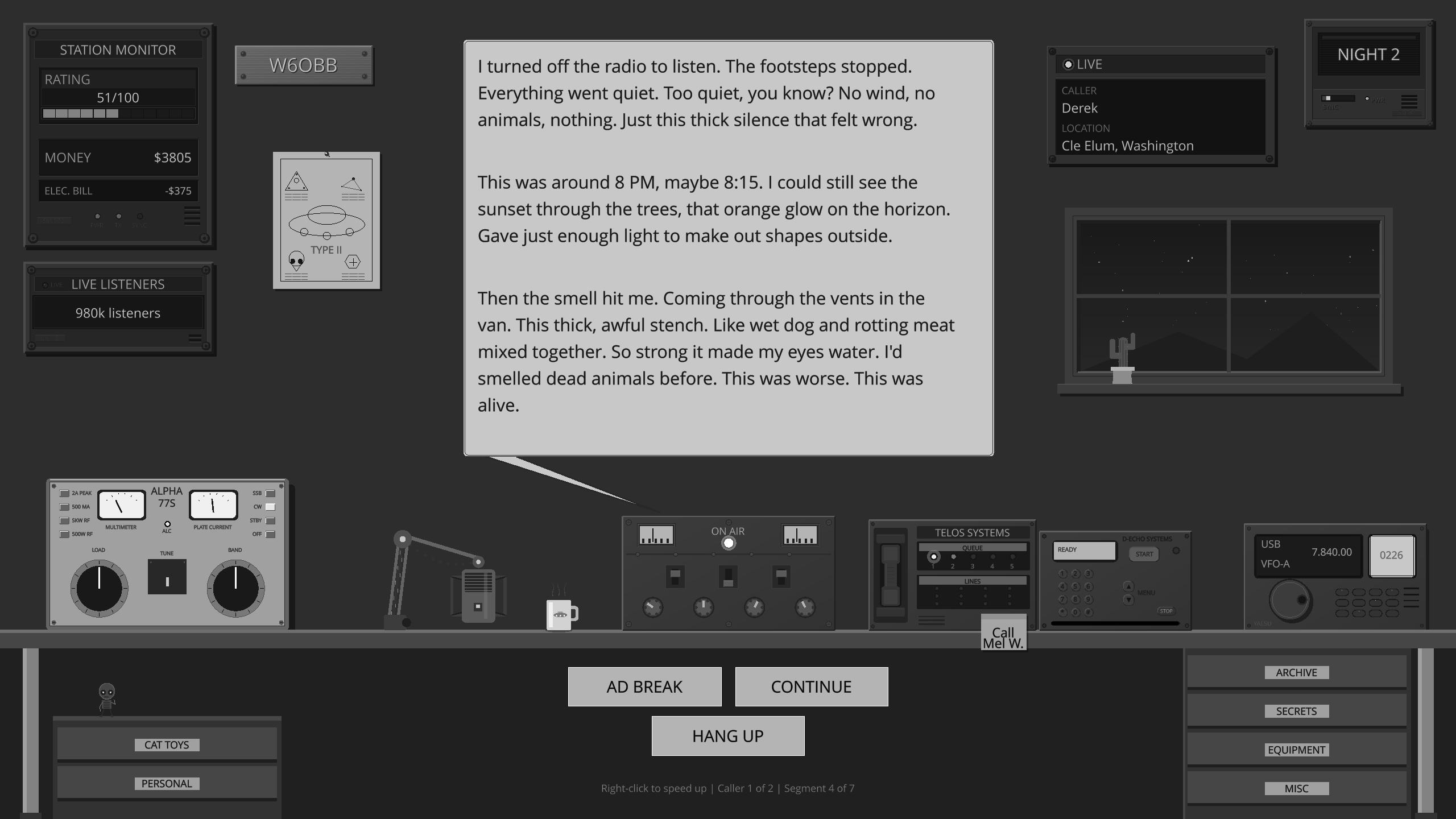
Ever wanted to host your own late-night paranormal radio show?
Across the Airwaves
You're on the air. Callers bring Mothman, Fresno Nightcrawlers, UFO sightings, reptilian autopsies, and whispers about AATIP and Project Blue Book. Every reply shapes how the night goes.

AI-Generated Summary
A technical analysis of a sample determined it was likely a thermite briquette (moxbrikett) used for welding. The sample showed signs of having been heated above the melting point of iron.
This document, marked as page 26, provides a technical analysis of an unidentified sample. The qualitative analysis of the base material revealed the presence of iron, aluminum oxide, and silica. Subsequent spectral analysis confirmed that the primary components of the sample were iron, aluminum, and silicon. The report notes that the sample had been subjected to extremely high temperatures, exceeding the melting point of iron, which caused the sand within the sample to transition into a glassy state. The final assessment concludes that the sample likely originated from a 'moxbrikett' (thermite briquette). These briquettes are described as mixtures of iron oxide powder and aluminum powder used for the welding of iron components. The report further suggests that the iron powder used in the briquette may have had a high silica content, which would have served to increase the reaction temperature during the welding process.
Det har sedermera framkommit, att provet sannolikt härrör från en s.k. moxbrikett.
PDF not loading? Download the PDF directly
Official Assessment
The sample likely originates from a so-called 'moxbrikett' (thermite briquette), which is a mixture of iron oxide powder and aluminum powder used for welding iron parts.
Qualitative analysis showed the presence of iron, aluminum oxide, and silica. Spectral analysis confirmed the main components as iron, aluminum, and silicon. The sample had been heated to a temperature exceeding the melting point of iron, resulting in a glassy state. It is suggested that the iron powder may have been high in silica, which would have further increased the reaction temperature.