Declassified UFO / UAP Document
Technical Analysis of Rocket Propulsion and Design Challenges
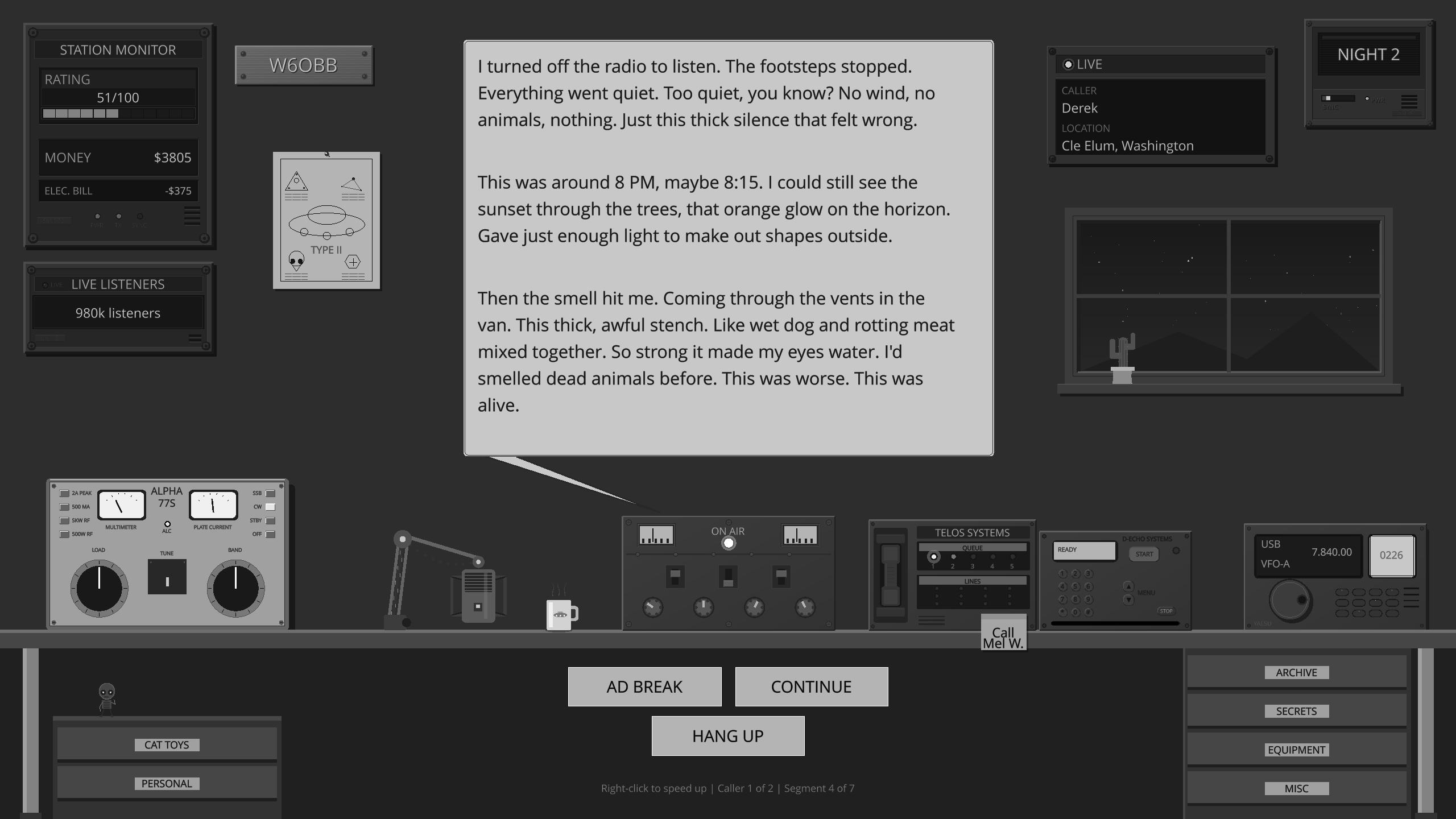
Ever wanted to host your own late-night paranormal radio show?
Across the Airwaves
You're on the air. Callers bring Mothman, Fresno Nightcrawlers, UFO sightings, reptilian autopsies, and whispers about AATIP and Project Blue Book. Every reply shapes how the night goes.

AI-Generated Summary
This document provides a technical overview of rocket propulsion and the challenges associated with using combustible materials for rocket bodies. It references testing of jet-type engines in the United States and England.
This document is a technical discussion regarding the construction and operation of rockets. The author describes the rocket body as being composed of a combustible material, potentially a magnesium alloy, which generates high temperatures during combustion. The propulsion method involves an ignition system that accelerates the rocket to speeds of 1000 km/h or more. The text explains that the rocket body is propelled forward through reaction, as the air passing through the rear of the rocket is heated and expanded by the internal fire. The author notes that rockets of this type, specifically jet engines without compressors, have been tested in the United States and that there are reports of similar tests in England, where top speeds for this type of rocket were estimated at 7200 km/h. However, the author highlights a critical design flaw: these rockets are constructed from combustible materials and carry their own fuel. The document concludes by posing several theoretical questions regarding the design of such rockets, specifically: how to maintain stability as the rocket's size decreases due to the consumption of the material, how to prevent the rocket from failing to ascend properly, and how the rocket should be recovered or disposed of after use.
Raketer av denna typ d.v.s. reaktionsmotorer utan kompressor har provats i U.S.A. och försök har pågått även i England där man lär ha beräknat toppfarten för denna typ av raketer till 7200 km/tim.
PDF not loading? Download the PDF directly
Official Assessment
The document discusses the technical challenges of rocket design, specifically regarding the use of combustible materials (like magnesium alloys) for the rocket body, the mechanics of propulsion, and the stability of the rocket as its mass decreases during flight.