Declassified UFO / UAP Document
Analysis of Photographic Film Fragment (Sample 3:1)
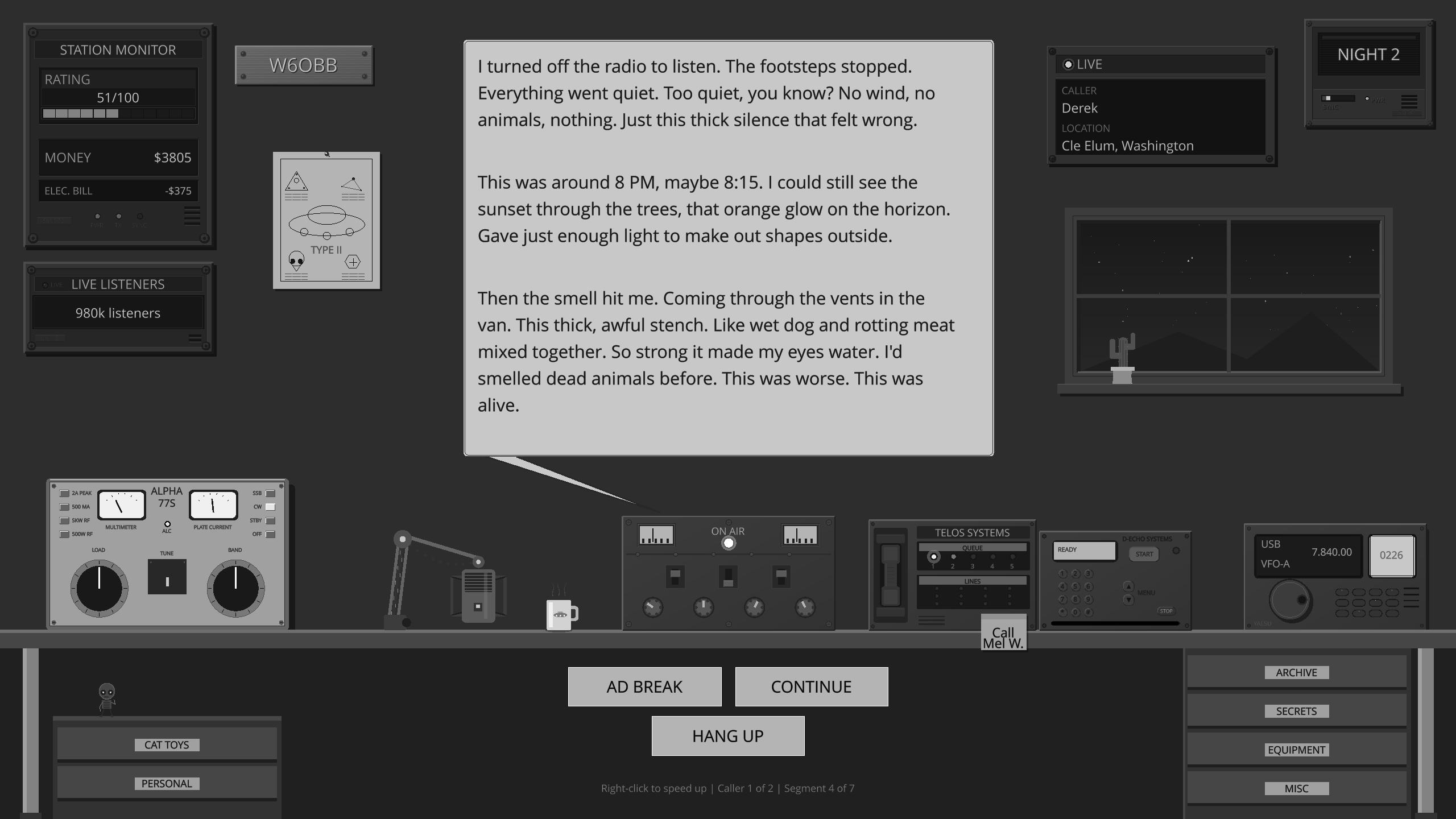
Ever wanted to host your own late-night paranormal radio show?
Across the Airwaves
You're on the air. Callers bring Mothman, Fresno Nightcrawlers, UFO sightings, reptilian autopsies, and whispers about AATIP and Project Blue Book. Every reply shapes how the night goes.
AI-Generated Summary
A technical analysis of a film fragment found in sample 3:1 concludes that the material is likely photographic debris from a newspaper office rather than an object from the original discovery site. The contamination likely occurred at the offices of Sundsvalls Tidning.
This document, page 10 of an unidentified report, provides a technical analysis of a photographic film fragment associated with 'sample 3:1'. The analysis identifies the material as likely being collodion, featuring a screen pattern consistent with the type used in newspaper printing. The author concludes that it is highly unlikely the fragment was present at the original discovery site. Instead, it is suggested that the fragment was introduced to the sample during its transit from the discovery site to the Cellulosaindustriens Centrallaboratorium. The most probable point of contamination is identified as the offices of the newspaper 'Sundsvalls Tidning', as the editor, A. Morelius, was responsible for the initial discovery and subsequent forwarding of the sample to Dr. Bäcklund. The report notes that such fragments are common in newspaper offices, where they can exist as 'dust' and easily crumble when dry.
Fragment av dylika hinnor kunna mycket väl tänkas förekomma som "damm" på en tidningsredaktion, då de i torrt tillstånd lätt smulas sönder.
PDF not loading? Download the PDF directly
Official Assessment
The fragment likely originated from a newspaper office (Sundsvalls Tidning) and was introduced to the sample during transit to the laboratory.
The fragment is identified as a piece of photographic film, likely collodion, used in newspaper reproduction. It is highly improbable that it was found at the original site with sample 3:1, as it is common for such fragments to exist as dust in a newspaper office.
Key Persons
- MöllerProvided comparative material
- BäcklundDoctor who prepared the sample
- A. MoreliusNewspaper editor who made the find