Declassified UFO / UAP Document
Protocol for comparative sensitivity measurements between English mine detectors No. 3 and No. 4 and the Swedish magnetic mine detector
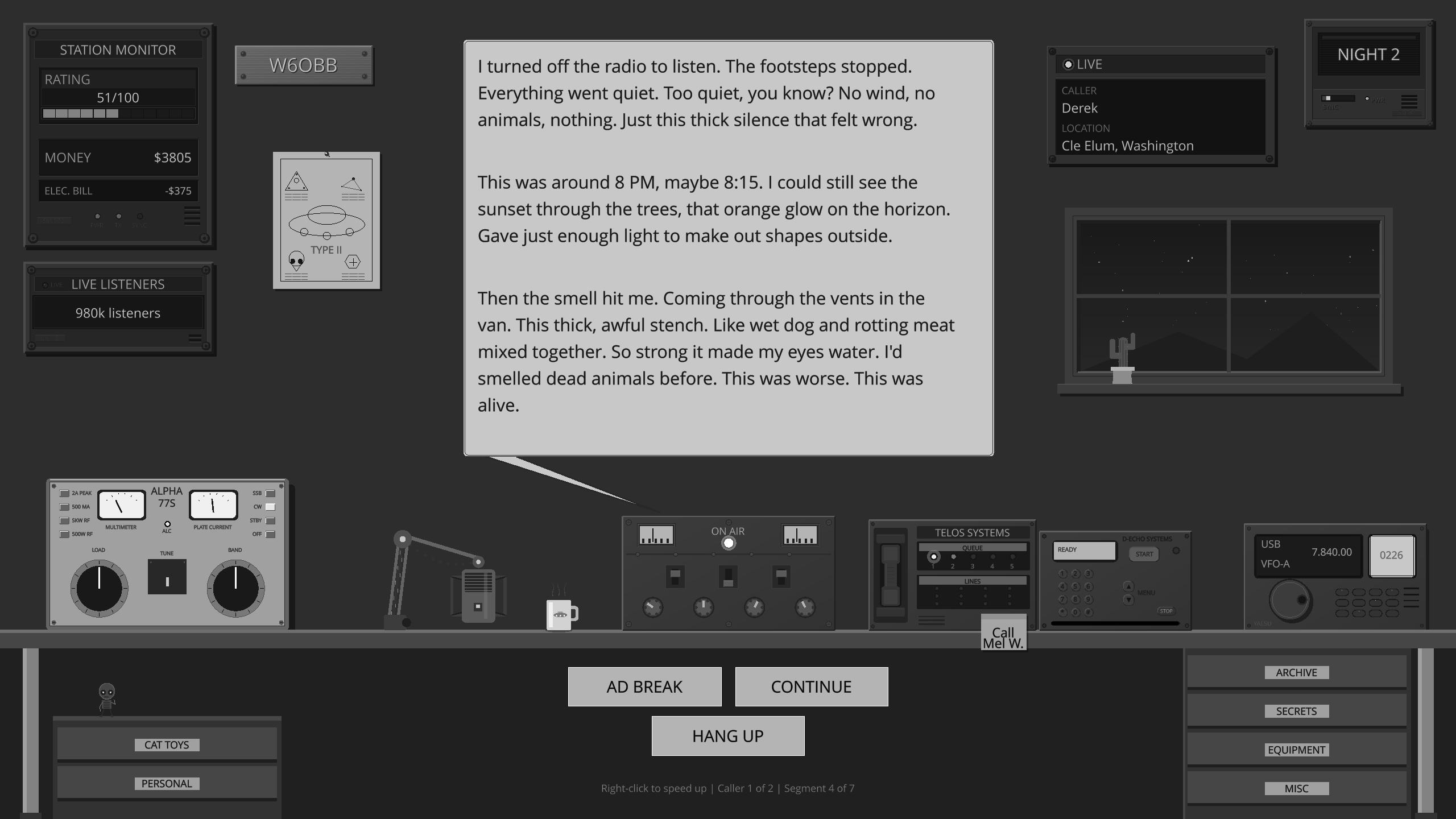
Ever wanted to host your own late-night paranormal radio show?
Across the Airwaves
You're on the air. Callers bring Mothman, Fresno Nightcrawlers, UFO sightings, reptilian autopsies, and whispers about AATIP and Project Blue Book. Every reply shapes how the night goes.

AI-Generated Summary
A 1946 Swedish military research report comparing the sensitivity of English mine detectors against a Swedish model. The report concludes the English No. 3 and No. 4 detectors outperformed the Swedish magnetic mine detector.
This document, dated August 13, 1946, and issued by the Swedish National Defence Research Institute (Försvarets Forskningsanstalt), details the results of comparative sensitivity tests conducted on English mine detectors (designated No. 3 and No. 4) and a Swedish magnetic mine detector. The objective of the study was to determine the distance at which a clear signal could be detected in the headphones of these devices when exposed to six specific test objects. The test objects included various sizes of iron, brass, and aluminum plates, as well as a German mine mechanism identified as T. Mi. Z. 35. The results are presented in a table, showing the detection distance in millimeters for each device against each object. The report concludes that the No. 3 detector is the most sensitive, that the No. 3 and No. 4 detectors perform at a similar level, and that the Swedish magnetic mine detector is significantly less effective than the English models tested. The document is signed by A. Hejdenberg and certified as a true copy by B. Sjöstedt.
Av ovanstående framgår att typ No. 3 är den känsligaste, No. 3 och No. 4 äro jämngoda, samt att den magnetiska minsökaren är de andra betydligt underlägsen.
PDF not loading? Download the PDF directly
Official Assessment
Type No. 3 is the most sensitive, No. 3 and No. 4 are equally good, and the magnetic mine detector is significantly inferior to the others.
The document presents a table of sensitivity measurements for various mine detectors (No. 3, No. 3a, No. 4, and a magnetic mine detector) against six different test objects, including iron plates, brass plates, aluminum plates, and a German mine mechanism (T. Mi. Z. 35).
Key Persons
- B. SjöstedtCertifier of the transcript