Declassified UFO / UAP Document
Technical Analysis of Recovered Material
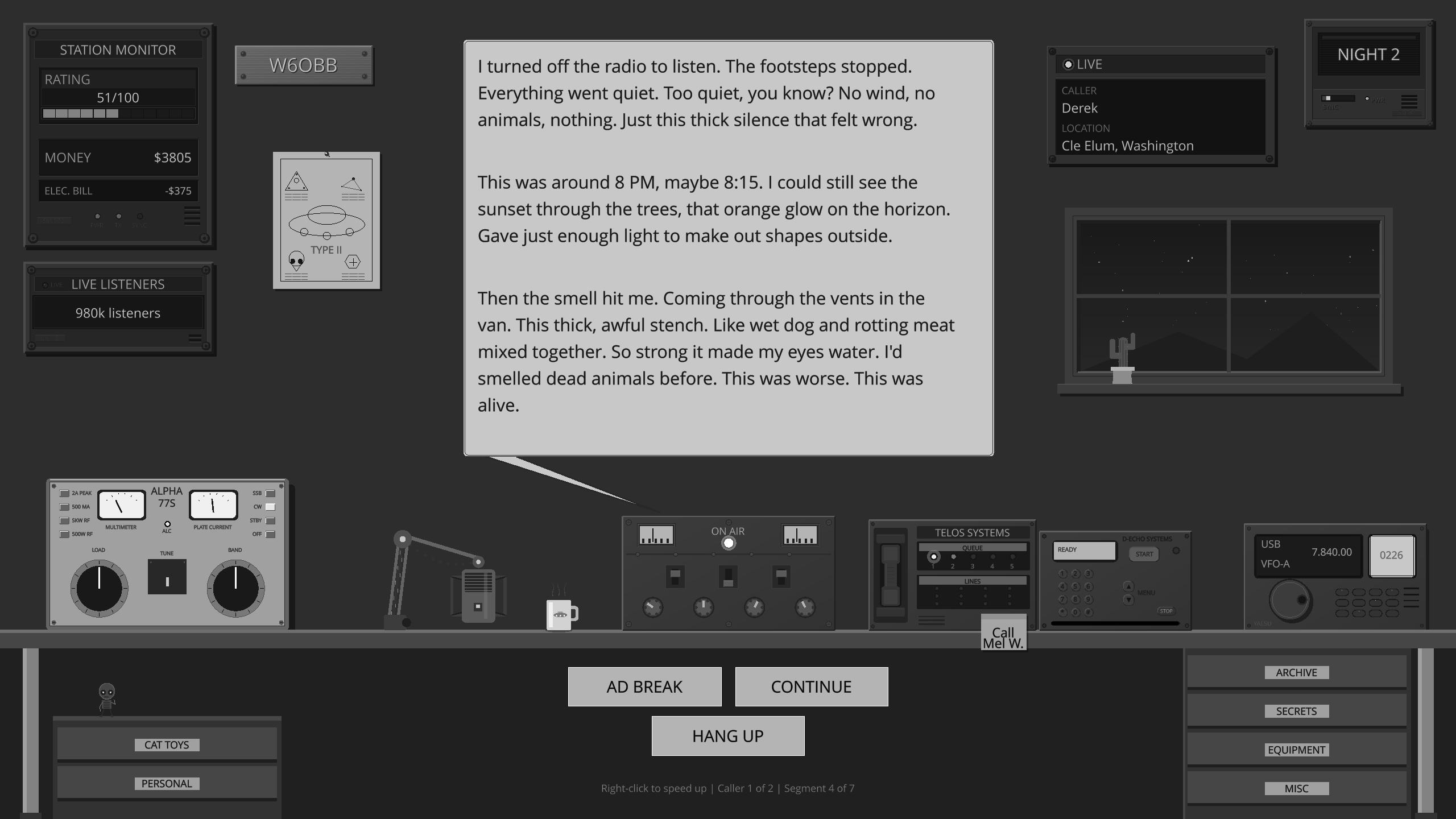
Ever wanted to host your own late-night paranormal radio show?
Across the Airwaves
You're on the air. Callers bring Mothman, Fresno Nightcrawlers, UFO sightings, reptilian autopsies, and whispers about AATIP and Project Blue Book. Every reply shapes how the night goes.

AI-Generated Summary
A technical analysis of recovered debris identified the materials as components of a dry cell battery. An engineer from Rylander & Rudolph Fabriks AB confirmed this conclusion.
This document is a technical report detailing the analysis of recovered physical materials. The items described include a piece of loose-mesh fabric similar to surgical gauze, cotton yarn with black insulating beads, and a crumpled piece of paper identified as being torn from an envelope. The report details a qualitative spectral analysis performed on three samples. Sample 1 contained carbon, silicon, magnesium, iron, aluminum, copper, and traces of zinc. Sample 2 contained manganese, zinc, silicon, magnesium, and iron; dissolution in hydrochloric acid produced chlorine gas, suggesting the presence of manganese dioxide (brunsten), along with graphite residue. Sample 3 contained light-colored salt crusts with zinc as the primary component. Based on these findings, the report concludes that the materials are remnants of a dry cell battery. On July 9, an engineer named Nordin at Rylander & Rudolph Fabriks AB in Henriksdal was consulted. Nordin confirmed the assessment, stating his firm conviction that the items were remnants of a ring-type battery element.
Kombinationen kol, brunsten och zink tyder på att fyndet är rester av ett torrelement.
PDF not loading? Download the PDF directly
Official Assessment
The combination of carbon, manganese dioxide (brunsten), and zinc indicates that the findings are remnants of a dry cell battery.
Analysis of the materials, including cotton yarn, beads, and paper, combined with spectral analysis of chemical components, led an engineer to conclude the items are remnants of a dry cell battery, specifically a ring-type element.
Key Persons
- NordinEngineer