Declassified UFO / UAP Document
WHO'S WHO IN HELL
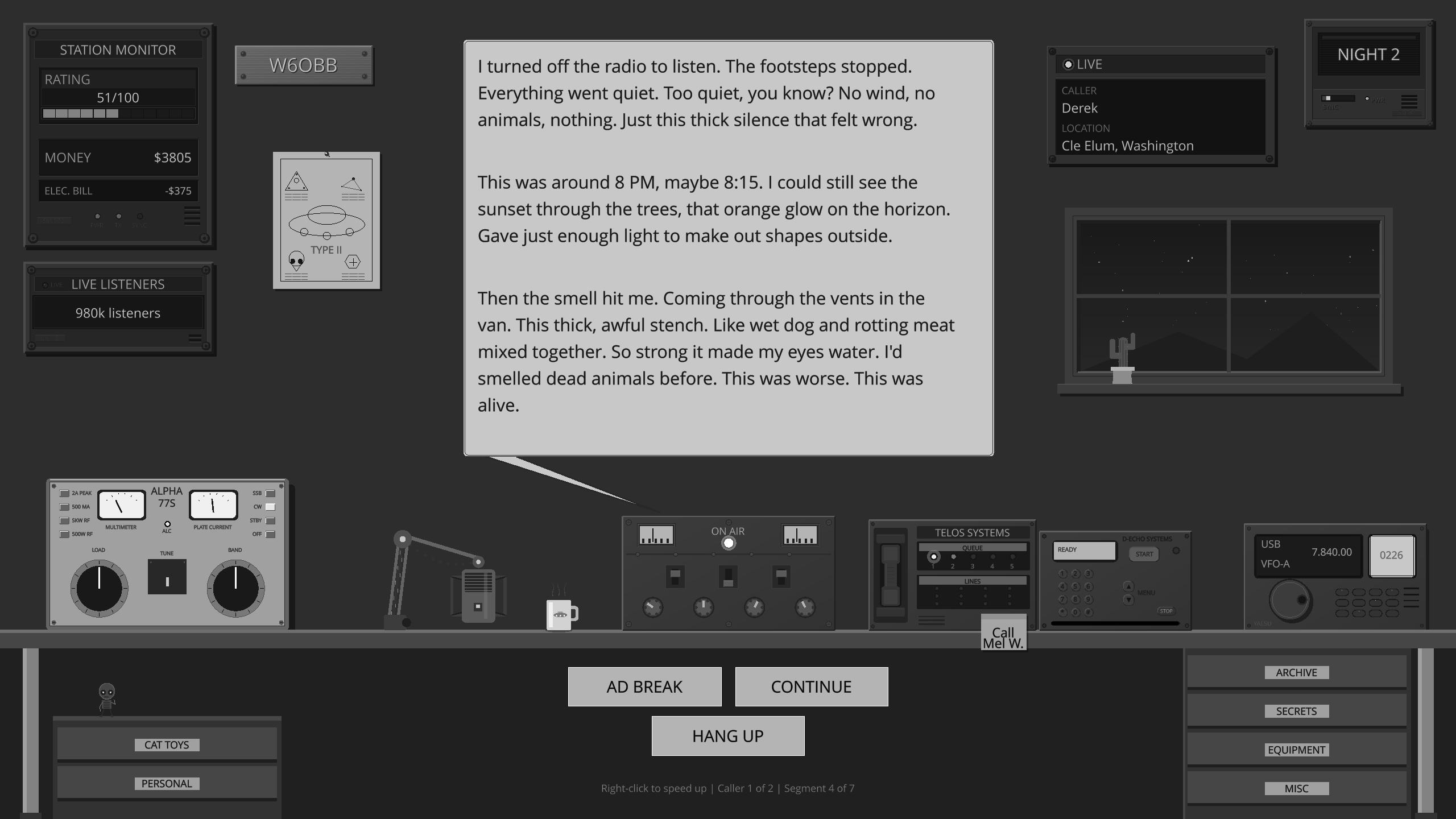
Ever wanted to host your own late-night paranormal radio show?
Across the Airwaves
You're on the air. Callers bring Mothman, Fresno Nightcrawlers, UFO sightings, reptilian autopsies, and whispers about AATIP and Project Blue Book. Every reply shapes how the night goes.
AI-Generated Summary
This document is a historical overview of demonology and occult literature, detailing the evolution of demonic hierarchies and folklore. It serves as a reference for the various classifications of demons found in historical grimoires and theological texts.
This article, titled 'Who's Who in Hell' by Ken Nahigian, provides a historical and thematic overview of demonology, occult traditions, and the classification of demonic entities as understood through various grimoires and theological texts. The author traces the evolution of the concept of evil spirits from ancient Mesopotamian, Persian, and Hebrew traditions through the medieval period and into modern occultism. The text details the hierarchical structures often attributed to demonic forces, citing specific grimoires such as the Lemegeton, the Grand Grimoire, and the Pseudomonarchia Daemonum. It explores the roles of various figures, including John Wierus, Cornelius Agrippa, and MacGregor Mathers, in codifying these beliefs. The article discusses the perceived nature of demons, their alleged abilities to influence human affairs, and the methods historically used to repel them, such as the use of holy relics or specific natural objects. Furthermore, it examines the folklore surrounding incubi and succubi, the role of the Church in shaping these narratives, and the intersection of demonology with literature, such as Dante Alighieri's works and John Milton's Paradise Lost. The document serves as a compendium of historical demonological lore, categorizing entities by their supposed functions, geographic domains, and ranks within a complex, albeit inconsistent, infernal hierarchy.
Eliminate evil and there can be no desire for something better, no motivation to change, no evolution, no ideals.
PDF not loading? Download the PDF directly
Key Persons
- Aleister CrowleyOccultist
- Anton LaVeyOccultist
- John WierusDemonologist
- Cornelius AgrippaDemonologist
- MacGregor MathersOccultist
- Eliphas LéviOccultist