Declassified UFO / UAP Document
DIS Scientific & Technical Memorandum 55/2/00: Working Paper No. 4 and Working Paper No. 5
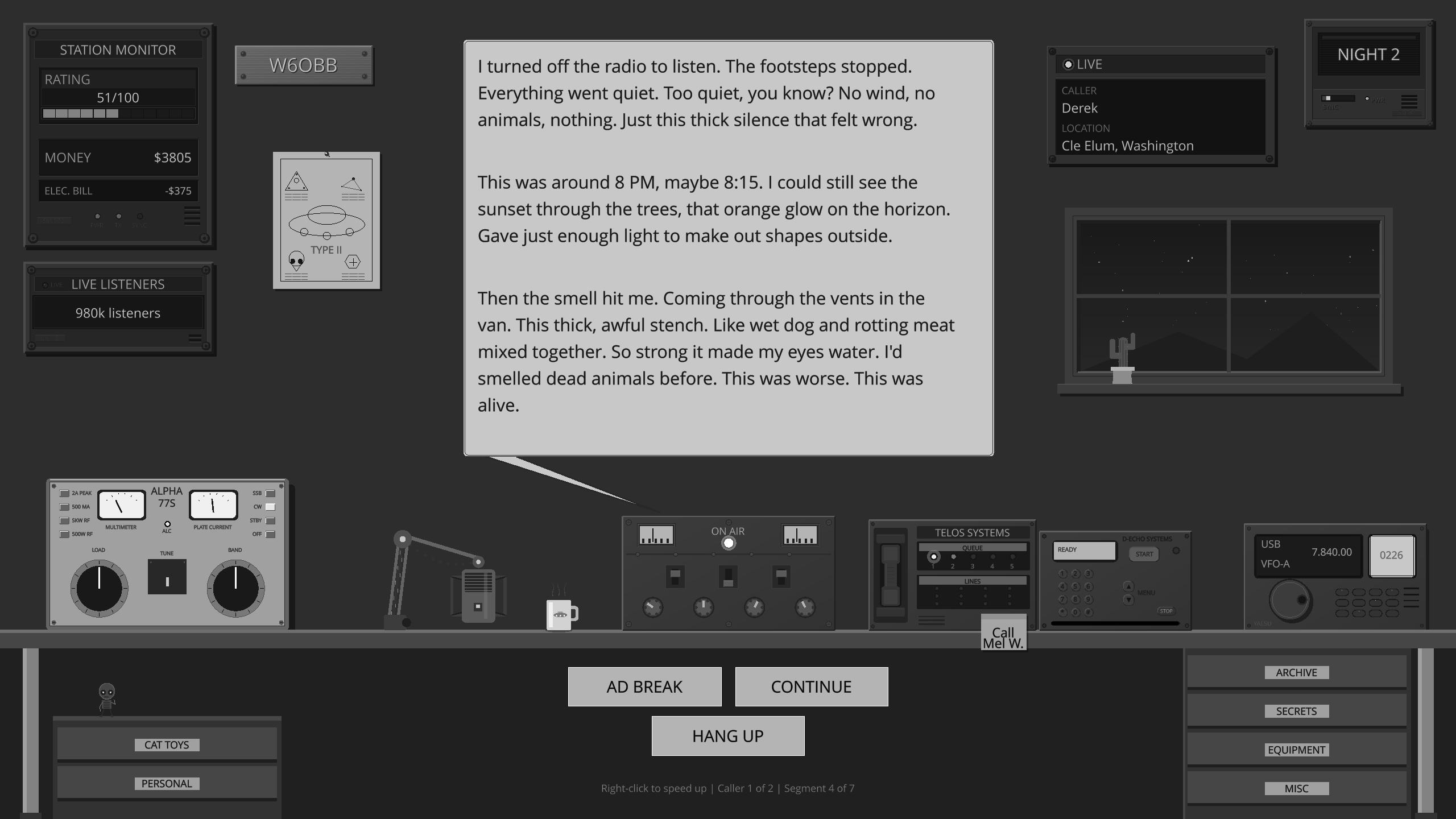
Ever wanted to host your own late-night paranormal radio show?
Across the Airwaves
You're on the air. Callers bring Mothman, Fresno Nightcrawlers, UFO sightings, reptilian autopsies, and whispers about AATIP and Project Blue Book. Every reply shapes how the night goes.

AI-Generated Summary
This document provides a scientific assessment of UAP, proposing that many sightings are physiological after-images or radar reflections from plasma. It includes technical analysis of radar scattering and human visual perception to explain UAP characteristics.
This document, titled DIS Scientific & Technical Memorandum 55/2/00, dated February 1, 2000, comprises two working papers (No. 4 and No. 5) concerning the scientific analysis of Unidentified Aerial Phenomena (UAP). Working Paper No. 4 investigates the physiological phenomenon of after-images resulting from flashes of light. It posits that many UAP reports of intense, short-duration lights may be explained by retinal after-images rather than external objects. The paper details how the human eye processes light, noting that after-images can persist for up to five minutes and that observers may misinterpret these images as independent, long-duration phenomena. It further suggests that multiple witnesses of a UAP event are unlikely to experience the same after-image simultaneously unless they are in very close proximity. Working Paper No. 5 focuses on the detection of UAP by radar. It explores the technical requirements for radar detection and discusses why UAP might evade radar, including low radar reflectivity, the filtering of 'spurious' responses by automated systems, and the potential for UAP to be composed of plasma or 'dusty' plasmas. The paper provides mathematical models for radar reflection from plasma and discusses the potential for ball lightning to act as a radar reflector. It notes that radar detection of UAP is inconsistent, suggesting that the objects may not be solid, but rather variable in composition or orientation. The document references historical radar incidents, including NATO radar detections in December 1989 and various UK-based radar observations, to support the theory that UAP may be plasma-based phenomena rather than solid craft.
Clearly, UAP response to radar is variable, otherwise all the radars would see all the objects which entered their respective coverage zones all the time.
PDF not loading? Download the PDF directly
Official Assessment
UAP sightings may be attributed to after-images caused by flashes of light, or radar reflections from plasma or dusty plasmas. Radar detection of UAP is variable and likely depends on the electron density of the target.
Key Persons
- J. RandlesAuthor of Figure 1: High Incidence UAP Locations
- G.S. BrindleyAuthor of cited physiological study
- C.A. PadghamAuthor of cited visual study
- LaHoz.CAuthor of cited radar study