Declassified UFO / UAP Document
The Reliability of UFO Witness Testimony
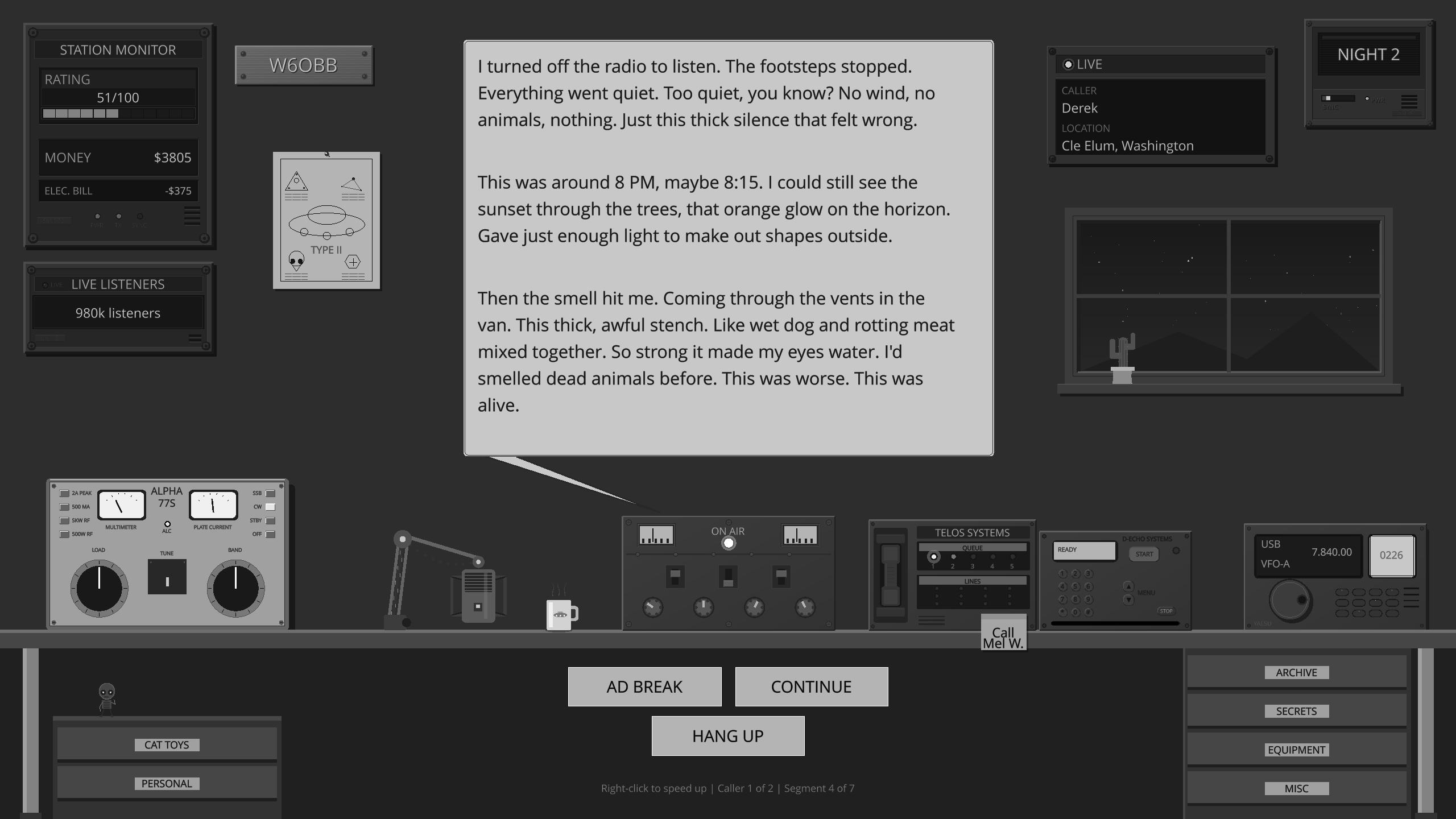
Ever wanted to host your own late-night paranormal radio show?
Across the Airwaves
You're on the air. Callers bring Mothman, Fresno Nightcrawlers, UFO sightings, reptilian autopsies, and whispers about AATIP and Project Blue Book. Every reply shapes how the night goes.

AI-Generated Summary
This book is a collection of academic papers arguing that UFO witness testimony is unreliable and that UFO reports are primarily a psycho-sociocultural phenomenon. It emphasizes the fallibility of human memory and perception, suggesting that most UFO sightings are misinterpretations of mundane stimuli.
This document is a compilation of academic papers and case studies edited by V.J. Ballester-Olmos and Richard W. Heiden, published by UPIAR in 2023. The central thesis of the work is that UFO witness testimony is fundamentally unreliable and that the UFO phenomenon is best understood as a psycho-sociocultural construct rather than a physical reality involving extraterrestrial visitors. The editors and contributors, who include psychologists, social scientists, and researchers, argue that the 'UFO event' is essentially a myth in progress, fueled by human imagination, cultural iconography, and the fallibility of human perception and memory. The book is divided into seven sections: Case Studies, Psychological Perspectives, On Witness Testimony, Empirical Research, Anthropological Approach, Metrics and Scaling, and Epistemological Issues. The case studies presented, such as the Phoenix Lights, the Cash-Landrum case, and the Pascagoula abduction, are analyzed through a skeptical lens, with contributors demonstrating how these events are often misinterpretations of mundane stimuli, such as satellite reentries, military flares, or astronomical phenomena, which are then transformed into dramatic narratives through the influence of media, cultural expectations, and memory distortion. The psychological perspectives section explores the mechanisms behind these reports, including dissociation, sleep paralysis, false memories, and the role of hypnosis in creating or reinforcing these narratives. The anthropological approach examines how UFO lore functions as a modern mythology, providing meaning and structure to human existential anxieties. The editors emphasize that while the UFO phenomenon is a legitimate object of study for the social sciences, the 'UFO = alien' binomial is unsustainable based on the available evidence. They advocate for a more rigorous, scientific approach to investigating these reports, focusing on the human element and the psychological and social factors that shape witness testimony, rather than assuming an extraterrestrial origin.
The acceptance of a true anomaly behind UFO sightings lies in the dogma that the testimony of witnesses is absolutely reliable, even if the stories told are abnormal by mainstream science standards. But this is far from certain; it is merely a presumption that matches the fantasies of the proponents.
PDF not loading? Download the PDF directly
Official Assessment
The editors and contributors argue that UFO reports are primarily a psycho-sociocultural phenomenon rather than evidence of extraterrestrial visitation. They emphasize the fallibility of human memory and perception, the role of cultural myths, and the lack of verifiable physical evidence.
Key Persons
- Kenneth ArnoldBusinessman who reported the 1947 sighting that coined the term 'flying saucer'
- Leonard S. NewmanExperimental social psychologist and author of the Foreword
- Robert SalasUfologist and proponent of the Echo Flight incident