Declassified UFO / UAP Document
TAKE 2 OF 2 -- AIR DEFENSE FORCES CHIEF INTERVIEWED
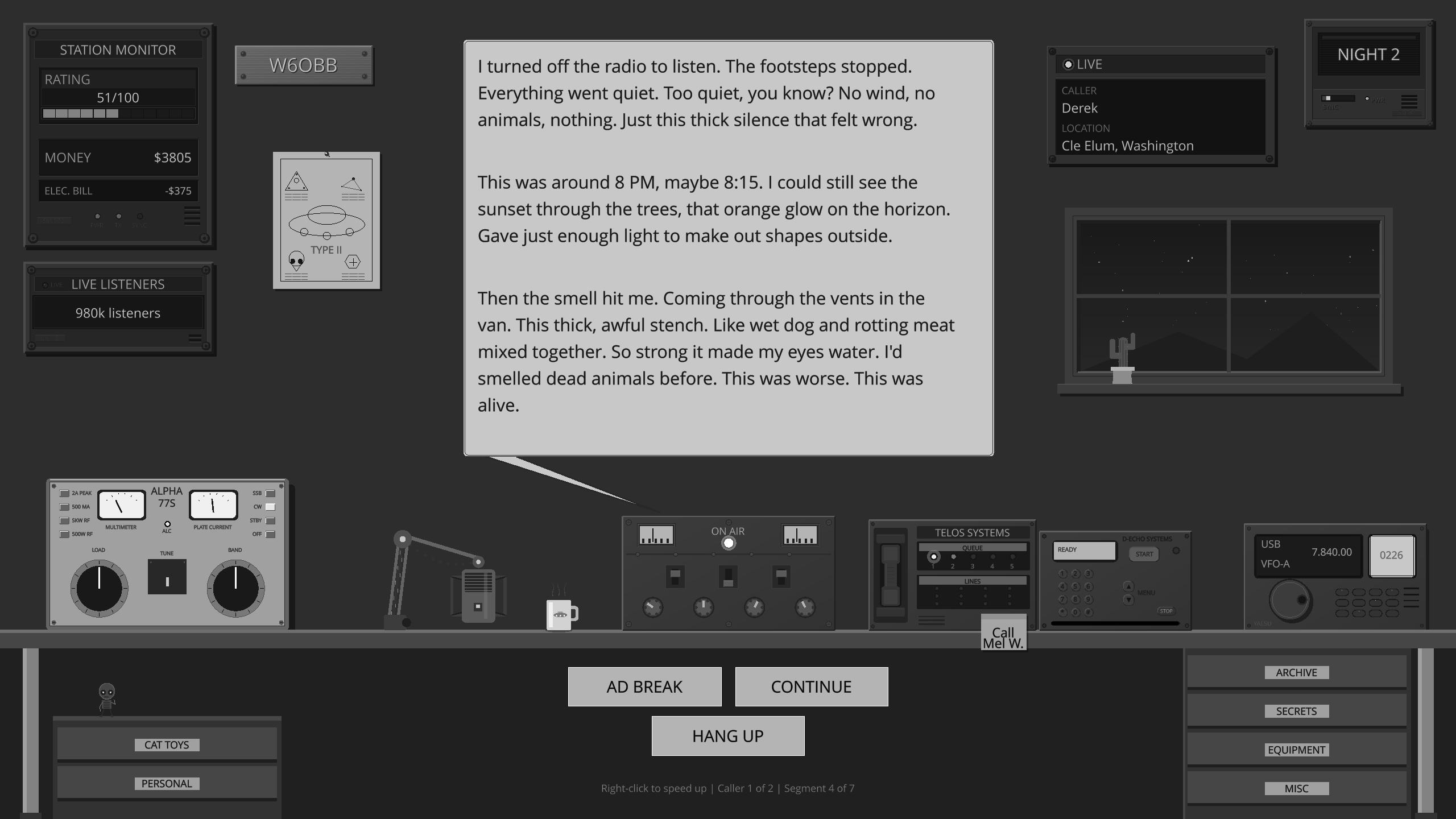
Ever wanted to host your own late-night paranormal radio show?
Across the Airwaves
You're on the air. Callers bring Mothman, Fresno Nightcrawlers, UFO sightings, reptilian autopsies, and whispers about AATIP and Project Blue Book. Every reply shapes how the night goes.

AI-Generated Summary
A 1991 interview with the Soviet PVO Commander in Chief discussing military readiness, the Persian Gulf War, and the official stance on UFOs. The Commander expresses skepticism regarding UFOs but acknowledges the potential for advanced technological development.
This document is a transcript of an interview with the Commander in Chief of the Soviet Air Defense Forces (PVO), identified as Tretyak, conducted by Vovnenko. The discussion centers on the strategic posture of the Soviet military in the wake of the Persian Gulf War. Tretyak emphasizes the need for constant combat readiness against potential air attacks, noting that the PVO must be prepared at all times. The conversation touches upon the performance of various aircraft and missile systems, specifically mentioning the American Patriot system, which Tretyak acknowledges has evolved from an anti-aircraft weapon into an anti-missile system. The interview also addresses the internal challenges facing the Soviet military, including significant budget cuts and the resulting impact on the modernization of equipment and the maintenance of combat readiness. Tretyak expresses concern that while quantitative cuts are being made, the quality of defense must be preserved, though he admits that re-equipment will be slower due to financial constraints. Toward the end of the interview, the subject of UFOs is briefly raised by the interviewer. Tretyak states that he does not personally believe in UFOs, but he expresses a belief that modern science and technology are capable of creating such spacecraft, suggesting that the phenomenon is something that requires observation and caution.
((TRETYAK)) AS YET I DO NOT. I BELIEVE SOMETHING ELSE, THAT MODERN SCIENCE AND TECHNOLOGY ARE CAPABLE OF CREATING SUCH SPACECRAFT THAT COULD APPEAR ABOVE US.
PDF not loading? Download the PDF directly
Official Assessment
The PVO Commander in Chief discusses the necessity of maintaining high combat readiness, the impact of budget cuts on military modernization, and the lessons learned from the Persian Gulf War regarding air defense systems like the Patriot.