Declassified UFO / UAP Document
Sagdeyev Discusses Space Missions, Policy, Mars Plans
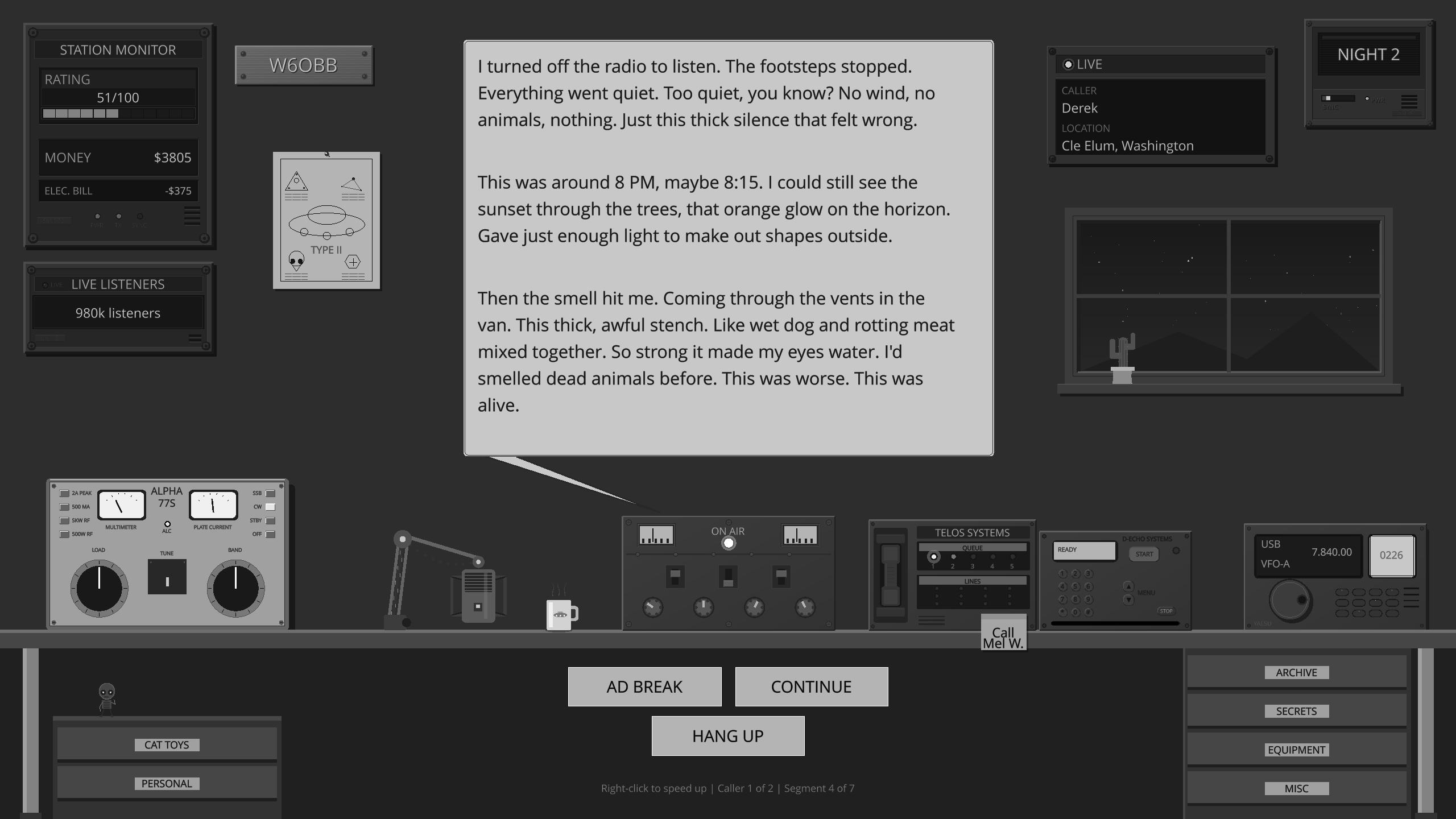
Ever wanted to host your own late-night paranormal radio show?
Across the Airwaves
You're on the air. Callers bring Mothman, Fresno Nightcrawlers, UFO sightings, reptilian autopsies, and whispers about AATIP and Project Blue Book. Every reply shapes how the night goes.

AI-Generated Summary
This 1989 JPRS report features an interview with Academician Roald Sagdeyev, who discusses the challenges and future of the Soviet space program. Sagdeyev calls for increased international cooperation, the democratization of scientific research, and the abandonment of bureaucratic 'secretiveness' to ensure the progress of Soviet cosmonautics.
This document is a transcript of an interview with Academician Roald Zinnurovich Sagdeyev, a prominent Soviet physicist and head of the USSR Academy of Sciences' Space Research Institute, published in the January 1989 issue of PRIRODA. The interview covers a wide range of topics concerning the Soviet space program during a period of significant political and economic transition (perestroika). Sagdeyev advocates for the internationalization of space research, arguing that space should not be an arena for competition but a field for collaborative scientific advancement. He highlights the Phobos project as a key endeavor, despite the loss of contact with the Phobos 1 probe in September 1988, and discusses future plans for Mars exploration, including the Mars 94 project. Throughout the interview, Sagdeyev is critical of the 'stagnant years' of the Soviet system, noting that bureaucratic 'secretiveness' and the lack of competitiveness hindered scientific progress. He calls for greater autonomy for research institutes, the democratization of scientific decision-making, and the integration of modern management practices. Sagdeyev also touches upon the relationship between the Soviet and American space programs, expressing hope for future joint missions and criticizing the political barriers that have prevented more effective cooperation. He reflects on the history of the space age, the importance of mathematical modeling in modern space research, and the need for the Soviet scientific community to move beyond the role of a 'junior partner' in global science. The interview concludes with a discussion on the necessity of reforming the USSR Academy of Sciences to better support young scientists and foster genuine innovation.
I think that, then, we put ourselves too often in the position of the junior partner, and we did not courageously defend the interests of science.
PDF not loading? Download the PDF directly
Official Assessment
The document details an interview with Academician Roald Sagdeyev regarding the state of the Soviet space program in 1989. Sagdeyev emphasizes the need for international cooperation, the democratization of scientific institutions, and the importance of moving away from 'secretiveness' and administrative command methods. He discusses specific projects like Phobos, Mars 94, and the Interbol project, while expressing frustration with bureaucratic inefficiencies and the lack of competitiveness in the Soviet aerospace industry.
Key Persons
- N. D. MorozovayaCorrespondent
- L. A. ArtsimovichAcademician
- Frederic ScarfAmerican physicist and researcher
- G. N. BabakinEnthusiast/Designer
- M. S. GorbachevGeneral Secretary
- V. P. KabaidzeGeneral director of the Ivanovo Machine-Tool Production Association
- L. I. AbalkinAcademician
- M. V. KeldyshAcademician
- G. I. MarchukPresident of the USSR Academy of Sciences