Declassified UFO / UAP Document
Recherche de Stereotypes : Dessine-moi un OVNI (Note Technique No 15)
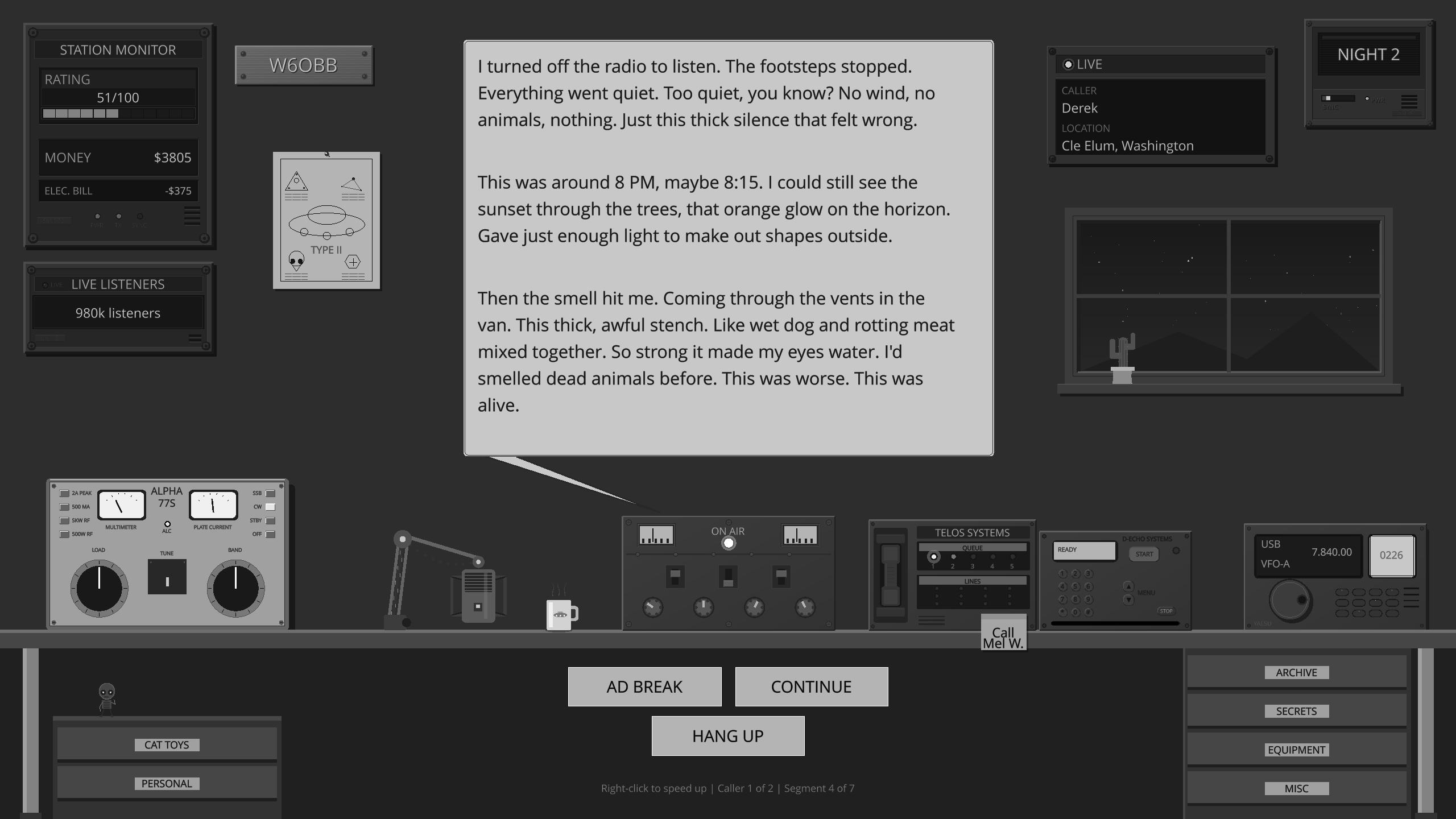
Ever wanted to host your own late-night paranormal radio show?
Across the Airwaves
You're on the air. Callers bring Mothman, Fresno Nightcrawlers, UFO sightings, reptilian autopsies, and whispers about AATIP and Project Blue Book. Every reply shapes how the night goes.
AI-Generated Summary
This 1983 GEPAN technical note reports on a sociological survey of 1,195 people in Haute-Garonne, France, regarding their mental representations of UFOs. It concludes that public perceptions are largely social constructs shaped by media, identifying four distinct behavioral stereotypes among the population.
This technical note, published by the GEPAN (Groupe d'Etude des Phénomènes Aérospatiaux Non-Identifiés) of the Centre National d'Etudes Spatiales (CNES) on February 10, 1983, details a sociological survey conducted in the Haute-Garonne department of France. The survey, titled 'Recherche de Stereotypes : Dessine-moi un OVNI' (Research on Stereotypes: Draw me a UFO), was carried out between March 15 and March 21, 1982, by 170 students from the I.U.T. of Statistics at the University of Toulouse-le-Mirail. The primary objective was to investigate the social and individual representations of the term 'UFO' (OVNI) and to determine if these representations are influenced by social groups or cultural factors. The researchers, Philippe Besse and Manuel Jimenez, argue that individuals in Western culture possess a mental representation of what a UFO is, which is primarily visual. The study utilized a sample of 1,195 individuals, selected using quota sampling methods to ensure representativeness regarding residence, sex, age, and socio-professional category. The methodology involved a questionnaire designed to elicit spontaneous descriptions of UFOs, followed by questions about the respondent's interest in the subject, their media consumption, and their beliefs regarding scientific explanations. The authors note that the survey results are descriptive rather than causal. The analysis, which included factor analysis, revealed that the population could be divided into distinct behavioral types: 'Ufophobes,' who express little interest and often refuse to describe a UFO; 'Ufophiles,' who are highly interested, consume UFO-related media, and often attribute UFOs to extra-terrestrial origins; and 'Skeptics,' who seek rational explanations such as military aircraft or natural phenomena. The study found that for a significant portion of the population, the 'stereotypical' UFO is described as a round, red, luminous, silent object following a rectilinear trajectory, observed during a summer night in the countryside. The authors conclude that these descriptions are heavily influenced by media portrayals, noting that journalists like Jean-Claude Bourret are often cited more frequently than specific books or scientific sources. The document includes detailed annexes covering the questionnaire, survey instructions, statistical frequencies, histograms, and factor analysis results, providing a comprehensive overview of the study's data and methodology.
toute personne appartenant à la culture occidentale a une représentation mentale de ce qu'est un OVNI, cette représentation est en particulier visuelle
PDF not loading? Download the PDF directly
Official Assessment
The study identified four behavioral stereotypes regarding UFOs: 'Ufophobes' (non-responders), 'General trend' (red sphere), 'Skeptics' (luminous star), and 'Ufophiles' (10-meter saucer/extra-terrestrial).
Key Persons
- Jean-Claude BOURRETJournalist cited by respondents