Declassified UFO / UAP Document
Meeting of Upper Atmosphere Rocket Research Panel
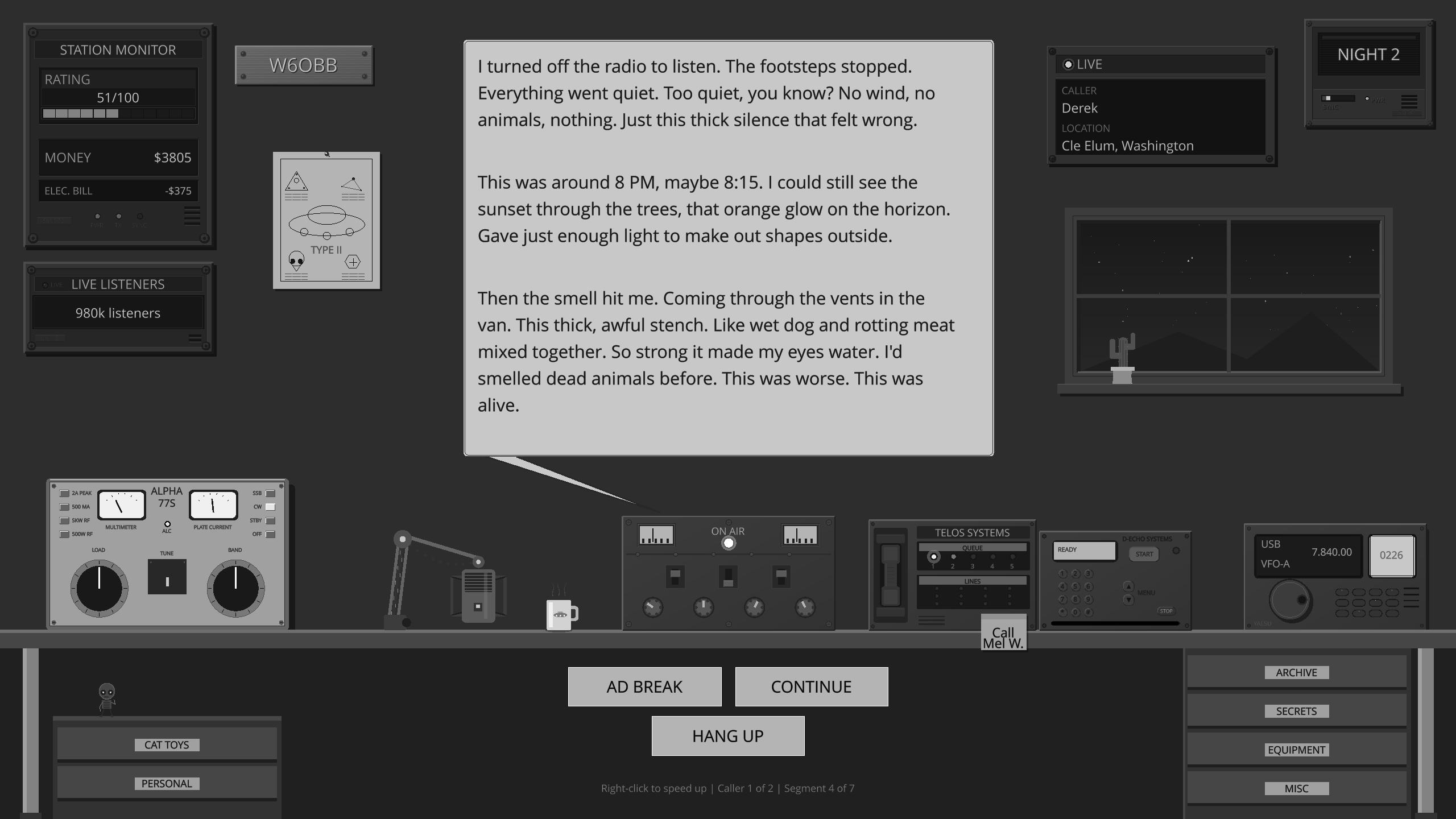
Ever wanted to host your own late-night paranormal radio show?
Across the Airwaves
You're on the air. Callers bring Mothman, Fresno Nightcrawlers, UFO sightings, reptilian autopsies, and whispers about AATIP and Project Blue Book. Every reply shapes how the night goes.

AI-Generated Summary
This 1954 memorandum details a meeting of the Upper Atmosphere Rocket Research Panel regarding the development of satellite vehicles and high-altitude rocket research. It outlines a three-phase plan for satellite deployment and discusses technical challenges and coordination between military and civilian research entities.
This memorandum for the record, dated September 16, 1954, documents a meeting of the Upper Atmosphere Rocket Research Panel held at the Naval Research Laboratory in Anacostia. The panel, chaired by Dr. James A. Van Allen, was established in 1946 to coordinate upper atmosphere research. The meeting focused on two primary areas: high-altitude and satellite vehicles, and the logistics associated with them. The document outlines the history of the panel, noting its informal support by the Office of Naval Research and its collaboration with various academic and military institutions, including the University of Michigan, the Air Force Cambridge Research Center, and the National Science Foundation. A significant portion of the discussion centered on the development of satellite vehicles (ISV). Dr. Van Allen presented a three-phase plan for the ISV: first, the placement of an uninstrumented observable object in orbit; second, the placement of an instrumented vehicle; and third, the placement of a manned satellite vehicle. The panel discussed the technical challenges of these phases, including the development of reliable power plants, weight reduction, and the necessity of precise orbital orientation. Specific rocket systems were reviewed, including the Viking, which could carry payloads to 135 miles, and the Aerobee, which could reach 60 miles. The panel also discussed the Redstone missile and the Loki booster system. The author, P. G. Stare, reflects on the meeting, highlighting the challenges of obtaining scientific data from rockets and the success of a specific fuse design. The document underscores the high-level coordination between the U.S. military and civilian scientific community to advance rocket technology and satellite capabilities during the early Cold War period.
The panel was formed in 1946 by representatives of various organizations which were concerned with upper atmosphere research through rocketry.
PDF not loading? Download the PDF directly
Official Assessment
The document details the proceedings of the Upper Atmosphere Rocket Research Panel, focusing on the development of satellite vehicles (ISV) and high-altitude rocket research. It discusses the capabilities of various rockets like the Viking and Aerobee, and outlines a three-phase plan for satellite development, starting with uninstrumented objects and progressing to manned satellite vehicles. It also notes the coordination between military branches and civilian scientific institutions.
Key Persons
- James A. Van AllenChairman of the Upper Atmosphere Rocket Research Panel
- Fred WhippleHarvard Observatory representative
- Fred SingerUniversity of Maryland representative