Declassified UFO / UAP Document
The Conquest of Illusion
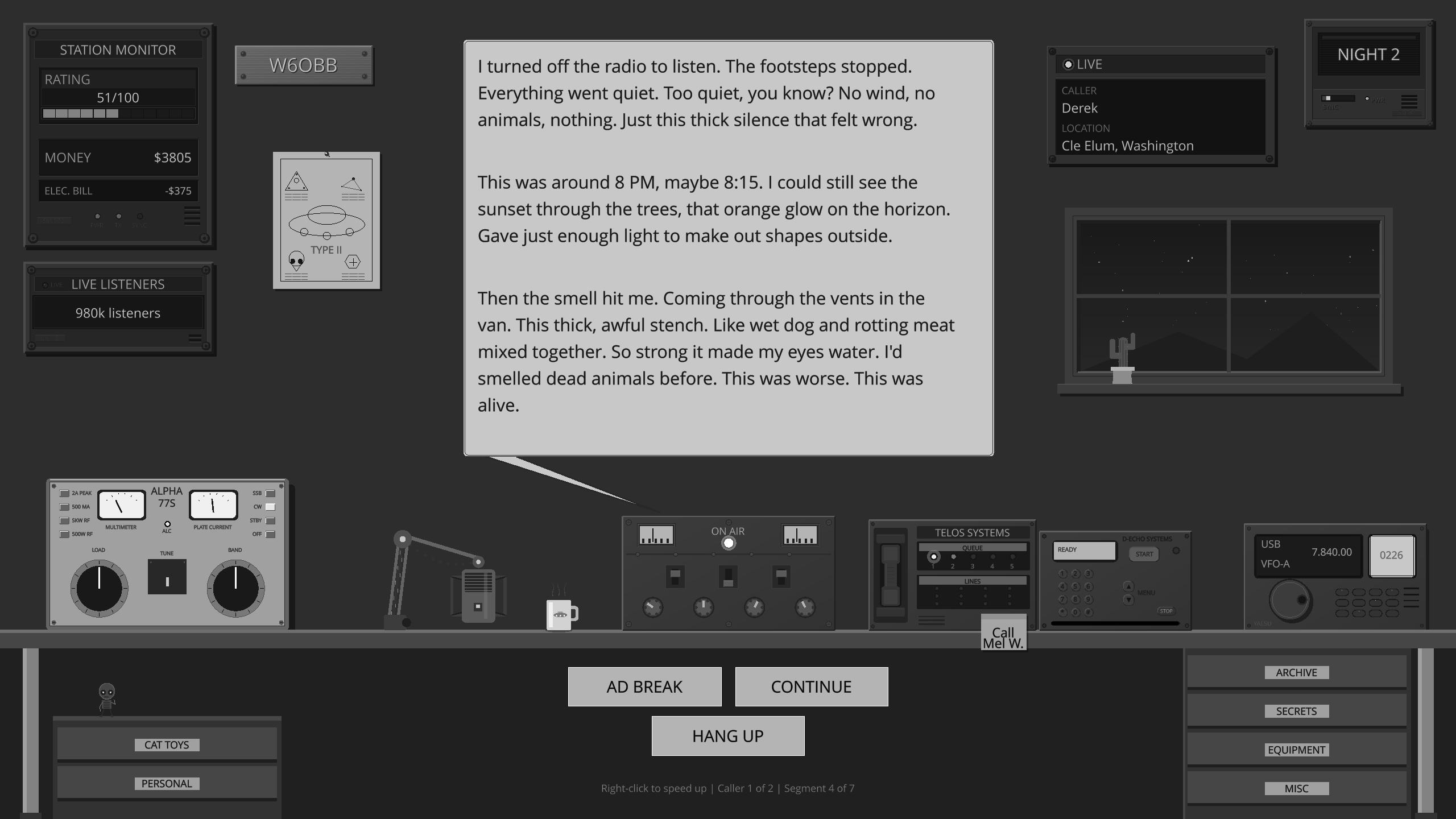
Ever wanted to host your own late-night paranormal radio show?
Across the Airwaves
You're on the air. Callers bring Mothman, Fresno Nightcrawlers, UFO sightings, reptilian autopsies, and whispers about AATIP and Project Blue Book. Every reply shapes how the night goes.
AI-Generated Summary
This book is a philosophical treatise by J. J. van der Leeuw that argues human perception is limited by an illusory 'world-image.' It advocates for the use of intuition to transcend this duality and experience the Absolute reality.
The Conquest of Illusion, authored by J. J. van der Leeuw, is a philosophical work that explores the nature of human perception, the distinction between the relative world of appearances and the absolute world of reality, and the path toward spiritual realization. The author argues that human beings live in a state of illusion, perceiving the world through a 'world-image' constructed by the intellect and the senses. This world-image is a dualistic interpretation of reality, characterized by separateness, time, and space, which the author contends is not the true nature of existence. Van der Leeuw posits that the intellect, while useful for scientific investigation of the phenomenal world, is insufficient for understanding ultimate reality. Instead, he advocates for the development of intuition—a faculty of 'knowing by being'—to pierce the veil of illusion and experience the 'world of the Real.' The book examines various philosophical and religious problems, such as the mystery of creation, the nature of good and evil, the freedom of the will, the justice of life, and the immortality of the soul, through this lens of the Absolute versus the relative. The author suggests that many of these problems are 'wrong questions' born from the limitations of the intellect and the illusion of separateness. For instance, he argues that the problem of evil is a product of human dualistic thinking and that, in the Absolute, such distinctions lose their meaning. Similarly, he discusses the doctrine of karma and reincarnation as scientific explanations for the method of evolution, but notes that they do not solve the ultimate philosophical problem of injustice, which he believes is transcended only through the realization of unity. The work emphasizes that the goal of life is not to escape the world, but to perceive it in the 'light of the Eternal,' recognizing that all things are manifestations of the Absolute. The author concludes that philosophy should be a practical activity, leading to a transformation of consciousness where the individual realizes their oneness with all things, thereby achieving peace and liberation.
The Tao which can be expressed is not the unchanging Tao; the Name which can be named is not the unchanging Name.
PDF not loading? Download the PDF directly
Key Persons
- J. KrishnamurtiDedicatee
- NityānandaDedicatee
- PlatoPhilosopher cited
- EpictetusStoic philosopher cited
- BuckeAuthor cited regarding cosmic consciousness
- KantPhilosopher cited
- GoethePoet cited
- PlotinusPhilosopher cited
- OuspenskyAuthor cited
- RichetAuthor cited
- BesantAuthor cited
- Bhagavan DasAuthor cited
- Henry MorePlatonist philosopher mentioned
- Thomas VaughanRosicrucian mentioned
- KabirPoet cited
- + 20 more in document