Declassified UFO / UAP Document
Öga som ser 8 mil bara början
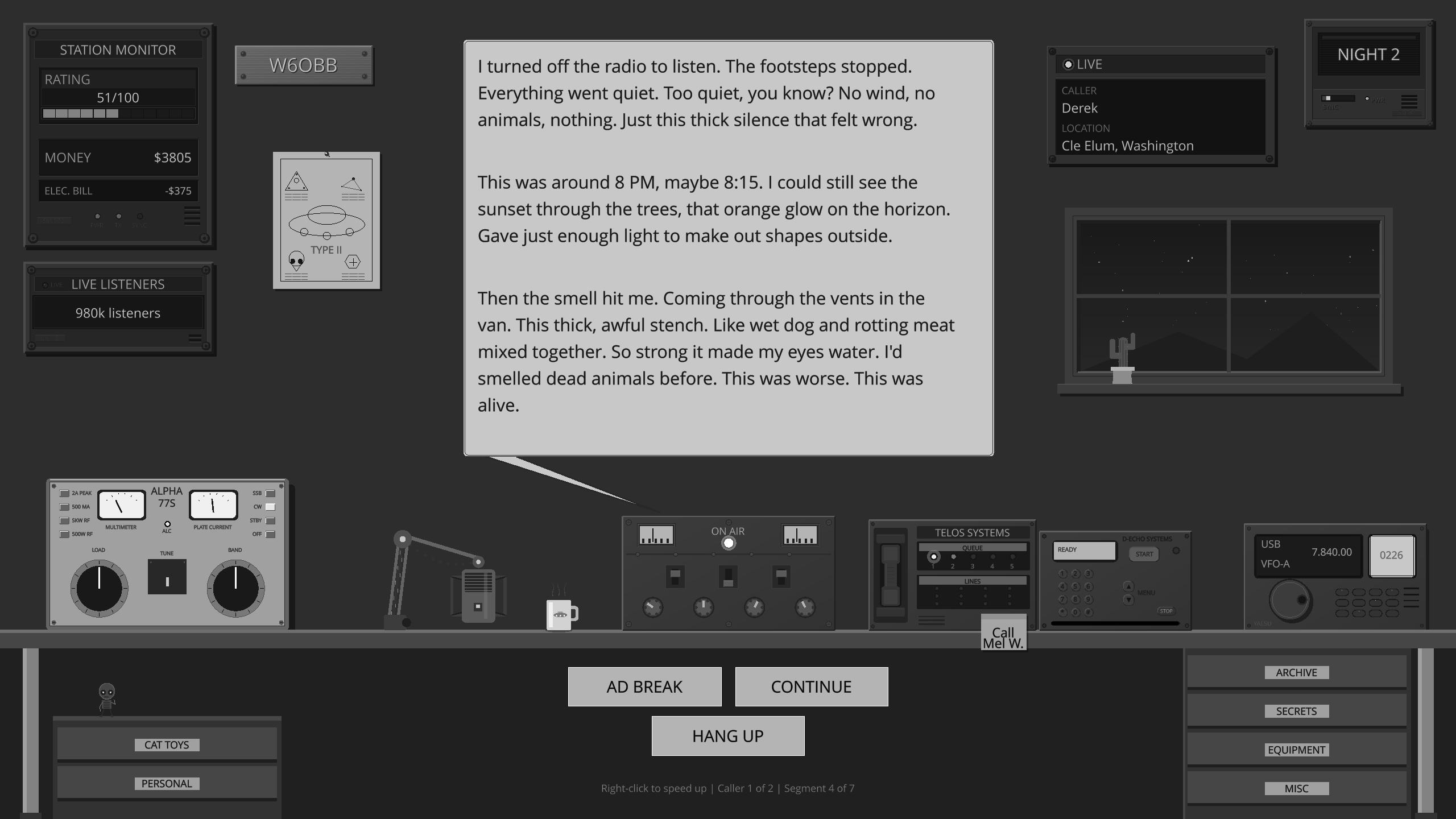
Ever wanted to host your own late-night paranormal radio show?
Across the Airwaves
You're on the air. Callers bring Mothman, Fresno Nightcrawlers, UFO sightings, reptilian autopsies, and whispers about AATIP and Project Blue Book. Every reply shapes how the night goes.

AI-Generated Summary
This article reports on the implementation of radar technology within the Swedish Air Force in 1944-1945. It describes the technical capabilities of the radar systems and the ongoing training efforts at the F 16 base.
This press article details the status of radar technology in Sweden during the mid-1940s. It highlights that despite limited foreign assistance, the Swedish State Invention Board successfully developed a functional radar apparatus during the war, earning recognition. The Swedish Air Force began receiving English-made radar units in the summer of 1944 and is currently in the process of equipping all its flotillas with this technology. Training for both officers and non-commissioned officers is being conducted at the F 16 base near Uppsala. The article describes the technical operation of the radar, which emits radio pulses with a duration of two microseconds to detect objects, providing data on bearing, distance, and altitude. Major L. Peyron, who demonstrates the equipment, emphasizes that the current 8-mile range is merely the beginning of radar's potential. He notes that while Sweden currently lags behind in research compared to the United States—which employs 8,000 people in radar research—there is a strong national effort to close this gap. The article concludes by illustrating the practical application of the radar, citing an instance where Captain S. Hedberg at the F 16 control tower tracked Captain Stålhandske's Mustang aircraft through clouds, demonstrating the system's ability to monitor flight paths and maneuvers.
Men major L. Peyron, som demonstrerar anläggningen, påpekar att detta bara är radars början.
PDF not loading? Download the PDF directly
Official Assessment
Sweden successfully developed its own radar technology during the war despite a lack of foreign assistance. The Swedish Air Force is currently equipping its flotillas with radar, and training is underway at F 16 in Uppsala. Major L. Peyron notes that current radar capabilities are only the beginning of a technology that will see significant future development.
Key Persons
- L. PeyronMajor
- StålhandskeCaptain
- S. HedbergCaptain, flight controller