Declassified UFO / UAP Document
Concatenated JPRS Reports, 1991
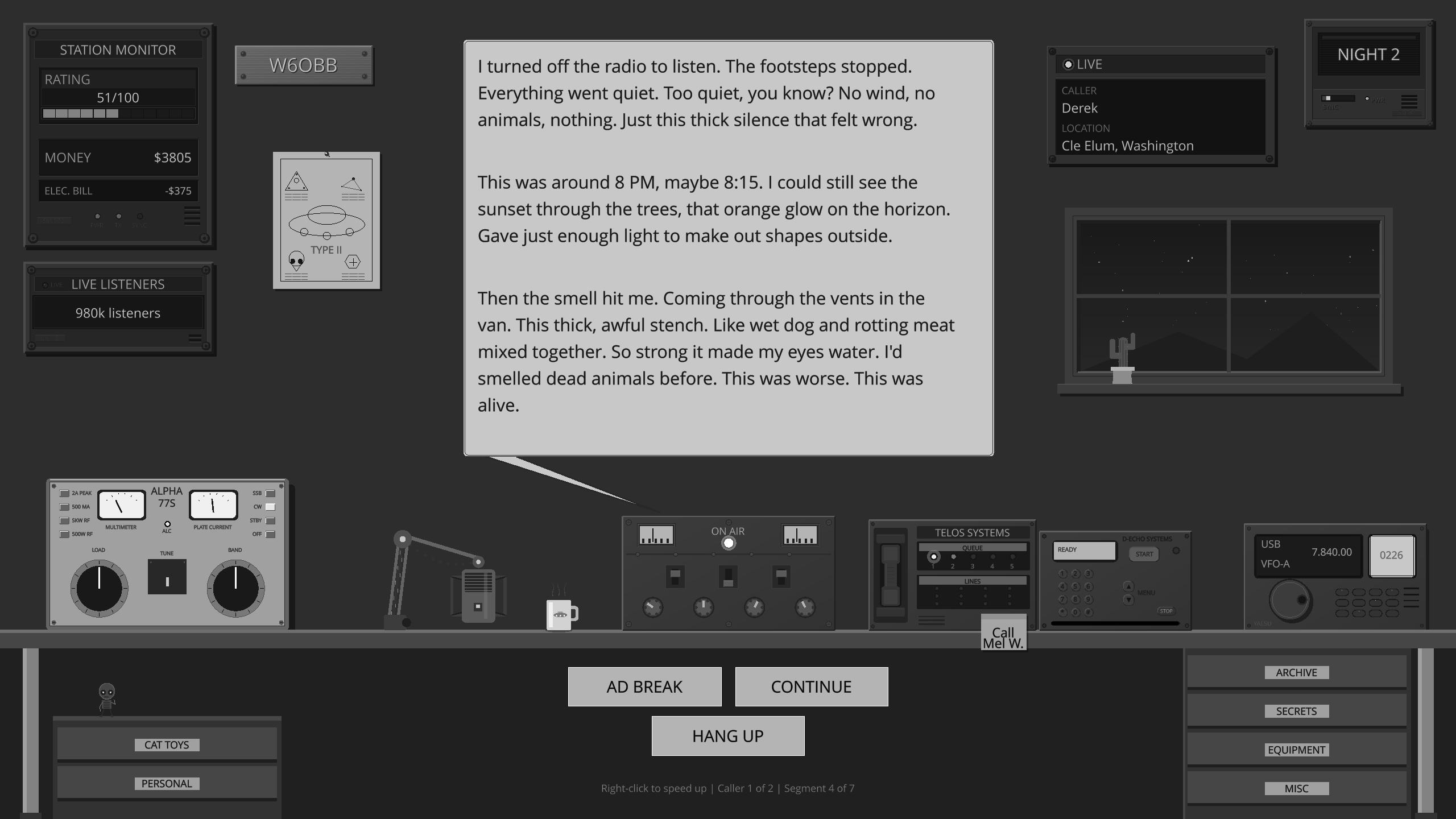
Ever wanted to host your own late-night paranormal radio show?
Across the Airwaves
You're on the air. Callers bring Mothman, Fresno Nightcrawlers, UFO sightings, reptilian autopsies, and whispers about AATIP and Project Blue Book. Every reply shapes how the night goes.

AI-Generated Summary
This 1991 JPRS report evaluates the history and future of space exploration, criticizing past prestige-driven programs and advocating for cost-effective, reusable launch systems and practical orbital infrastructure. It outlines technical requirements for future Mars missions, solar power plants, and modular space stations.
This document, a 1991 JPRS report, offers a comprehensive retrospective and prospective analysis of human space exploration. It begins by evaluating the achievements of the first thirty-three years of the space age, noting that while manned spaceflight has provided data on weightlessness and flight systems, it has not yet yielded fundamentally new scientific information. The author critiques the Apollo program as a costly endeavor driven by prestige rather than scientific necessity, arguing that the experience gained was underutilized after 1972. Similarly, the American Space Shuttle and Soviet Buran programs are criticized for their high costs and awkward design profiles, which failed to make space transport truly inexpensive.
The report transitions to future tasks in space, emphasizing the need for practical, economically beneficial operations. It proposes three categories of space activity: traditional environmental monitoring and communications; in-orbit production and research; and international monitoring systems to maintain peace. A significant portion of the text is dedicated to the concept of 'cloud-stations'—modular, autonomous orbital units that avoid the complexities of large, rigid structures like the Freedom space station. The author also explores the feasibility of orbiting solar electric power plants, suggesting that they could provide clean energy to Earth if launch costs are reduced by two orders of magnitude.
Regarding the exploration of the solar system, the document discusses the potential for a Mars mission, noting that while Mars is more accessible than other planets, the primary justification for a mission would be the search for life. It details the technical requirements for such a mission, including the use of electric engines to improve mass efficiency and the necessity of developing reusable transport systems. Finally, the report touches upon the theoretical aspects of interstellar travel, dismissing the transport of material bodies as impractical due to the vast distances and the limitations of current physics. Instead, it suggests that future interstellar communication might involve the transmission of information packages, reflecting on the philosophical nature of human consciousness and the potential for artificial intelligence to assist in future space endeavors.
The euphoria felt at the time by the project's developers and probably by most of the American people was understandable and quite natural: 'We're on the Moon! That's us on the Moon, and not those Russians who are eternally behind in everything.... Our natural position in space research has been restored (and our prestige, too).'
PDF not loading? Download the PDF directly
Official Assessment
The document provides a retrospective analysis of space exploration achievements, critiques the cost-effectiveness of the Apollo and Space Shuttle programs, and outlines future requirements for space operations, including the development of reusable launch vehicles, orbiting solar power plants, and potential space settlements.
Key Persons
- Sally RideAmerican astronaut
- J. O'HaleyProponent of space settlement projects
- N. ArmstrongAstronaut
- E. AldrinAstronaut