Declassified UFO / UAP Document
Bobby Ray Inman - NNDB Profile
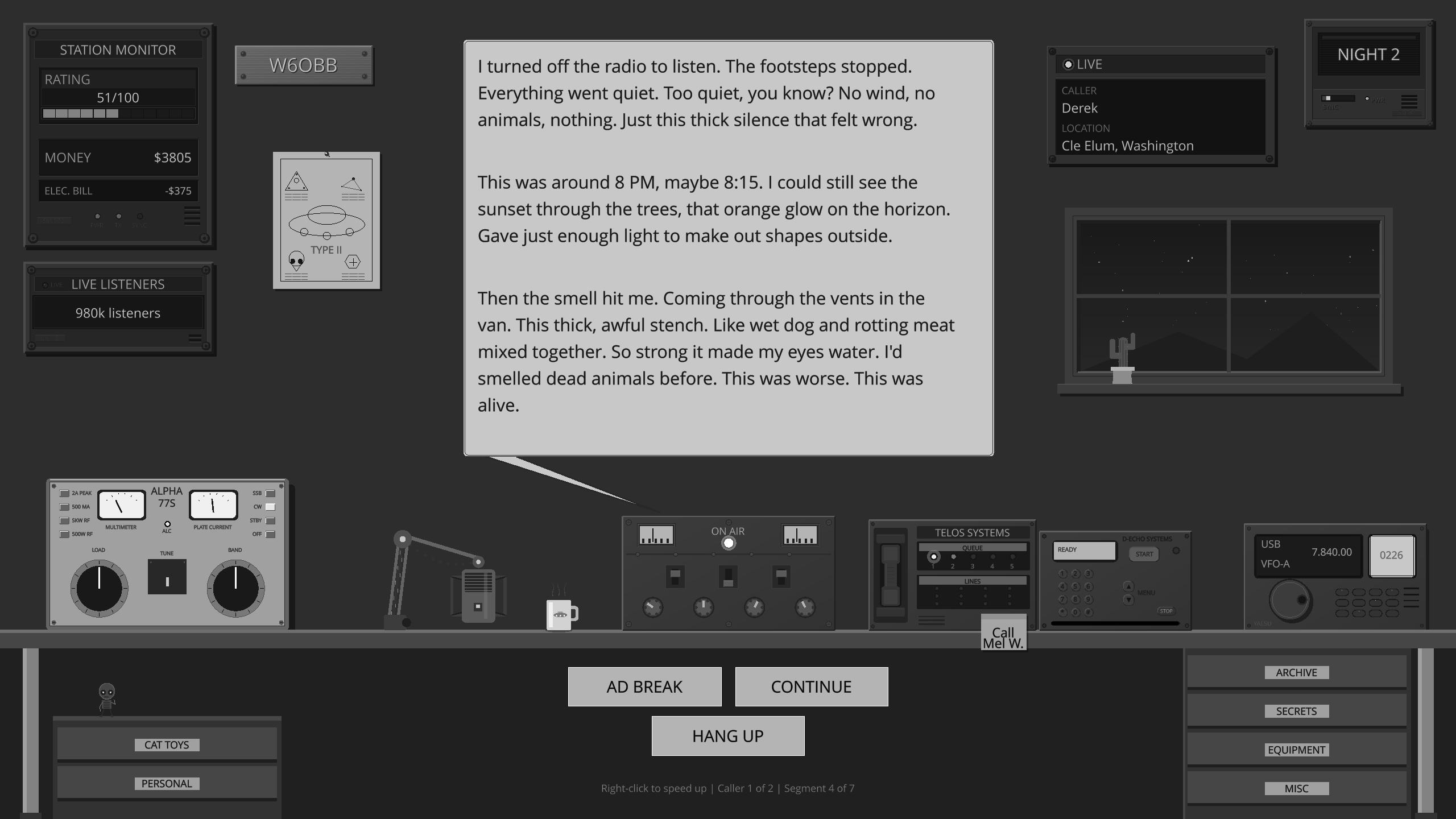
Ever wanted to host your own late-night paranormal radio show?
Across the Airwaves
You're on the air. Callers bring Mothman, Fresno Nightcrawlers, UFO sightings, reptilian autopsies, and whispers about AATIP and Project Blue Book. Every reply shapes how the night goes.
AI-Generated Summary
This document is a biographical profile of Admiral Bobby Ray Inman, detailing his career in the US Navy, NSA, and CIA. It is included in a UAP archive due to his professional associations with companies allegedly involved in secretive UAP research.
This document provides a biographical overview of Admiral Bobby Ray Inman, a career military officer and intelligence official. Born in 1931 in Rhonesboro, Texas, Inman served in the US Navy from 1951 to 1982, rising to the rank of four-star admiral. His career included significant leadership roles in the intelligence community, serving as Director of the National Security Agency (1977-1981) and Deputy Director of the Central Intelligence Agency (1981-1982). Following his military and intelligence career, Inman transitioned into the private sector, holding executive positions at the Microelectronics and Computer Technology Corporation and Westmark Systems, and serving on the boards of numerous corporations, including SAIC, Wackenhut, and Dell. In 1993, he was nominated by President Bill Clinton for the position of Secretary of Defense, though his nomination was eventually withdrawn following media scrutiny. The document also highlights Inman's views on national security, specifically his advocacy for 'security through obscurity' regarding cryptologic matters, and his administrative actions while at the CIA to limit the scope of satellite surveillance data provided to Israel. The document is archived as part of a UAP-related collection, noting that organizations such as Wackenhut and SAIC have been linked to allegations of secretive UAP work, specifically referencing a 1996 CSETI briefing to Congress.
While some people outside NSA express concern that the government has too much power to control nongovernmental cryptologic activities, in candor, my concern is that the government has too little.
PDF not loading? Download the PDF directly
Key Persons
- Bill ClintonPresident of the United States
- William SafireColumnist
- Oke ShannonAuthor of referenced document