Declassified UFO / UAP Document
Greater widespread functional connectivity of the caudate in older adults who practice kripalu yoga and vipassana meditation than in controls
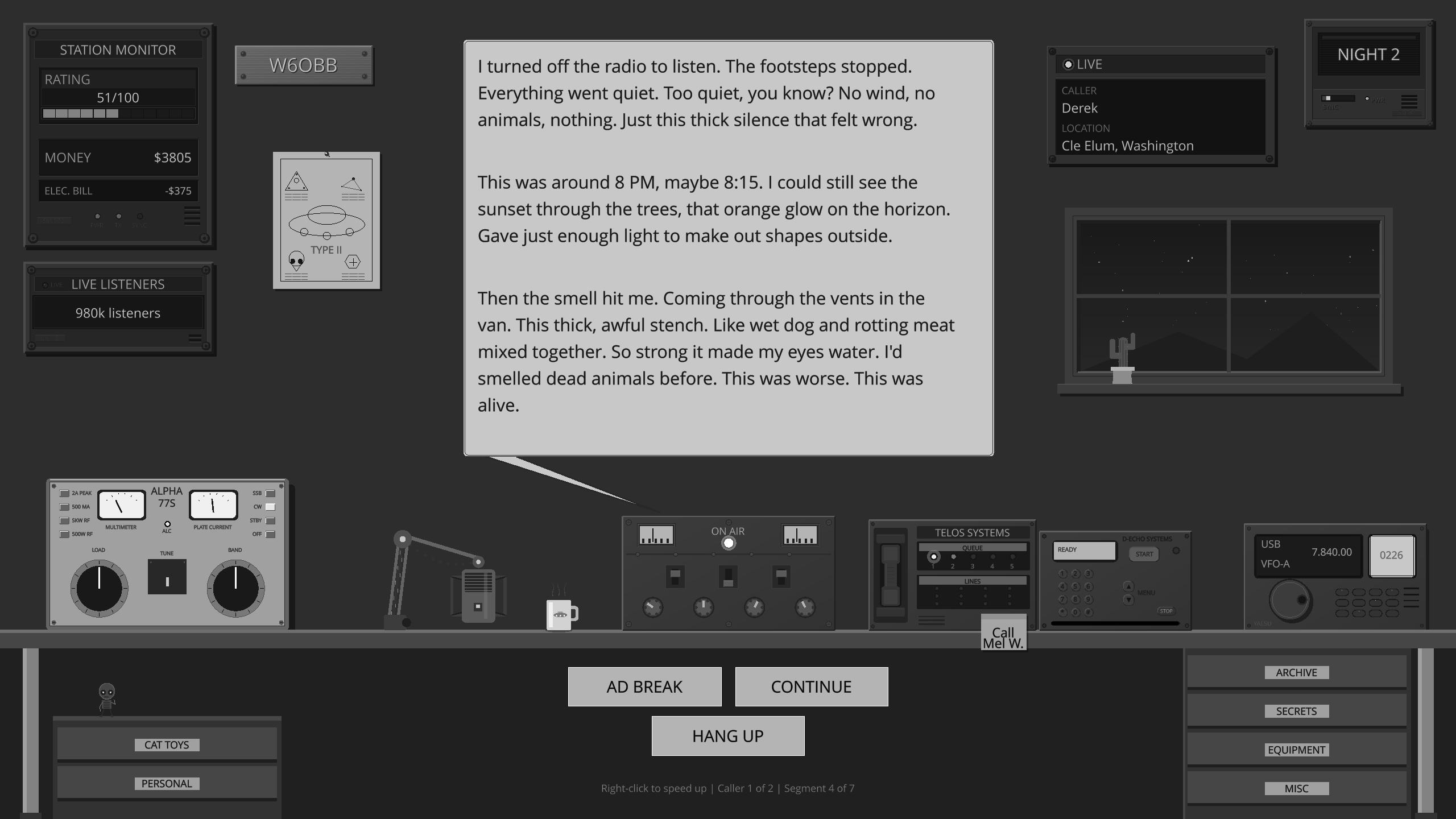
Ever wanted to host your own late-night paranormal radio show?
Across the Airwaves
You're on the air. Callers bring Mothman, Fresno Nightcrawlers, UFO sightings, reptilian autopsies, and whispers about AATIP and Project Blue Book. Every reply shapes how the night goes.

AI-Generated Summary
This study demonstrates that long-term yoga and meditation practitioners show increased functional connectivity in the caudate nucleus compared to controls. The findings suggest that these practices may enhance basal ganglia cortico-thalamic feedback loops, potentially supporting improved cognitive and mental health outcomes.
This academic research article, published in Frontiers in Human Neuroscience on March 16, 2015, investigates the neural correlates of long-term contemplative practices, specifically Kripalu yoga and Vipassana meditation. The authors, led by Tim Gard, sought to determine how these practices affect whole-brain resting-state functional connectivity in older adults. Utilizing a data-driven approach known as Network-Based Statistics (NBS), the researchers compared the brain networks of experienced practitioners against demographically matched controls. The study's primary finding is that the caudate nucleus serves as a central hub in the functional networks of these practitioners. Specifically, yoga and meditation practitioners demonstrated significantly greater degree centrality in the caudate than non-practitioners. This increased centrality was not the result of a single strong connection but rather reflected widespread, stronger connectivity between the caudate and numerous other brain regions, including those in the frontal, temporal, and parietal lobes. The researchers replicated these findings in an independent dataset of meditators and controls, strengthening the validity of the results despite differences in scanning parameters and hardware. The authors discuss these findings in the context of basal ganglia cortico-thalamic feedback loops, which are implicated in reinforcement learning, behavioral flexibility, and cognitive control. They hypothesize that the observed connectivity patterns may represent a mechanism through which contemplative practices contribute to improved mental health, well-being, and the mitigation of age-related cognitive decline. The paper acknowledges limitations, including the cross-sectional design, which precludes causal inferences, and the potential for age-related effects to confound the results. Despite these limitations, the study provides evidence that different contemplative traditions may share common neural mechanisms, specifically involving the caudate, and calls for further longitudinal research to clarify the relationship between these neural changes and behavioral outcomes.
Under conditions of circuit dysfunction, at one extreme excessive and repetitive actions or thoughts could result, and at the other extreme poverty of movement or thought could be the result.
PDF not loading? Download the PDF directly
Official Assessment
The study found that experienced yoga and meditation practitioners exhibit greater functional connectivity in the caudate compared to matched controls. This connectivity is not driven by specific connections but by widespread connectivity to multiple brain regions, suggesting more efficient basal ganglia cortico-thalamic feedback loops.
Key Persons
- Tim GardLead author
- Maxime TaquetCo-author
- Rohan DixitCo-author
- Britta K. HölzelCo-author
- Bradford C. DickersonCo-author
- Sara W. LazarCo-author