Declassified UFO / UAP Document
REPORT ON OPERATION "FLYING SAUCER"
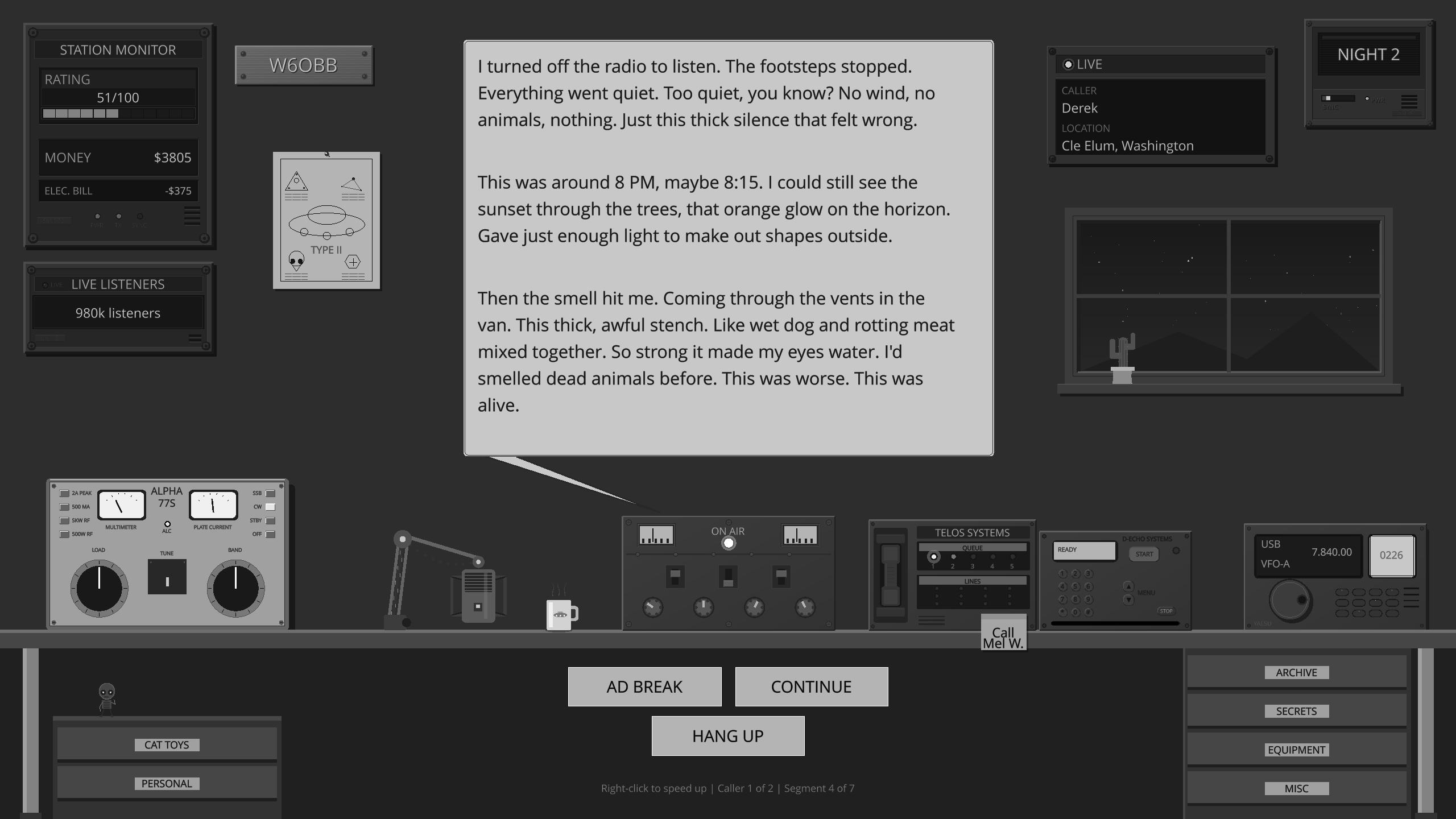
Ever wanted to host your own late-night paranormal radio show?
Across the Airwaves
You're on the air. Callers bring Mothman, Fresno Nightcrawlers, UFO sightings, reptilian autopsies, and whispers about AATIP and Project Blue Book. Every reply shapes how the night goes.

AI-Generated Summary
This report details the results of the RAAF's 'Operation FLYING SAUCER,' a 1953 air defence exercise in Sydney. It concludes that severe evasive maneuvers by Lincoln bombers were counterproductive to bombing accuracy and turret operation.
This document is a secret report dated 24th July 1953, authored by Group Captain D.W. Colquhoun of the Royal Australian Air Force (RAAF), No. 82 (Bomber) Wing, Amberley. The report details the results of 'Operation FLYING SAUCER,' an air defence exercise conducted in the Sydney area on the 20th and 21st of June 1953. The primary objective of the operation was to exercise the Air Defence Organisation of Sydney using a force of six Lincoln bombers carrying out simulated attacks. The report includes appendices covering concentration times on target, photographic bombing results, and gunnery results. The document outlines the navigation techniques used, noting the reliance on H2S radar and the challenges faced in maintaining concentration times due to fighter interception. A significant portion of the report is dedicated to the evaluation of evasive tactics. The Wing Weapons Officer concluded that severe evasive action by Lincoln aircraft was neither successful nor desirable, as it led to significant bombing errors, the toppling of gyros, and difficulties in turret operation. It was recommended that aircraft maintain tactical tracks without deviation while en route to the target. The report also highlights issues with equipment unserviceability, including radar (Lucero and H2S) and photographic equipment. The document concludes with recommendations for future exercises, emphasizing the need for better training, the importance of maintaining formation, and the necessity of providing bomber units with at least 24 hours' notice for proper briefing and organization. Despite the name 'Operation FLYING SAUCER,' the content is strictly focused on military training, bomber tactics, and air defence procedures.
And although evasive action interesting and "good fun" it is not part of role of heavy bomber aircraft on way to target.
PDF not loading? Download the PDF directly
Official Assessment
The exercise demonstrated that severe evasive action by Lincoln aircraft is not successful or desirable as it causes bombing errors and difficulty in turret operation. It was recommended that no evasive action be taken on the way to the target, and that Lincoln aircraft should act as part of a formation.
Key Persons
- D.W. COLQUHOUNGroup Captain, Officer Commanding No. 82 (B) Wing