Declassified UFO / UAP Document
Analysis of Uncorrelated Primary and Beacon Targets (JAL-1628)
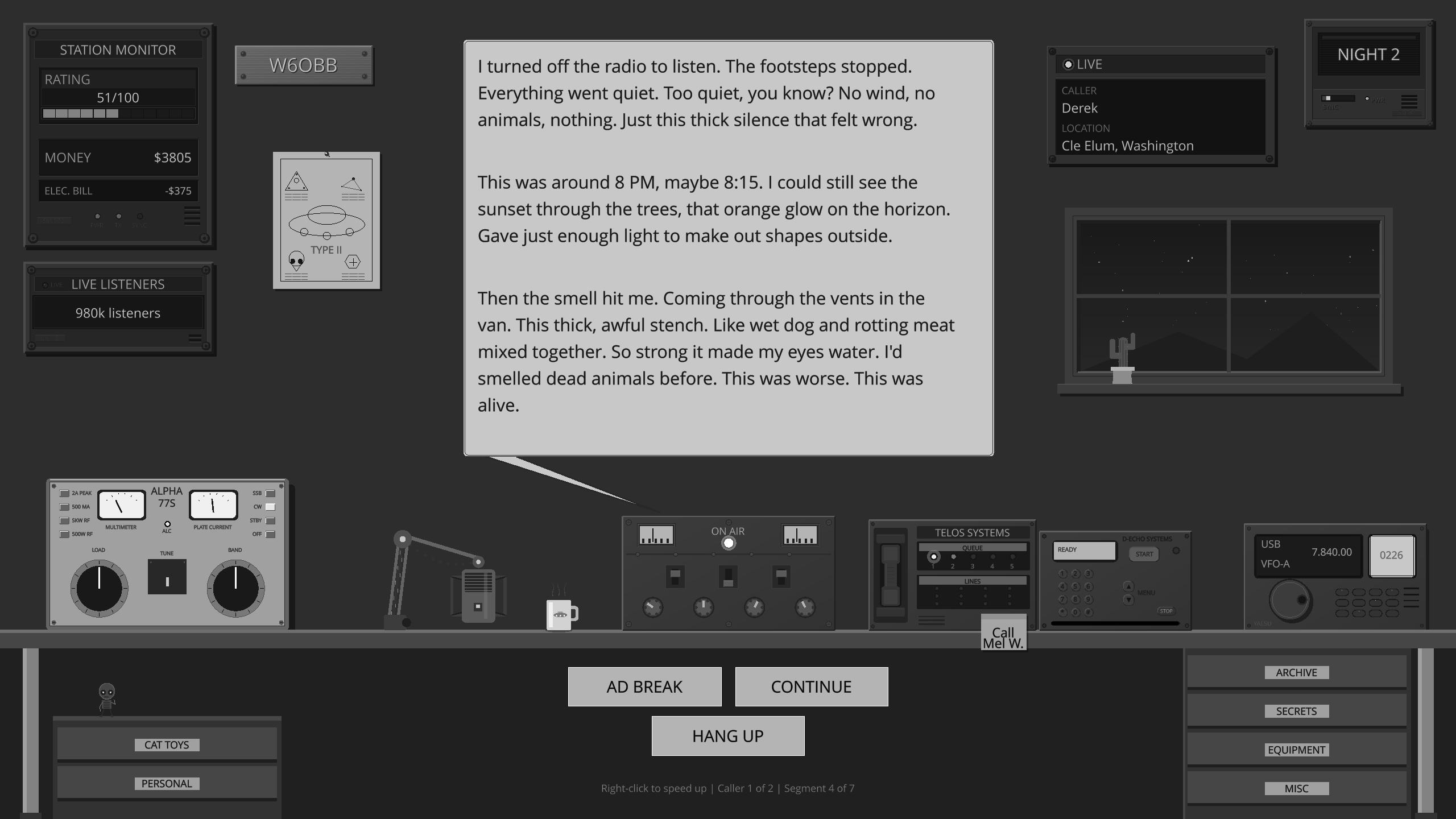
Ever wanted to host your own late-night paranormal radio show?
Across the Airwaves
You're on the air. Callers bring Mothman, Fresno Nightcrawlers, UFO sightings, reptilian autopsies, and whispers about AATIP and Project Blue Book. Every reply shapes how the night goes.

AI-Generated Summary
The FAA analyzed radar data from JAL flight 1628 and concluded that reported 'split images' were technical artifacts known as 'uncorrelated primary and beacon targets' rather than evidence of an anomalous object. The phenomena resulted from timing differences between primary radar returns and transponder signals.
This document consists of a memorandum from the Federal Aviation Administration (FAA) dated February 27, 1987, regarding the radar data associated with Japan Airlines flight 1628 on November 17, 1986. The memorandum serves to transmit an analysis of radar targets, specifically addressing what had been referred to as 'split images' or 'uncorrelated targets' in relation to an alleged UFO sighting reported by the flight crew. The FAA analysis, conducted by Dennis R. Simantel of ZAN-AAL-ARTCC, reviewed approximately 61 minutes of data extracted from the EARTS CDR printouts. The findings concluded that the radar data did not show any abnormalities associated with the pilot's report. Instead, the FAA experts determined that the 'uncorrelated primary and beacon target' phenomena occurred when the radar energy (primary signal) and the aircraft transponder (beacon) signal returned to the receiver at slightly different moments, causing them to appear in different range cells on the radar screen. The document includes technical explanations and diagrams illustrating how this timing discrepancy occurs within the radar equipment, specifically noting that such occurrences are not uncommon and are considered normal for the Murphy dome radar system. The FAA maintained that the controllers acted correctly by working with the information presented on their screens at the time, and that the data from the JAL-1628 flight was representative of normal radar performance in that area.
Review of the data involving this incident did not show any abnormalities that could be associated with any type of target as indicated by the pilot of JAL-1628.
PDF not loading? Download the PDF directly
Official Assessment
The radar data did not show any abnormalities; the 'uncorrelated target' phenomena is a known technical occurrence when primary radar and beacon signals do not match in the same range cell.
The radar returns were consistent with normal system behavior for the Murphy dome radar system. The 'split images' or 'uncorrelated targets' were caused by timing differences between the primary radar return and the aircraft transponder signal.
Key Persons
- Paul SteuckeFAA Public Affairs
- Dennis SimantelAuthor of Analysis of Uncorrelated Primary and Beacon Targets