Declassified UFO / UAP Document
The UFO That Can't Be Explained: JAL Flight 1628
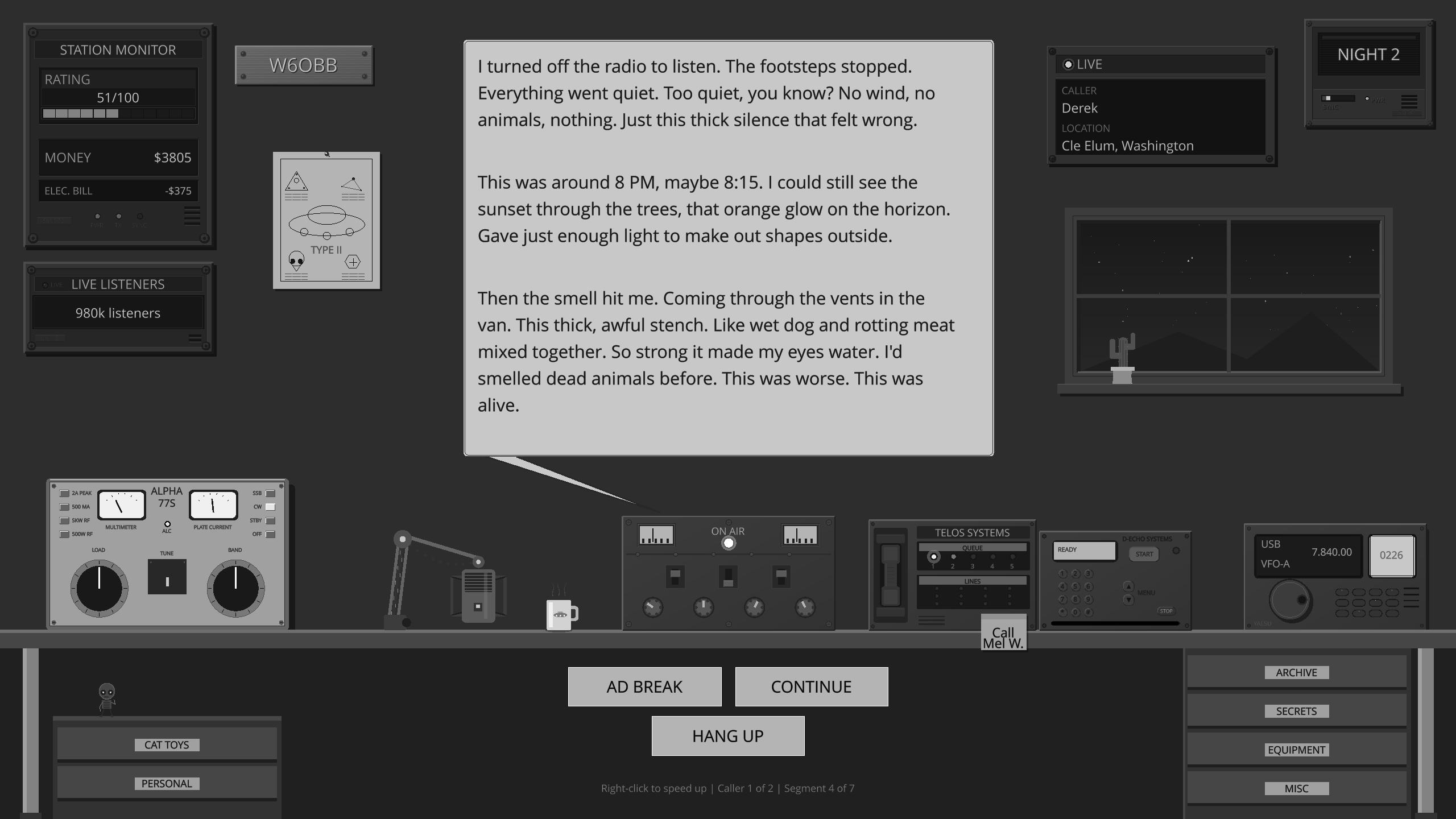
Ever wanted to host your own late-night paranormal radio show?
Across the Airwaves
You're on the air. Callers bring Mothman, Fresno Nightcrawlers, UFO sightings, reptilian autopsies, and whispers about AATIP and Project Blue Book. Every reply shapes how the night goes.

AI-Generated Summary
JAL Flight 1628 reported a UFO encounter over Alaska in 1986, leading to significant media attention and FAA investigation. The FAA concluded the radar data represented 'uncorrelated targets' and declined to conduct further scientific study.
This document compiles reports, internal FAA memoranda, and press coverage regarding the sighting of unidentified aerial phenomena by the crew of Japan Air Lines (JAL) Flight 1628 on November 17, 1986. The flight, a Boeing 747 cargo plane, was traveling from Iceland to Anchorage, Alaska, when the crew reported being shadowed by two unidentified objects for nearly an hour. Captain Kenju Terauchi described the objects as globular, massive, and capable of maneuvers that defied conventional aviation capabilities. The objects were reported to have amber and white lights and were observed both visually and on the aircraft's radar. Ground-based radar at the Anchorage Air Route Traffic Control Center also registered targets in the vicinity of the flight, which were initially thought to be other aircraft. The FAA, led by Public Affairs Officer Paul Steucke, faced intense international media scrutiny following the incident. Internal investigations by FAA experts, including an analysis by Dennis Simantel, concluded that the radar returns were 'uncorrelated primary and beacon targets'—a known electronic phenomenon where the primary radar return and the transponder beacon signal do not align perfectly in the radar computer cell. The FAA maintained that these radar quirks were normal and that the visual sightings were likely misidentifications, though they officially stated they could 'neither confirm nor deny' the presence of other objects. The document highlights the tension between the crew's professional account and the FAA's desire to avoid public hysteria or association with UFO research. Skeptics, such as Philip Klass, proposed that the sightings were misidentifications of planets like Jupiter and Mars, a theory rejected by the flight crew. The document concludes with the FAA's final stance that the incident did not compromise air traffic safety and that no further scientific investigation was warranted.
Two thousand years ago, if a hunter saw a TV, how did he describe it to other people? My experience was similar to this . . . It created many questions that a human being cannot answer.
PDF not loading? Download the PDF directly
Official Assessment
The radar returns were identified as 'uncorrelated primary and beacon targets' or 'split images' caused by radar timing discrepancies.
FAA experts concluded the radar data showed normal system behavior and that the visual sightings were likely atmospheric phenomena or misidentifications, though they could not definitively confirm or deny the presence of other objects.
Witnesses
- Kenju TerauchiCaptainJapan Air Lines
- Takanori TamefujiFirst OfficerJapan Air Lines
- Yoshio TsukubaFlight EngineerJapan Air Lines
Key Persons
- Paul SteuckeFAA Public Affairs Officer
- Carl HenleyAir Traffic Controller
- Dennis R. SimantelFAA Technician
- Philip KlassSkeptical UFO Investigator