Declassified UFO / UAP Document
Project Blue Book UFO Sighting Reports and Correspondence — 1967
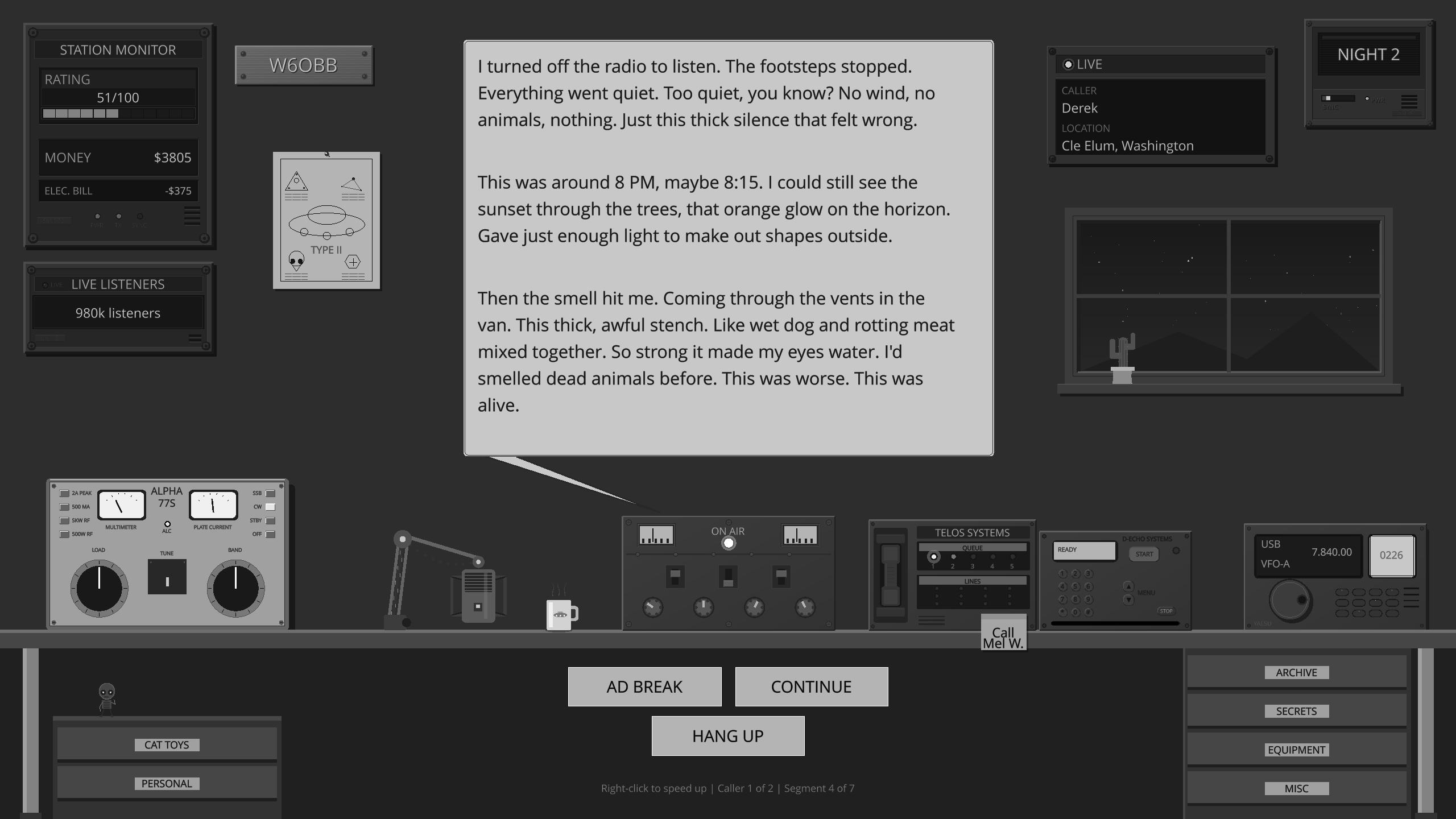
Ever wanted to host your own late-night paranormal radio show?
Across the Airwaves
You're on the air. Callers bring Mothman, Fresno Nightcrawlers, UFO sightings, reptilian autopsies, and whispers about AATIP and Project Blue Book. Every reply shapes how the night goes.

AI-Generated Summary
This document collection contains 1967 UFO sighting reports and Air Force correspondence, showing the administrative process of requesting additional data for scientific evaluation. Many cases were closed due to insufficient data or identified as conventional objects like fireworks or balloons.
This document collection comprises a series of UFO sighting reports, internal Air Force correspondence, and laboratory analysis reports from early 1967, primarily managed by the Foreign Technology Division (FTD) under Project Blue Book. The records detail the Air Force's systematic approach to handling civilian reports of unidentified aerial phenomena. When citizens submitted reports, often using FTD Form 164, the Air Force frequently requested additional information, such as original negatives or physical specimens, to conduct scientific evaluations. Several reports involve the submission of physical material for chemical and metallurgical analysis. For instance, one case involving a citizen in Pennsylvania resulted in an analysis of an inorganic compound, which was determined to be the aftermath of a flare or fireworks display, containing elements like strontium, barium, and potassium. Another report from Redwood City, California, was evaluated as a potential hot air balloon, a common explanation provided by the Air Force for sightings during this period. The correspondence highlights the frustration of Air Force officials, such as Major Hector Quintanilla, Jr., when witnesses failed to provide the necessary data to support a thorough investigation. The documents also include reports from Canadian citizens, which were acknowledged but noted as being outside the primary scope of the U.S. Air Force's investigation. The collection serves as a record of the administrative and scientific processes employed by the U.S. Air Force to categorize and, where possible, explain civilian UFO sightings during the mid-1960s.
It is suspected that the specimen was the aftermath of a flare or fireworks display since the principal chemicals found were strontium and potassium which are major elements of some types of fireworks.
PDF not loading? Download the PDF directly
Official Assessment
Various explanations provided, including hot air balloons, fireworks, and insufficient data.
Most reports were determined to be insufficient for scientific investigation due to lack of data or were identified as conventional objects like balloons or fireworks.
Key Persons
- Hector Quintanilla, Jr.Major, USAF, Chief, Aerial Phenomena Office
- James C. ManattColonel, USAF, Director of Technology and Subsystems