Declassified UFO / UAP Document
Congressional Correspondence on the U.S. Air Force UFO Program
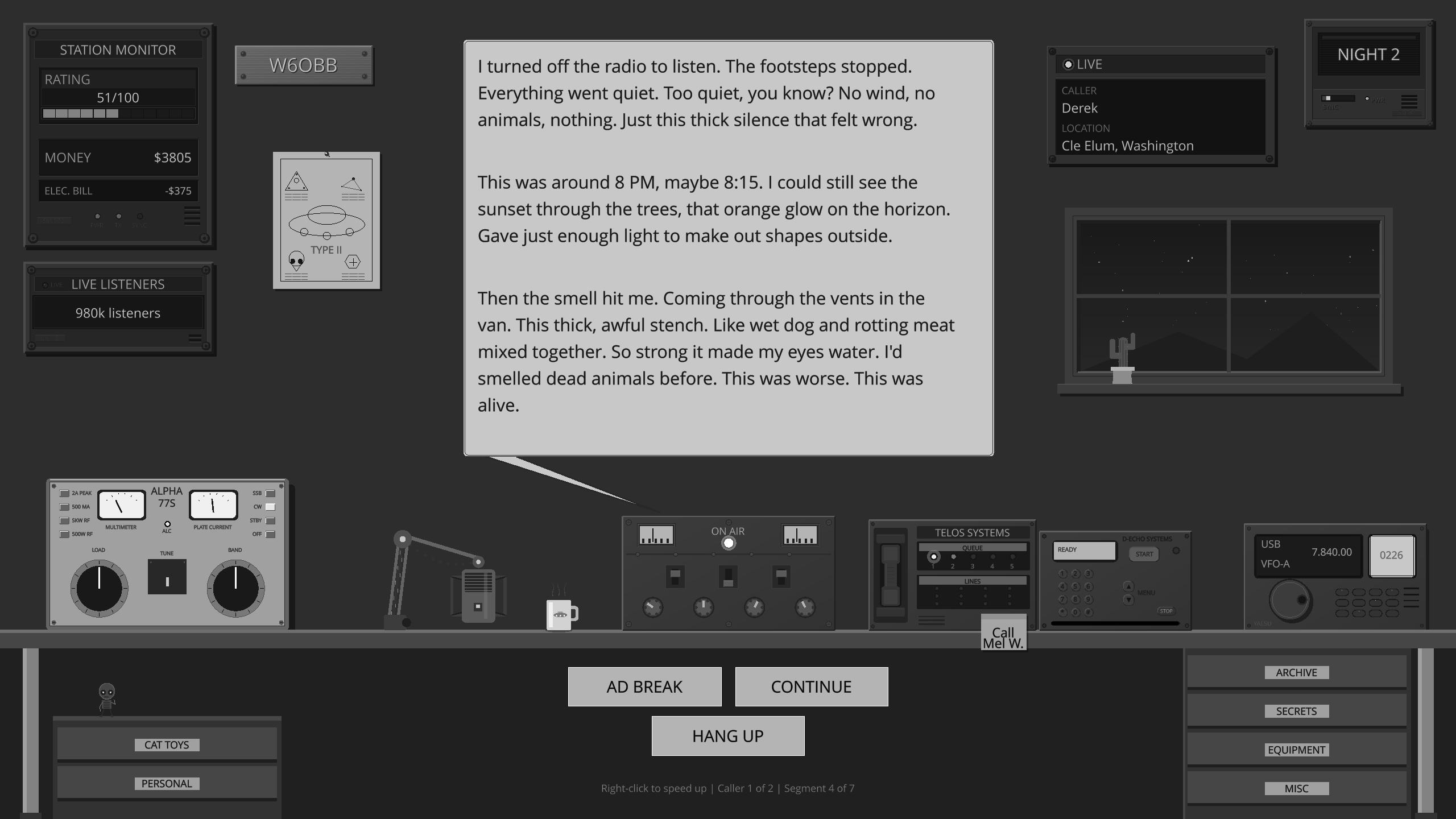
Ever wanted to host your own late-night paranormal radio show?
Across the Airwaves
You're on the air. Callers bring Mothman, Fresno Nightcrawlers, UFO sightings, reptilian autopsies, and whispers about AATIP and Project Blue Book. Every reply shapes how the night goes.
AI-Generated Summary
This document collection details the 1963 Air Force strategy for managing congressional and public inquiries regarding the UFO program, specifically countering efforts by NICAP to force congressional hearings. The Air Force maintains that UFO sightings are largely misidentifications of natural or man-made phenomena and that no evidence exists for interplanetary spacecraft.
This document collection comprises a series of internal Air Force memoranda, correspondence, and staff summary sheets from July and August 1963, primarily originating from the Foreign Technology Division (FTD). The core of the documentation concerns the Air Force's response to inquiries from Congressman Carl Vinson regarding the Unidentified Flying Objects (UFO) program. The correspondence reveals a concerted effort by the Air Force to manage public and congressional perception of the UFO program, specifically in response to pressure from private organizations, most notably the National Investigation Committee on Aerial Phenomena (NICAP), led by Major Donald E. Keyhoe. The Air Force characterizes NICAP's efforts as attempts to discredit the military and force congressional hearings. The documents detail the Air Force's strategy to address these pressures, which includes providing factual briefings to congressional sub-committees, such as those held in 1958 and 1960, and utilizing expert consultants like Dr. J. Allen Hynek to provide authoritative, scientific perspectives on the phenomena. The Air Force maintains that its primary interest is national security and scientific data, asserting that over 90 percent of sightings are misidentifications of common objects like balloons, aircraft, or atmospheric phenomena. The collection also includes specific correspondence regarding a private citizen, Pvt. John P. Speights, who had written multiple letters to the Air Force regarding UFO photographs taken in Salem, Massachusetts, in 1952. The Air Force concluded that these photographs were merely light reflections on a window. The documents emphasize that the Air Force has found no evidence to suggest that UFOs are interplanetary spacecraft and that the program remains unclassified to ensure public transparency. The inclusion of an excerpt from an article by Dr. J. Allen Hynek for the Encyclopaedia Britannica serves as an example of the Air Force's efforts to provide the public with what it considers accurate, scientific information on the subject.
To date no evidence has been found to lead us to even suspect that these objects are interplanetary space ships.
PDF not loading? Download the PDF directly
Official Assessment
The Air Force's principal interest in these objects/phenomena is in determining if they are in any way a threat to our national security or if they are a source of new scientific or technical information.
Better than 90 percent of cases investigated since 1947 have been attributed to the misidentification of familiar objects such as balloons, aircraft, and satellites, and unfamiliar phenomena such as parhelia and mirages.
Key Persons
- John P. SpeightsPrivate (Pvt) who wrote letters requesting information on UFOs
- Donald E. KeyhoeMajor, U.S. Marine Corps (Ret), Director of NICAP
- Carl VinsonCongressman who requested information from the USAF
- J. Allen HynekConsultant to the UFO program, Chairman of the Department of Astronomy at Northwestern University
- Joseph E. KarthCongressman, member of the House Space and Astronautics Committee