Declassified UFO / UAP Document
PROJECT 10073 RECORD CARD — Kindley AFB, Bermuda, 23 September 1958
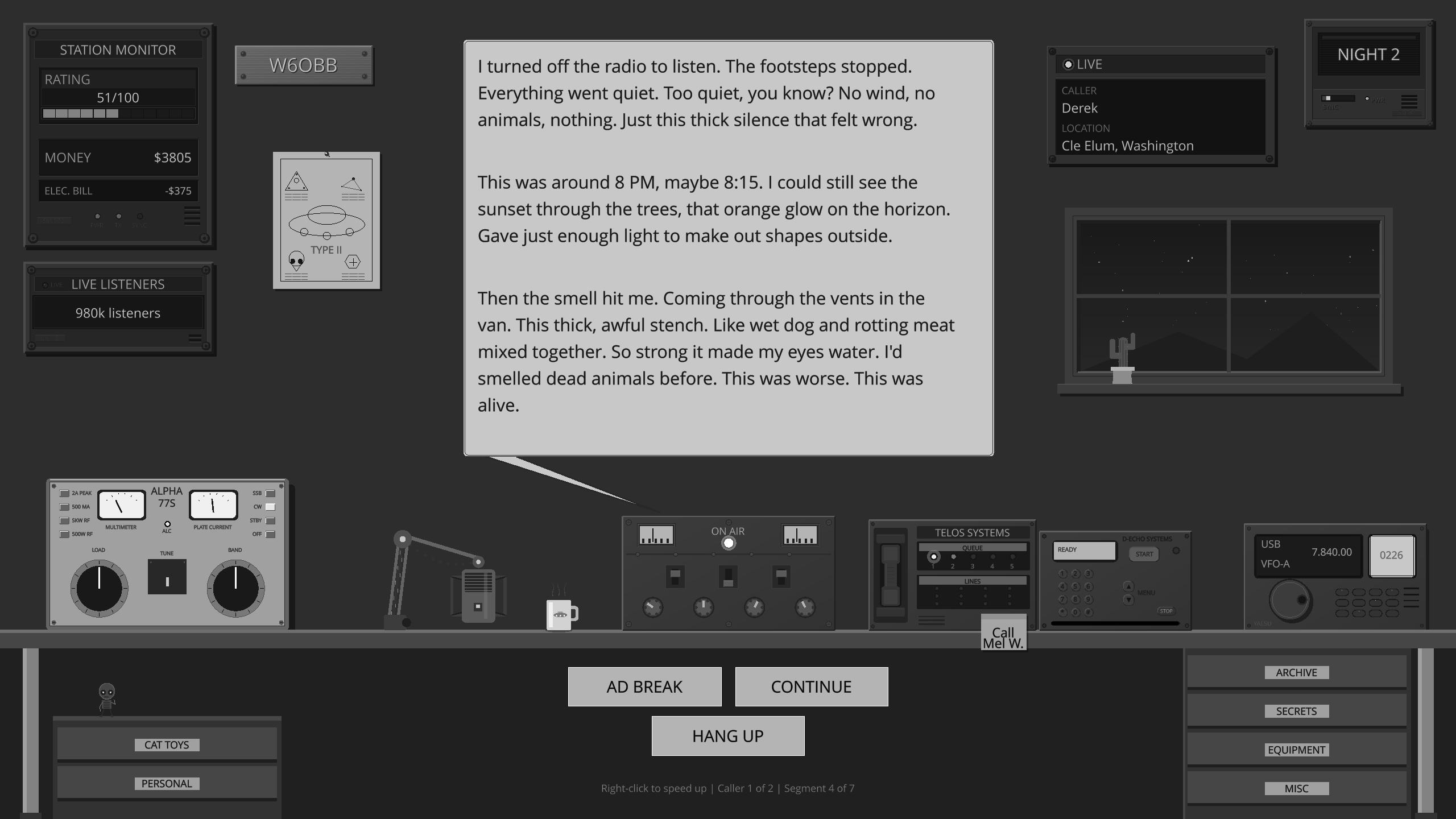
Ever wanted to host your own late-night paranormal radio show?
Across the Airwaves
You're on the air. Callers bring Mothman, Fresno Nightcrawlers, UFO sightings, reptilian autopsies, and whispers about AATIP and Project Blue Book. Every reply shapes how the night goes.

AI-Generated Summary
A 1958 sighting at Kindley AFB involved a visual report of a reddish light and a radar track of an object moving at supersonic speeds. The investigation concluded there was insufficient data to identify the object, suggesting potential radar interference.
On September 23, 1958, at 0420Z, a sighting incident occurred at Kindley Air Force Base in Bermuda. Airman Second Class William E. Sandford, serving as a control tower operator, reported a visual sighting of a reddish light at an altitude of approximately 3,000 to 4,000 feet. Simultaneously, Airman Second Class William L. Stage, acting as a radar operator, tracked an object on the radar scope. The object was described as traveling in several directions at speeds exceeding Mach 1. The radar contact was made four times, though the object eventually faded from the scope, appearing to be either very high or very low. The object was estimated to be a small type of aircraft. Following the incident, aircraft departing Kindley were alerted to the target, but no further sightings were reported by the radar departure controller. The US Navy control tower was also alerted, and an investigation confirmed that the US Navy had no aircraft aloft, nor were any S-33 type aircraft assigned to Kindley in the air at the time. The total duration of the radar observation was estimated at seven to eight minutes, while the visual sighting lasted only one minute. Official records from Project 10073 indicate that the case was closed with the conclusion that there was insufficient information for a proper evaluation. It was suggested that the radar track could have been the result of interference, and investigators noted the discrepancy between the duration of the radar contact and the visual sighting.
Very little info for proper evaluation. Radar track could have been interference.
PDF not loading? Download the PDF directly
Official Assessment
Very little info for proper evaluation. Radar track could have been interference.
The sighting involved a visual observation of a reddish light and a corresponding radar contact. Investigators noted that the radar track may have been caused by interference and that there was insufficient information to make a definitive evaluation.
Witnesses
- William E. SandfordAirman Second ClassKindley Control Tower
- William L. StageAirman Second ClassRadar Operator