Declassified UFO / UAP Document
Project 10073 Record Card — Harlingen AFB, Texas, 7 November 1957
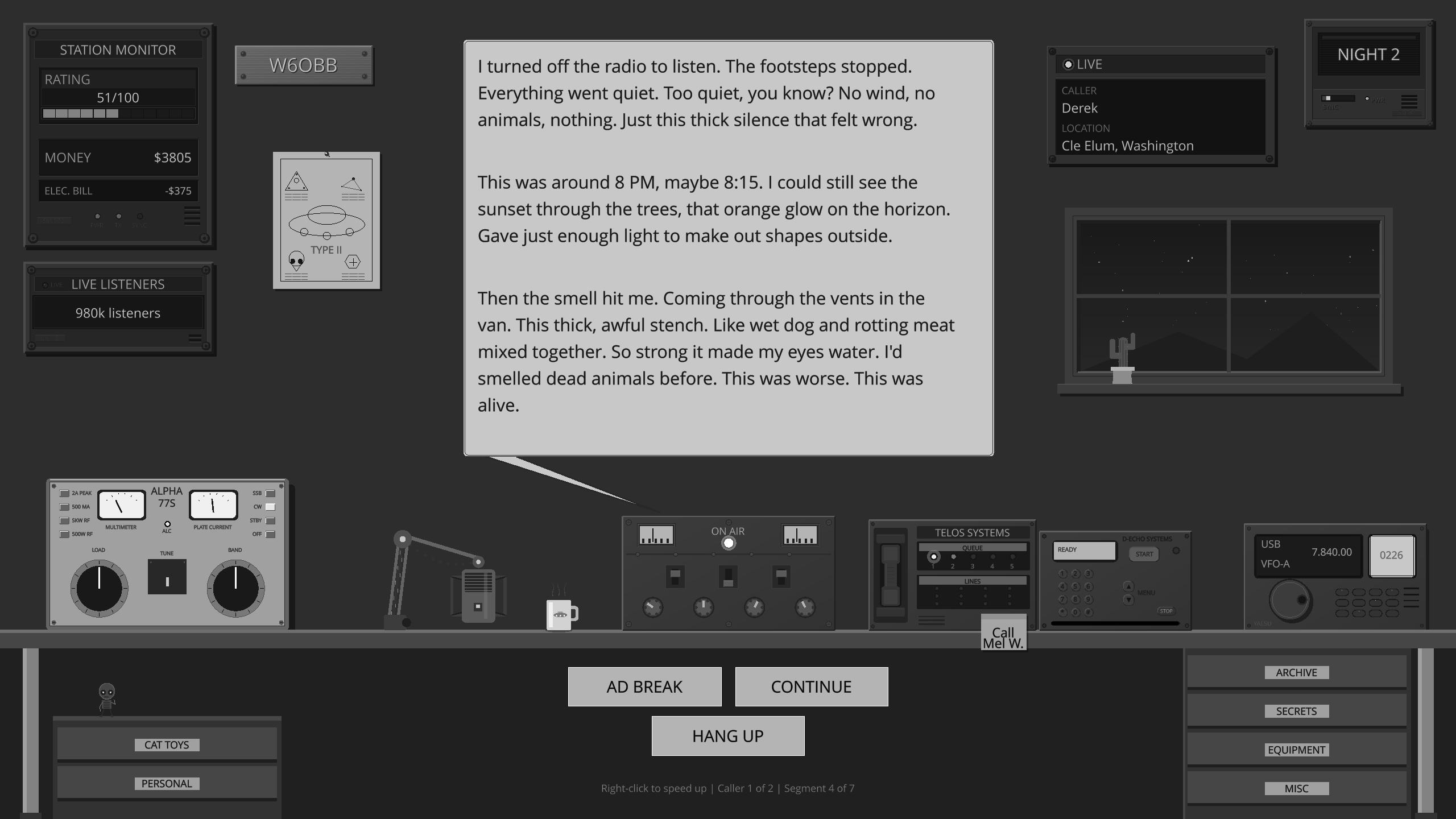
Ever wanted to host your own late-night paranormal radio show?
Across the Airwaves
You're on the air. Callers bring Mothman, Fresno Nightcrawlers, UFO sightings, reptilian autopsies, and whispers about AATIP and Project Blue Book. Every reply shapes how the night goes.

AI-Generated Summary
A 1957 radar sighting at Harlingen AFB was officially attributed to a possible radar malfunction. The document is part of a larger 1959 intelligence review of eleven radar-based UFO reports.
This document collection centers on a Project 10073 record card detailing a radar sighting at Harlingen AFB, Texas, on 7 November 1957. At 1538Z, a radar operator observed a faint target, described as similar to a T-29 aircraft, moving at speeds estimated in excess of 1900 mph. The object's flight path was erratic, moving from the northeast to the west, then reappearing to the southwest before moving east, north, and finally west, disappearing at 15 miles. The observation lasted approximately two to three minutes. The official conclusion reached by the Assistant Wing Operations Officer and concurred with by the Air Force intelligence staff was that the target was not substantiated by any other evidence and that a radar malfunction was a distinct possibility, particularly as the operator was simultaneously managing a traffic pattern. The collection includes subsequent correspondence from 1959, where Colonel Gordon C. Hoffman of AFCIN-4E1 provides analysis for eleven different UFO reports. Regarding the Harlingen incident (Inclosure #1), the analysis reiterates that the faint target was likely a radar malfunction. The broader correspondence highlights that radar-based UFO reports had increased significantly in the six months leading up to early 1958, prompting the Air Sciences Division to suggest that the office obtain the services of an electronics specialist or consultant to better evaluate these technical reports. Other enclosures in the collection are briefly addressed, with various explanations offered for other sightings, including unidentified aircraft, large birds, weather phenomena, or anomalous propagation. The documents reflect the military's systematic, albeit skeptical, approach to evaluating radar-based UAP reports during the late 1950s, emphasizing the need for technical verification and the identification of potential equipment errors.
This office concurs that a radar malfunction was possible.
PDF not loading? Download the PDF directly
Official Assessment
This office concurs that a radar malfunction was possible.
The target was not substantiated by any other evidence and appeared while the operator was working an aircraft in a traffic pattern. The Assistant Wing Operations Officer indicated a possibility of radar malfunction.
Witnesses
- [illegible]A/2CAACS Detachment Radar Repairman
Key Persons
- W. PicklesimerAnalyst