Declassified UFO / UAP Document
New AFCIN-4 Plan on UFOBs
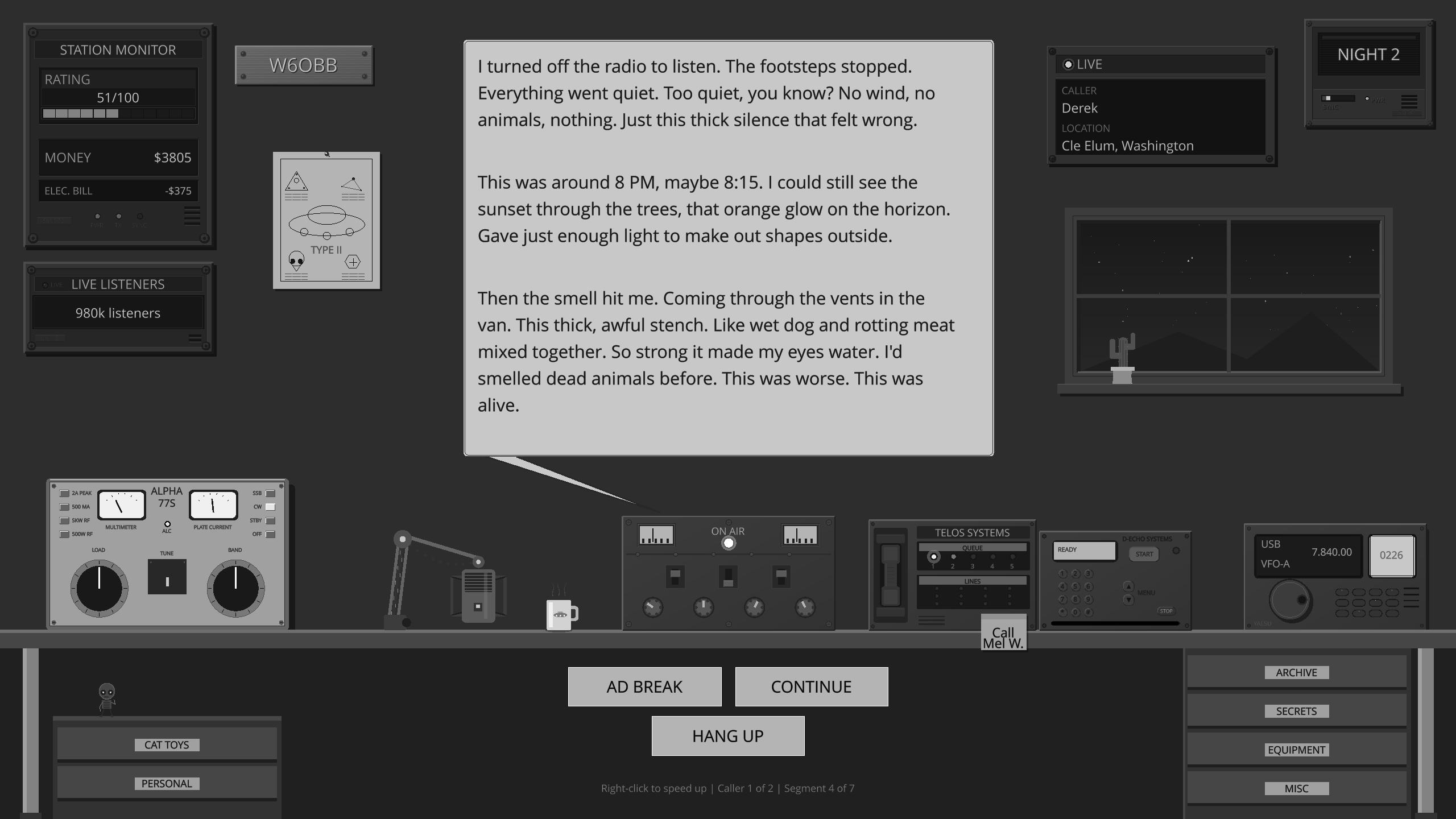
Ever wanted to host your own late-night paranormal radio show?
Across the Airwaves
You're on the air. Callers bring Mothman, Fresno Nightcrawlers, UFO sightings, reptilian autopsies, and whispers about AATIP and Project Blue Book. Every reply shapes how the night goes.

AI-Generated Summary
This document outlines the 1957-1958 restructuring of the Air Force UFO program, shifting investigative duties to base commanders and centralizing public relations under SAFIS to minimize public scrutiny. It notes a decline in UFO interest following the launch of Sputnik I.
This collection of correspondence and cover sheets details the administrative restructuring of the United States Air Force's management of Unidentified Flying Objects (UFOs) between May 1957 and February 1958. The primary objective of the documents is to finalize the revision of Air Force Regulation (AFR) 200-2, which aimed to streamline the UFO program and reduce the administrative burden on intelligence offices, specifically AFOIN-4. The documents reflect a strategic shift in policy: the Air Force sought to decentralize the investigative process by making individual Air Force base commanders responsible for initial investigations, while limiting the participation of the Air Defense Command (ADC) to cases involving potentially hostile vehicles. Furthermore, the Air Force moved to divorce itself from direct public relations regarding UFOs, delegating all inquiries from the press and public to the Secretary of the Air Force Office of Information Services (SAFIS). The authors express concern that previous Air Force communications regarding UFOs were susceptible to misinterpretation or could be used to suggest that the Air Force was attempting to deceive the public. Consequently, the revised regulation was carefully scrubbed of any language that might provoke suspicion or suggest an unfavorable change in policy. The documents also highlight the Air Force's efforts to manage congressional interest, specifically regarding a request for 'open hearings' by the Senate Government Operations Sub-Committee. Through coordination with figures such as Dr. H. P. Robertson and representatives from SAFRD and SAFIS, the Air Force successfully persuaded the committee that such hearings were not in the best interest of the service. By early 1958, the Air Force concluded that the 'UFO hysteria' had subsided, noting a dramatic reduction in public inquiries following the launch of Sputnik I. The documents suggest that the Air Force believed public interest would naturally shift toward space exploration, effectively rendering the UFO program a matter of routine administration rather than a high-priority intelligence concern. The correspondence concludes with recommendations to brief General Lewis on these realignments and to maintain a watchful eye on misrouted communications to ensure adherence to the new, more orderly procedures.
In every instance where by inference the Air Force might appear critical of or attempt to deceive the public, the text has been removed or altered.
PDF not loading? Download the PDF directly
Official Assessment
The Air Force UFO project is to be conducted in an orderly manner, with responsibility for investigations decentralized to base commanders, and public relations handled by SAFIS.
The Air Force sought to minimize public interest in UFOs by revising regulations to remove potentially misleading or critical language, delegating investigative responsibilities to local base commanders, and centralizing public relations through SAFIS to reduce the burden on intelligence offices.
Key Persons
- General LewisRecipient of briefings
- Colonel John D. NottinghamSpecial Assistant to General Everest
- General EverestGeneral
- Major TackerSAFIS representative
- Mr. O'DonnelActing Chief Council
- Mr. HornerSAFRD representative
- Dr. H. P. RobertsonChairman of the 1953 UFO Scientific Panel
- Mr. HealyPermanent investigator of the sub-committee
- General KellyGeneral
- Mr. SandersonStaff member