Declassified UFO / UAP Document
Project 10073 Record Card and Air Intelligence Information Report — Duluth, Minnesota, 13 May 1955
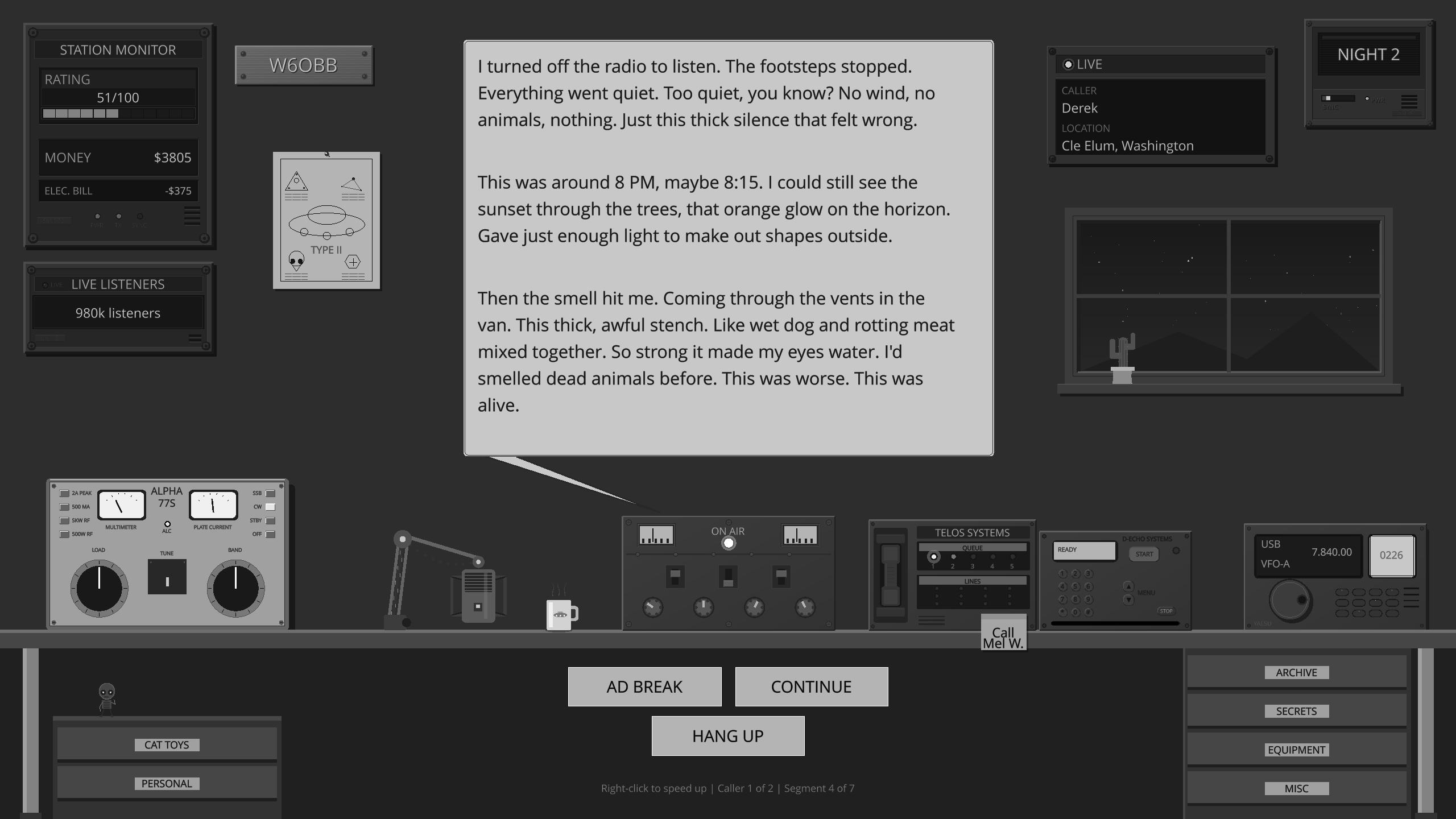
Ever wanted to host your own late-night paranormal radio show?
Across the Airwaves
You're on the air. Callers bring Mothman, Fresno Nightcrawlers, UFO sightings, reptilian autopsies, and whispers about AATIP and Project Blue Book. Every reply shapes how the night goes.

AI-Generated Summary
An F-89D interceptor crew reported a radar-only UAP sighting near Duluth, Minnesota, on May 13, 1955. Technical analysis by the Weapons Guidance Laboratory suggested the event was likely an aircraft or a radar system malfunction.
This document details an Unidentified Aerial Phenomena (UAP) sighting reported by two Air Force pilots from the 11th Fighter Interceptor Squadron on May 13, 1955, near Duluth, Minnesota. While on a routine night training mission, the crew of an F-89D aircraft detected an unidentified target on their radar. The target was initially picked up at 15 miles, 45 degrees starboard. The pilots reported that the object performed complex maneuvers, including a tight turn to starboard, and at one point appeared as a stationary return on the radar scope. The pilots estimated the target's speed to be over 1,000 knots at an altitude of 26,000 feet. The sighting lasted approximately 4 to 5 minutes. Following the report, the Air Technical Intelligence Center requested additional information to determine if the radar return was steady or intermittent; the crew confirmed it was steady for the duration of the scope coverage. The Weapons Guidance Laboratory conducted an evaluation of the intercept data. They concluded that the target could have been an aircraft with performance characteristics similar to modern jets. Alternatively, they proposed that the radar system may have 'jumped lock' due to a slight misalignment, which could have caused the radar to display a false return that the Radar Observer interpreted as a target. They also noted that the pilots' fire control system was not designed to accurately measure the high opening range rates reported, casting doubt on the 1,000-knot speed estimate. The incident was ultimately evaluated as 'possibly aircraft.'
Another possible explanation of the reported speed of the target as it went out in range is that the interceptors radar jumped lock.
PDF not loading? Download the PDF directly
Official Assessment
Evaluated as possibly aircraft.
The Weapons Guidance Laboratory suggested the target could have been an aircraft of similar performance to modern jet aircraft, or that the radar had 'jumped lock' during the intercept, creating a false return.
Witnesses
- Middleton, Charles M.1/Lt.11th FIS
- Fisher, Donald G.2/Lt.11th FIS
Key Persons
- William D. JonesLt. Colonel, USAF, Chief, Fighter Systems Branch, Weapons Guidance Laboratory
- Mary L. Storm1st Lt. USAF, Assistant Adjutant
- Robert H. BjorklundCapt., Adjutant
- Carlton L. Nelson2nd Lt., USAF, Adjutant