Declassified UFO / UAP Document
Project 10073 Record Card and Air Intelligence Information Report — Sylacauga, Alabama Meteorite Incident
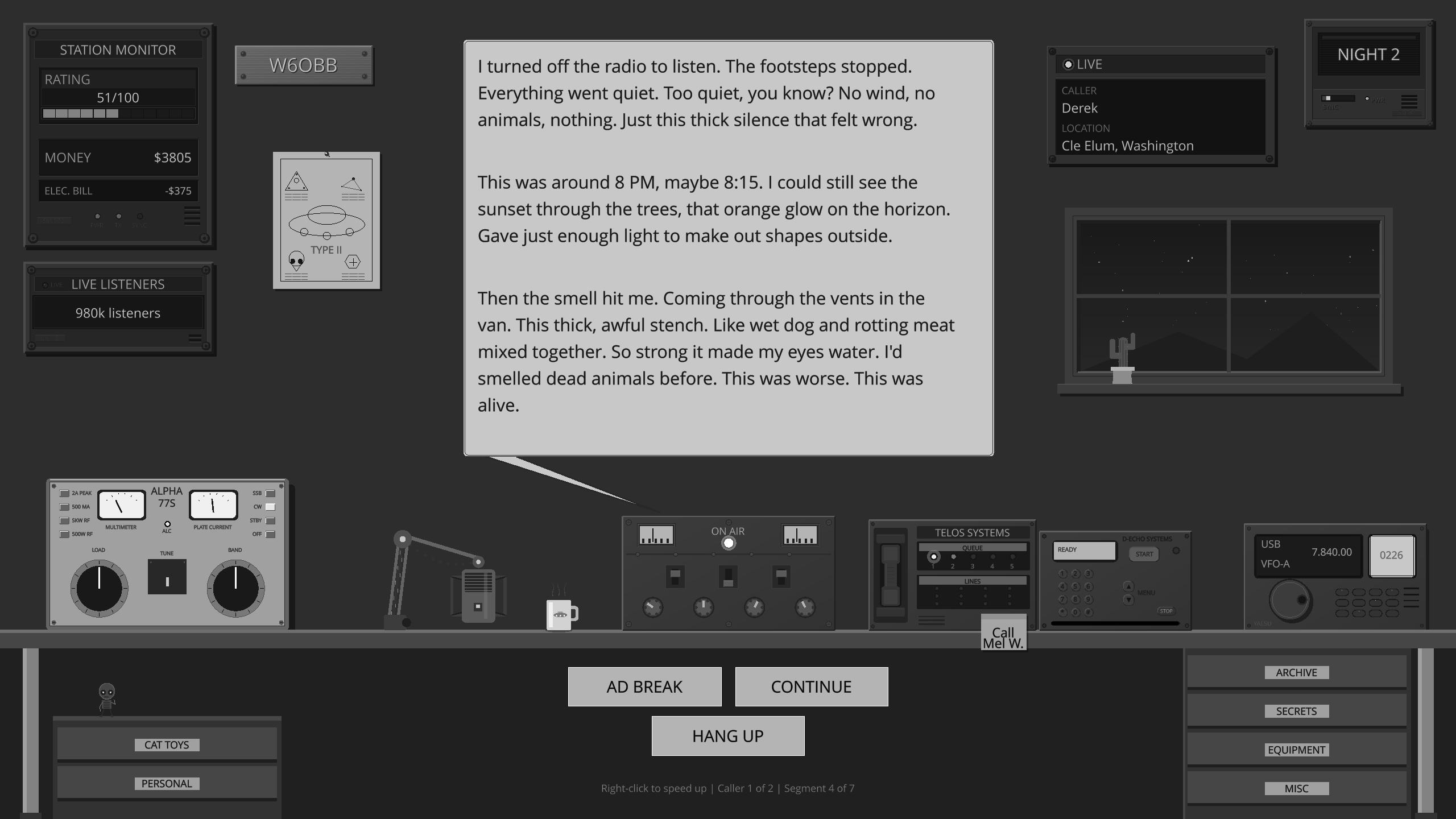
Ever wanted to host your own late-night paranormal radio show?
Across the Airwaves
You're on the air. Callers bring Mothman, Fresno Nightcrawlers, UFO sightings, reptilian autopsies, and whispers about AATIP and Project Blue Book. Every reply shapes how the night goes.

AI-Generated Summary
On 30 November 1954, a meteorite struck a home in Sylacauga, Alabama, injuring a civilian. The Air Force recovered the object, identified it as a meteorite, and eventually transferred it to the Smithsonian Institute for study.
This document is a comprehensive Report of Investigation concerning a series of aerial events on 30 November 1954, which culminated in a meteorite striking a residence in Sylacauga, Alabama. The investigation, conducted by the Office of Special Investigations (OSI), was initiated following numerous reports of aerial explosions and unidentified flying objects across Alabama, Georgia, and Mississippi. At approximately 1350 hours, a large object, later identified as a meteorite, crashed through the roof of the home of Mrs. Hewlett Hodges, striking her and causing minor injuries. The object was described as a black or charcoal-colored rock, weighing approximately nine pounds. Witnesses in the region reported seeing a bright flash, a long white firey tail, and a soundless explosion at an estimated altitude of 45,000 to 50,000 feet. The Air Force, specifically the 48th Air Rescue Squadron, dispatched helicopters to the scene to recover the object. The meteorite was initially examined by Geiger counters, showing no radioactivity, and subsequently by geologists, including Dr. Frederick K. Morris and George Swindle, who identified it as a stone meteorite or earthly peridotite. The object was eventually transferred to the Air Technical Intelligence Center (ATIC) at Wright-Patterson AFB for further analysis. The report details the coordination between various military units, including the 4602nd Air Intelligence Service Squadron and the Air Defense Command, to manage the situation and address the significant public and media interest. The investigation also notes the legal and public relations challenges faced by the Air Force, as the husband of the victim sought to regain possession of the meteorite. Ultimately, the Air Force coordinated with the Smithsonian Institute to facilitate the study of the object, with plans for it to be returned to the owner via a Congressional representative. The document includes logs from the 48th Air Rescue Squadron, which track the rapid response to the reported explosions and the subsequent recovery efforts. The final evaluation by Dr. L.V. Robinson concluded that the object was a meteorite, likely associated with the Andromid meteor shower. The report emphasizes that the incident was a natural phenomenon, despite the initial confusion and the high volume of reports of 'unidentified flying objects' in the area at the time.
The object was definitely a meteorite.
PDF not loading? Download the PDF directly
Official Assessment
The object was definitely a meteorite.
The object was identified by experts as a stone meteorite or earthly peridotite, specifically a sulphide meteorite.
Witnesses
- Mrs. Hewlett HodgesCivilian
- Capt. Haynes N. HunterCaptainMaxwell Flight Service Center
Key Persons
- Edward J. HowardMayor of Sylacauga
- W. D. AshcraftChief of Police, Sylacauga
- Dr. Frederick K. MorrisGeologist, Research Studies Institute
- George SwindleField representative, U.S. Geological Survey