Declassified UFO / UAP Document
Project 10073 Record Cards and Related Correspondence
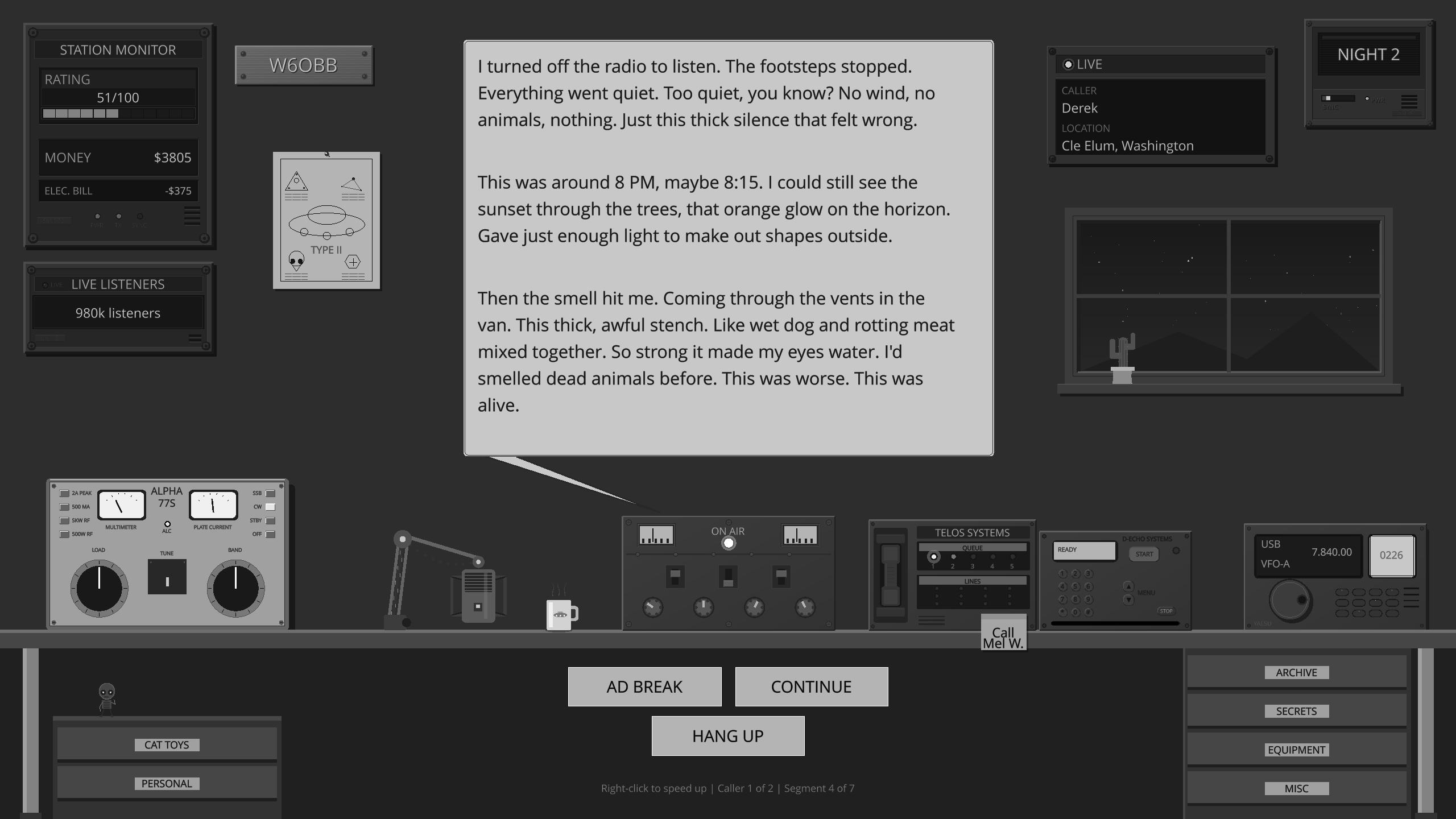
Ever wanted to host your own late-night paranormal radio show?
Across the Airwaves
You're on the air. Callers bring Mothman, Fresno Nightcrawlers, UFO sightings, reptilian autopsies, and whispers about AATIP and Project Blue Book. Every reply shapes how the night goes.

AI-Generated Summary
This document contains a series of Air Force intelligence reports and correspondence from 1952 regarding various UAP sightings, including radar contacts and a notable case involving an immobilized vehicle in Maryland. The reports reflect the military's efforts to investigate these incidents, often concluding with skepticism or attributing them to technical or atmospheric factors.
This document is a compilation of Project 10073 records, correspondence, and intelligence reports from March and May 1952 concerning various Unidentified Aerial Phenomena (UAP) sightings across the United States. The reports detail multiple incidents, including radar contacts and visual sightings by military and civilian personnel. One significant incident involves a witness near Baltimore, Maryland, who reported a large, disk-shaped object that hovered over their vehicle, causing the engine to stall and leaving the metal parts of the car magnetized. This specific case was investigated by the Office of Special Investigations (OSI), which interviewed the witness and others in the area. The investigation included checks with local police and the FBI, ultimately finding no corroborating evidence for the witness's claims, with some officials suggesting the story was a fabrication or hallucination. Other reports in the document include radar sightings by B-50 and B-29 crews, where radar observers initially estimated high speeds of closure but later revised their assessments, suggesting the blips might be electronic phenomena or reflections of their own aircraft. Another report from the 4704th Defense Wing describes a 'ball of fire' observed by an F-94 pilot near Yakima, Washington, which was tracked by ground radar and appeared to drift with the wind. The document includes various administrative forms, such as Project 10073 Record Cards, Air Intelligence Information Reports, and internal Air Force correspondence, reflecting the military's systematic, albeit often skeptical, approach to documenting and evaluating these reports. The records highlight the challenges of distinguishing between genuine unidentified phenomena, equipment malfunctions, and human error or fabrication. The correspondence between various commands, including the Strategic Air Command and the Air Technical Intelligence Center, underscores the inter-agency coordination involved in these investigations. The document concludes with administrative notes regarding the status of investigations and the potential for further inquiry into specific cases, such as the Baltimore sighting, which remained a point of interest for the Air Force intelligence officers.
The Radar Observer that the blip was an electronic phenomenon reflecting 180 out of phase the image of the lead aircraft.
PDF not loading? Download the PDF directly
Official Assessment
Unidentified radar returns, possibly unidentified conventional aircraft, or electronic phenomena.
Several sightings were investigated, including radar returns and visual observations. Some were attributed to electronic phenomena or weather, while others remained unidentified.
Witnesses
Key Persons
- Lou CorbinRadio station announcer and witness interviewer
- James F. McClellandRadar Observer